
In the intricate world of spinal surgery, precision and clear visibility are not just goals; they are absolute necessities. Neurosurgeons and orthopedic specialists performing delicate procedures on the cervical spine rely on a host of advanced tools to ensure patient safety and achieve successful outcomes. Among the most vital of these are cervical retractor surgical instruments, which are engineered to provide unobstructed access to the surgical site while protecting surrounding delicate tissues. Understanding the function and design of these instruments reveals the depth of innovation driving modern medical technology.
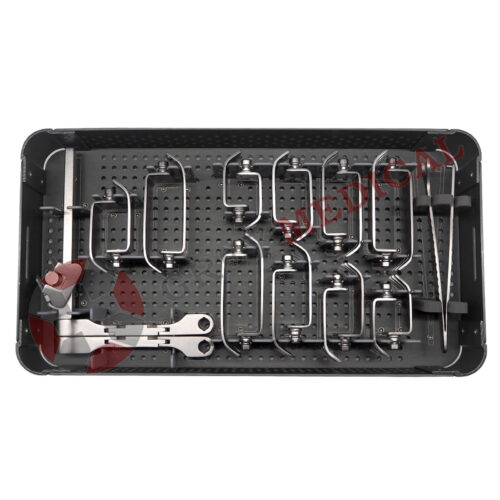
Designing for Precision in Spinal Surgery
A retractor system used in anterior cervical discectomy and fusion (ACDF) or other neck surgeries is far more than a simple tool. It is a complex assembly designed for stability, versatility, and minimal tissue trauma. Companies like GreyMedical® focus on developing systems that offer surgeons superior control. These instruments must gently hold back muscles, vessels, and the esophagus, creating a safe and clear corridor to the cervical vertebrae. The design often incorporates blades of various lengths and shapes, allowing for a customized fit for each patient’s unique anatomy. The ability to securely anchor the device and make micro-adjustments during the procedure is paramount for maintaining a stable surgical field from the initial incision to the final closure.
The materials used in crafting these instruments are chosen for their strength, durability, and biocompatibility. Surgical-grade stainless steel and radiolucent materials like aluminum or carbon fiber are common. Radiolucent options are particularly valuable as they do not interfere with intraoperative imaging, such as X-rays, giving the surgical team a real-time view of the spine without the instruments causing visual obstruction. This focus on material science highlights the commitment to enhancing surgical workflow and improving patient results. The evolution of the cervical retractor is a testament to this continuous pursuit of excellence.
Enhancing Surgical Access and Patient Safety
The primary function of a cervical retractor is to provide and maintain exposure of the anterior cervical spine. Without it, the surgeon’s view would be constantly impeded, increasing the risk of iatrogenic injury to critical structures like the carotid artery, recurrent laryngeal nerve, or esophagus. By establishing a protected channel, these retractors allow surgeons to work with confidence and precision. Modern systems are designed to distribute pressure evenly, reducing the risk of tissue ischemia or nerve damage that could result from prolonged or excessive retraction.
Furthermore, the sophisticated engineering behind a high-quality cervical retractor system contributes significantly to procedural efficiency. Quick setup, easy adjustment, and reliable stability mean less time is spent managing the surgical field and more time is dedicated to the primary objective of the surgery, such as removing a herniated disc or placing a spinal implant. This efficiency can lead to shorter anesthesia times and a smoother overall procedure, which are important factors in promoting better patient recovery. The thoughtful design of these tools directly impacts the safety and effectiveness of complex spinal operations.
The GreyMedical® Commitment to Surgical Excellence
For a medical technology company like GreyMedical®, the development of surgical instruments is a craft rooted in a deep understanding of the surgeon’s needs. Creating a superior cervical retractor involves more than just manufacturing; it requires a dedication to innovation and an unwavering commitment to quality. Each component is meticulously designed and tested to perform flawlessly under the demanding conditions of the operating room. This dedication ensures that when a surgeon uses a GreyMedical® instrument, they are equipped with a tool that enhances their skill and supports the best possible outcome for their patient.
Conclusion
Cervical retractor surgical instruments are indispensable in the field of spinal surgery. They are the unsung heroes that provide the access and visibility necessary for surgeons to perform incredibly delicate procedures with the highest degree of safety and precision. Through continuous innovation in design, materials, and functionality, companies like GreyMedical® empower surgical teams to restore patient health and mobility. The craft of creating these instruments is a critical component of advancing surgical care and underscores the profound impact that well-designed tools have on the landscape of modern medicine.

