
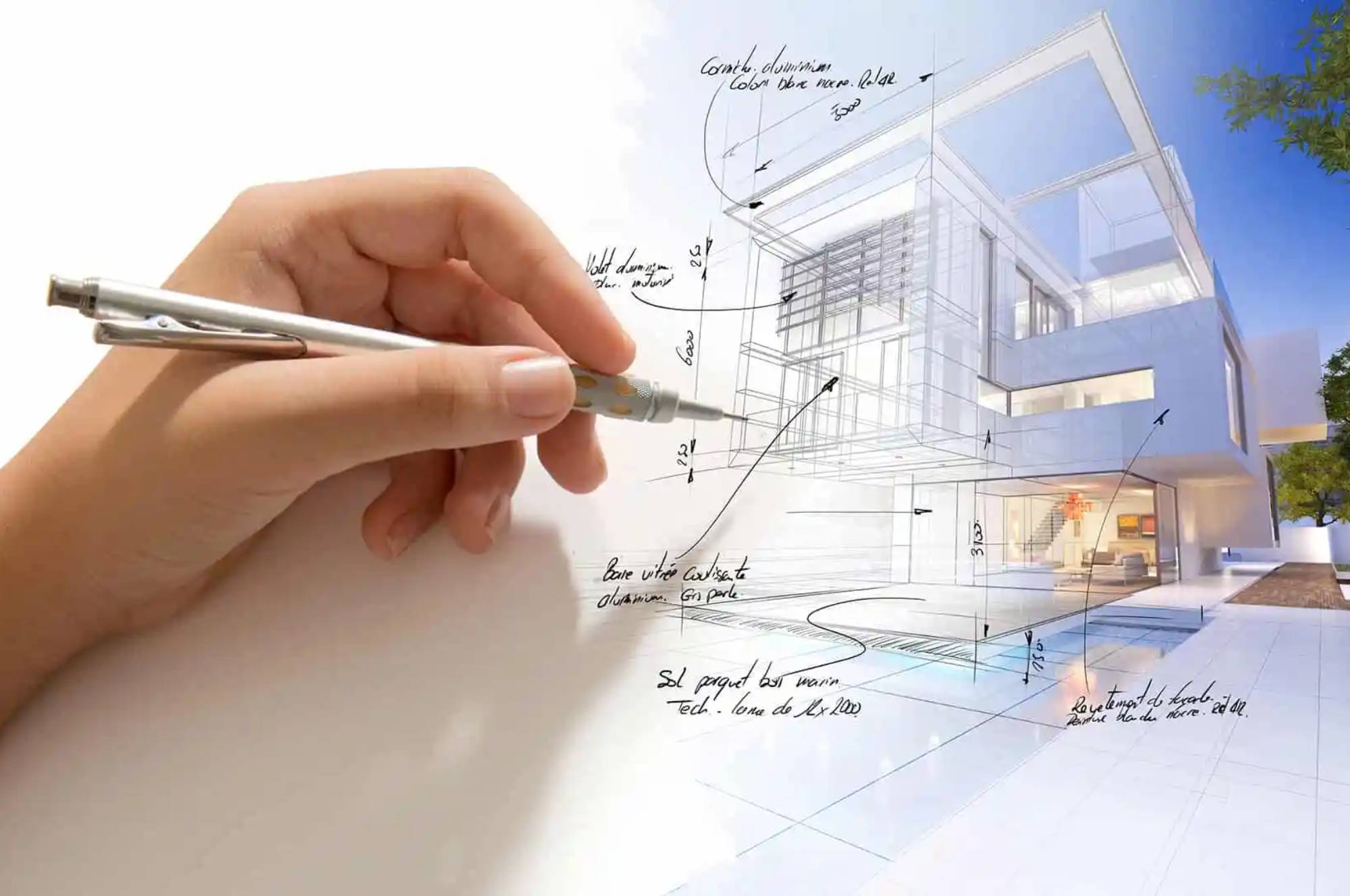
Los Angeles, CA, is a city of dynamic growth, diverse neighborhoods, and architectural innovation. Planning & architecture in LA requires a careful blend of creativity, functionality, and adherence to city regulations. From urban housing projects to commercial developments, understanding the principles of planning and architecture can help create spaces that are not only beautiful but also sustainable and practical.
In this guide, we’ll explore the unique aspects of planning and architecture in Los Angeles, examine innovative trends, and provide actionable insights for homeowners, developers, and enthusiasts.
What is Planning & Architecture?
Planning & architecture involves the strategic design and organization of built environments. It combines urban planning principles, architectural design, engineering, and sustainable practices to create functional and visually appealing structures.
Key components include:
- Urban Planning: Zoning, land use, infrastructure, and community layout
- Architectural Design: Aesthetics, building materials, spatial functionality
- Sustainability: Energy efficiency, green materials, and eco-conscious design
- Regulations & Compliance: Building codes, environmental restrictions, and permits
In Los Angeles, these factors are particularly significant due to the city’s diverse landscapes, high population density, and environmental considerations.
Why Planning & Architecture is Critical in Los Angeles
Los Angeles presents unique challenges and opportunities for planners and architects:
- Urban Density: LA’s neighborhoods vary from sprawling suburbs to dense urban cores. Planning must optimize space while maintaining livability.
- Seismic Activity: Buildings must comply with strict earthquake-resistant design codes.
- Sustainability: With California’s environmental standards, green architecture is increasingly important.
- Cultural Identity: Architecture should respect LA’s diverse cultural and historical influences.
Types of Planning & Architecture Projects in Los Angeles
There are various planning and architecture projects prevalent in LA, ranging from residential to commercial and civic developments.
| Project Type | Description | Key Considerations |
| Residential Design | Single-family homes, townhouses, luxury apartments | Space utilization, aesthetics, sustainability |
| Commercial Architecture | Office buildings, retail spaces, mixed-use developments | Accessibility, branding, functionality |
| Urban Planning Projects | Neighborhood layouts, streetscapes, parks, public spaces | Traffic flow, community needs, zoning regulations |
| Civic & Institutional Design | Schools, hospitals, government buildings | Safety, compliance, public accessibility |
| Green & Sustainable Projects | Eco-friendly homes, LEED-certified buildings | Energy efficiency, sustainable materials, water conservation |
Principles of Effective Planning & Architecture in Los Angeles
Effective planning & architecture combines functionality, aesthetics, and sustainability. Key principles include:
1. Contextual Design
Designs must respect the surrounding environment, community culture, and urban context. For example, a home in Hollywood Hills might focus on panoramic views, while a downtown office building emphasizes efficiency and public access.
2. Sustainability
Green design is no longer optional in Los Angeles. Architects use:
- Solar panels and energy-efficient systems
- Rainwater harvesting and drought-resistant landscaping
- Sustainable, recycled, or locally sourced materials
3. Flexibility & Adaptability
Spaces should accommodate evolving needs, such as multi-functional rooms or adaptable office layouts.
4. Safety & Compliance
All structures in LA must adhere to local building codes, including earthquake-resistant standards and fire safety regulations.
5. Innovation & Aesthetic Appeal
LA is a hub of architectural innovation. Combining cutting-edge materials, modern design trends, and technology integration helps structures stand out while maintaining functionality.
Modern Trends in Los Angeles Architecture
Los Angeles is a trendsetter in modern architecture. Some notable trends include:
- Minimalist Design: Clean lines, open spaces, neutral color palettes
- Smart Buildings: Integrated IoT systems for energy, security, and convenience
- Adaptive Reuse Projects: Converting old warehouses or commercial buildings into lofts or creative spaces
- Biophilic Design: Incorporating natural elements like greenery, sunlight, and water features to enhance wellbeing
- Mixed-Use Development: Combining residential, commercial, and recreational spaces in one project
Planning & Architecture vs Traditional Construction
| Feature | Planning & Architecture | Traditional Construction |
| Focus | Design, functionality, sustainability | Building execution only |
| Sustainability | High priority | Often limited |
| Cost Planning | Integrated into project early | May not be prioritized until later |
| Compliance & Safety | Core consideration | May require retrofitting |
| Flexibility & Adaptability | Built-in | Limited |
| Innovation | Emphasized | Often conventional |
This comparison highlights why planning & architecture is essential for modern Los Angeles developments, balancing design, sustainability, and practicality.
Role of Technology in Planning & Architecture
Modern architecture relies heavily on technology:
- Building Information Modeling (BIM): Creates 3D digital representations of structures for better planning and collaboration.
- Virtual Reality (VR) & Augmented Reality (AR): Helps clients visualize projects before construction begins.
- Simulation Software: Analyzes energy efficiency, airflow, and structural integrity.
- Smart Construction Tools: Drones, laser scanning, and 3D printing improve accuracy and reduce errors.
Choosing the Right Planning & Architecture Partner in Los Angeles
Selecting the right professional is critical for a successful project. Look for:
- Experience: Proven expertise in residential, commercial, or urban projects
- Portfolio: Past projects showcasing design quality and innovation
- Local Knowledge: Familiarity with LA regulations, permits, and neighborhood nuances
- Sustainability Expertise: Ability to integrate green architecture principles
Cost Considerations for Planning & Architecture in Los Angeles
The cost of planning & architecture depends on:
- Project scope: Residential vs commercial vs urban planning
- Complexity: Custom designs vs standardized solutions
- Sustainability features: LEED certification, energy-efficient systems
- Technology integration: BIM, smart building solutions
| Project Type | Average Planning & Architecture Cost (LA) |
| Residential Home | $20,000 – $75,000 |
| Commercial Building | $50,000 – $250,000 |
| Urban Planning Development | $100,000 – $500,000+ |
| Sustainable/Green Project | +10–30% over standard project costs |
How Planning & Architecture Enhances Community Living
Well-executed planning & architecture improves community living by:
- Creating walkable neighborhoods
- Enhancing public spaces like parks and plazas
- Increasing safety and accessibility
- Promoting sustainable development
- Supporting local identity and aesthetics
In Los Angeles, this approach is critical for neighborhoods like Downtown LA, Santa Monica, and Hollywood, which blend residential, commercial, and recreational spaces.
maintenance and Long-Term Planning
Long-term planning ensures buildings remain functional and safe. Consider:
- Periodic inspections for structural integrity
- Updating technology and energy systems
- Regular maintenance of sustainable features
- Adaptive reuse planning for future needs
Frequently Asked Questions (FAQs)
- What is the difference between planning and architecture?
Planning focuses on overall urban or spatial organization, while architecture emphasizes building design and aesthetics. - Why is sustainable architecture important in Los Angeles?
LA’s environmental policies and climate concerns make sustainability essential for energy efficiency and resource conservation. - How long does a planning & architecture project take in LA?
Projects vary, but residential designs can take 3–6 months, while large urban projects may take years. - Can planning & architecture reduce construction costs?
Yes, proper planning minimizes design errors, material waste, and compliance issues. - Is technology important in modern architecture?
Absolutely. BIM, VR, and smart tools improve precision, visualization, and efficiency. - How do I choose a planning & architecture firm in Los Angeles?
Consider experience, portfolio, sustainability expertise, and local knowledge. - What are biophilic design principles?
They integrate natural elements into buildings to enhance health, well-being, and environmental connection. - Can old buildings be redesigned using modern planning & architecture?
Yes, adaptive reuse allows old structures to meet modern functional and aesthetic standards. - Do planning & architecture projects in LA require permits?
Yes, all projects must comply with local building codes, zoning, and environmental regulations. - What makes Los Angeles architecture unique?
LA combines diverse cultural influences, climate-sensitive design, and innovation in sustainable, modern, and creative building solutions.
Conclusion
Planning & architecture in Los Angeles, CA, is a sophisticated process blending creativity, functionality, sustainability, and compliance. By understanding the principles, trends, and tools of modern architecture, developers and homeowners can create structures that are beautiful, efficient, and resilient. Best American Builders offers expertise in planning & architecture projects, ensuring designs are tailored to LA’s unique urban and environmental landscape.

