
If you are holding a Nepali passport and dreaming of exploring the neon-lit streets of Tokyo, the temples of Kyoto, or the scenic beauty of Hokkaido — you might have come across the phrase Japan eVisa for Nepal citizens. It sounds like a smooth online process that many travellers would love. However, the reality is a bit different for Nepal passport-holders. In this article, I walk you through the full picture: what “Japan eVisa for Nepal Citizens” means, where it is applicable, why currently you — as a Nepali traveller — cannot get this benefit, and exactly how you can still visit Japan with the standard tourist visa process.
I also give detailed step-by-step guidance, travel tips, cultural insights, and planning advice to make your Japan journey as smooth, enjoyable, and stress-free as possible.
Why Travelers Choose Japan for Holidays

Japan has long held a magnetic appeal for travellers worldwide — and many Nepali travellers feel the same pull. There are several reasons why Japan remains a favourite:
- Cultural richness and tradition coexisting with ultra-modern life: Shrines, temples, tranquil gardens, ancient towns and tea ceremonies sit side by side with skyscrapers, high-speed trains, and futuristic cityscapes.
- Natural beauty across seasons: From cherry blossoms in spring to snowy winters, autumn foliage, serene coastal landscapes — there is something magical for every season.
- Safety, cleanliness, and hospitality: Clean streets, efficient transport, respectful culture, and welcoming people make travel comfortable.
- Unique experiences for every kind of traveller: Whether you love shopping, gaming, history, food, or nature — Japan delivers.
For many Nepali tourists, this mix of tradition, modernity, and natural beauty makes Japan an unforgettable holiday destination.
Types of Japan eVisas Available for Nepalese Tourists
When you read about Japan eVisa Types, it’s important to understand what the system offers — and where you fit in (or don’t).
- The eVisa scheme for Japan (sometimes called “short-term stay eVisa”) is designed to allow eligible visitors to apply online, get an electronic visa, and avoid the hassle of submitting a physical application at an embassy.
- This eVisa option generally covers short-term tourist visits (up to 90 days).
- However, not all nationalities or passport holders are eligible. As of 2025, Nepali passport holders are not included in the list of countries eligible for Japan eVisa.
So, while “Japan eVisa for Citizens of Nepal” may appear in some listings or guides, it’s not valid — at least for now.
Why Japan eVisa Is Currently Not Provided for Nepal Passport Holders

So why is there confusion around “Japan eVisa for Nepal Citizens”? The answer lies in eligibility criteria.
- The official eVisa program by the authorities offers eVisas only to travellers from certain eligible countries or regions — and Nepal is not on that list.
- As a result, Nepali passport holders cannot apply online for eVisa, which means you cannot benefit from the convenience of electronic application and visa issuance.
- That means, for now, standard visa process via a visa application centre remains the only viable route.
In short: the appealing convenience of eVisa is not yet extended to Nepal passport holders.
Japan Tourist Visa Process for Nepal Citizens Without eVisa Option
Since eVisa isn’t available for Nepali travellers, you will need to follow the traditional visa route. Here is how it works:
- For short-term tourism or sightseeing, Nepal passport holders need a Japan tourist visa (Temporary Visitor status).
- Applications must be submitted through the authorised visa application centre in Nepal — specifically, the VFS Global Japan Visa Application Centre (JVAC) in Kathmandu.
- The embassy in Kathmandu no longer handles ordinary tourist visa submissions directly — only diplomatic or official visas go through the embassy desk.
So as a Nepali traveller, you will be required to submit a paper application, following the checklist provided by VFS Global.
Step-by-Step: How Nepalese Can Apply for a Japan Tourist Visa

Here’s a detailed walkthrough for Nepali citizens planning a trip to Japan. Applying for Japan eVisa step-by-step guide:
- Decide travel dates and tentative itinerary — plan your arrival, duration (usually up to 90 days), and cities you want to visit.
- Gather required documents (passport, photo, flight/hotel bookings, financial proof, itinerary, etc.) — more on this shortly.
- Book an appointment at VFS Global JVAC in Kathmandu — during busy travel seasons, appointment slots fill quickly.
- Print appointment confirmation and prepare the application file — include all documents in the requested order, properly printed (A4), no staples/clips if advised.
- Visit VFS centre at the scheduled time, submit application, pay fees (as per published fee schedule), and collect receipt.
- Wait for visa processing — typically a few working days up to a week, though some applications may take longer if additional review is needed.
- Once approved, collect your passport with visa sticker — confirm validity, blank pages, and validity window before travel.
This is the standard path for Nepali tourists who wish to visit Japan as of now.
Required Documents for Japan Tourist Visa for Citizens of Nepal
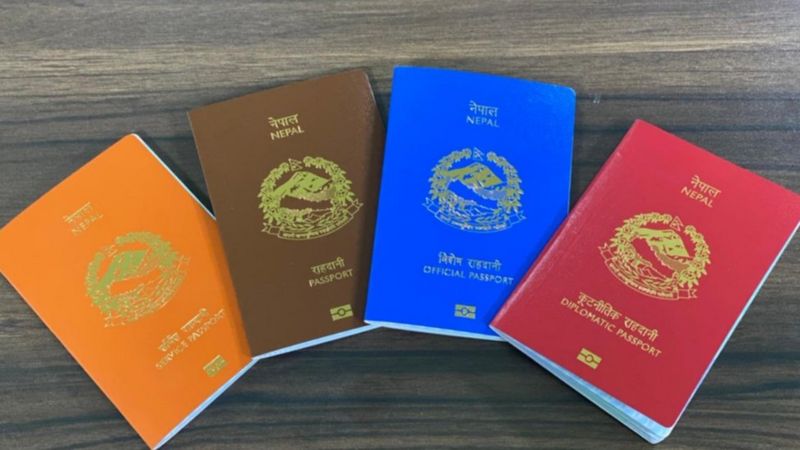
When applying, you need to prepare a set of documents carefully. Based on the latest rules for 2025, here’s what you should have ready for a tourist visa:
- Valid passport (with at least one blank visa page), bio-page copy, valid for at least 6 months beyond intended stay.
- Recent passport-size photo (size and background according to VFS specifications).
Completed visa application form (printed double-sided). - Confirmed flight reservation (in and out of Japan) and hotel booking or other accommodation proof.
- Detailed travel itinerary for your stay in Japan.
- Proof of financial means: bank statements, income certificate, tax records, or deposit certificate.
- If applicable: invitation letter or guarantee letter (for family/friends visit) or business proof (for short-term business/tour).
Be sure everything is consistent — names, dates, passport details — because discrepancies can lead to delays or rejection.
How Long Does Japan Visa Processing Take for Nepal Citizens

Based on recent information for Nepali applicants:
- Under normal circumstances, processing takes about one week.
- In some cases — especially if extra scrutiny or additional documents are needed — it can take up to two months.
- Because the visa issued is typically valid for three months from issuance, it’s wise not to apply too early, but also not too late.
How Nepal Travel Agents Help Simplify Japan Visa Application
If paperwork feels overwhelming, or you’re short on time, many travellers from Nepal use trusted travel agents to help with the process. Here’s how they help:
- Agents guide you on which documents to prepare (so nothing is missed — photos, application form, bank proofs, flight/hotel bookings, itinerary).
- They often help you book the appointment with VFS Global, especially useful during peak travel seasons when slots disappear quickly.
- For first-time travellers, agents can help review and organize documents properly (A4 copies, correct order, no pins/staples, etc.), reducing risk of rejection.
- They may also notify you when visa is ready, or help you collect your passport after approval.
Using a good agent can reduce stress — but always make sure they follow official procedures (not fraudulent shortcuts).
Japanese Culture & Attractions Loved by Nepal Travelers

Once you have your visa sorted, what to expect in Japan? Many Nepali travellers deeply enjoy the unique mix of old and new. Here are some highlights:
- Historic sites and temples: Cities like Kyoto, Nara, and Kamakura offer serene temples, shrines, traditional tea houses and centuries-old heritage — a peaceful escape from the busy modern world.
- Bustling city life: Tokyo’s blend of skyscrapers, high-speed trains, bright lights, fashion districts, and efficient public transport. Great for first-time visitors.
- Natural beauty: Mountainous landscapes, coastal towns, hot springs (onsen), especially in regions like Hokkaido, Hakone, or rural Japan — ideal for those looking for nature and quiet.
- Cultural experiences: From traditional festivals, sushi and street-side eateries, to anime/gaming culture, futuristic tech — there’s something for everyone.
For Nepalese visitors — often used to vibrant hills, mountains, and cultural heritage — Japan offers a wonderful contrast: modernity fused with ancient culture.
Japan Seasonal Tourism Guide for Nepalese Visitors

Japan’s charm changes with seasons — and timing your visit can make a big difference:
- Spring (March–April): Cherry-blossom season — ideal for iconic hanami (flower-viewing), especially in Kyoto, Tokyo, Osaka. Colours, festivals, and mild weather.
- Summer (July–August): Festivals (matsuri), fireworks, coastal towns, beaches (Okinawa), and hiking in cooler mountains — but also hot and humid in many regions.
- Autumn (September–November): Stunning autumn foliage, cooler weather, fewer crowds — a perfect blend of comfort and beauty.
- Winter (December–February): Snowy beauty especially in Hokkaido or northern areas — hot springs, winter sports, traditional festivals; or moderate winters in southern cities.
Depending on what you love — flowers, snow, city life, or quiet nature — you can plan your visit to enjoy Japan at its best.
Japan Shopping & Food Guide for Nepal Visitors

One of the joys of travel to Japan is shopping and food. For Nepalese travellers:
- Shopping: From electronics, gadgets, souvenirs, anime/manga merchandise, traditional crafts, kimonos, to high-end fashion — Japanese shopping is vast and diverse. Cities like Tokyo (Shibuya, Shinjuku), Osaka (Namba), Kyoto (traditional crafts), and malls near train hubs offer great variety.
- Food: Sushi, ramen, street-food stalls, izakayas, seasonal treats — food in Japan is an experience. Even budget travellers can enjoy delicious meals. For Nepali travellers used to rich culinary traditions, exploring Japanese cuisine can be an adventure.
- Cultural crafts: Traditional souvenirs — pottery, wooden items, local handicrafts — provide a nice keepsake, especially from smaller towns or heritage destinations.
Just remember: customs rules for bringing goods (especially food items) may apply — so check any restrictions before packing.
Japan Travel Packing Guide for Nepalese Tourists

To make your trip comfortable and hassle-free, here are some packing suggestions — tailored for someone coming from Nepal:
- Documents folder: Passport, printouts of flight & hotel bookings, visa sticker page, travel itinerary, travel insurance proof. Keep these well-organized.
- Season-appropriate clothes: Spring/fall — light jacket or layers; summer — light breathable clothes; winter — warm clothes, gloves, jackets if visiting cold areas.
- Comfortable walking shoes: Japan involves a lot of walking — city streets, temples, public transport — a pair of good walking shoes goes a long way.
- Adapters / chargers: Japan uses Type A/B sockets — bring proper plug adapters.
- Essentials: A small daypack, reusable water bottle, local cash (for small shops), maps/online transport tools, basic medicines.
- Etiquette awareness: Clean clothes, covered shoulders for temples, modest dressing for shrines, being respectful of local customs.
Japan Business Visa Guide for Nepalese Entrepreneurs

If you’re visiting Japan for business — meetings, conferences, short-term business interactions — the process is different than tourist travel. For Nepalese citizens:
- Short-term business visit visa (Temporary Visitor — Business Purpose) also needs to go through VFS Global. Documents typically include: passport, visa form, flight & hotel reservations, invitation or business letter from Japanese counterpart, company proofs if self-employed, financial statements, etc.
- Long-term stay or “Business Resident” visa (for setting up a business, or staying longer) requires additional paperwork, including a valid business plan, proof of registered office in Japan, and often a Certificate of Eligibility (COE).
- As a Nepali entrepreneur, you’ll need to carefully follow the required procedures and ensure all documents are correctly prepared — third-party visa agencies or legal advisors may help.
Travel Insurance Requirement for Nepalese Visiting Japan

Though not always explicitly enforced, having travel insurance when visiting Japan — especially for Nepali travellers — is highly recommended. Why?
- Medical treatment in Japan can be expensive — even a minor hospital visit may cost significantly more than in Nepal. Good travel insurance helps cover unforeseen health emergencies, accidents, or travel-related issues (missed flights, lost luggage).
- Insurance gives you peace of mind. When you roam a foreign country with unfamiliar transport, language, or food habits — it’s better to be covered.
- Some travel agents or visa facilitators may even ask for proof of insurance while helping with visa processing (especially for longer stays or business trips).
So, treat travel insurance as part of essential travel planning for Japan — not optional extras.
Budget Travel Tips for Nepal Tourists Visiting Japan
Japan is often perceived as an expensive destination — but with smart planning, you can enjoy a fulfilling trip without overspending. Here are some budget tips:
- Travel off-peak seasons: Visiting during non-peak times (outside cherry blossom or autumn seasons) can reduce accommodation and travel costs, and appointment slots for visa may be easier to book.
- Stay in budget-friendly hostels or guesthouses: Instead of luxury hotels, consider hostels, capsule hotels, budget guesthouses — especially in cities like Tokyo, Osaka, Kyoto.
- Use public transport and discount passes: Japan’s transport network is excellent — using trains, subways, and purchasing travel passes can save a lot compared to taxis or private transport.
- Eat at local eateries, street-food stalls, convenience stores: Rich culinary experience doesn’t have to be expensive. Try small ramen shops, local diners, or convenience-store meals when on a budget.
- Plan itinerary wisely: Focus on nearby attractions to avoid long-distance expensive travel; combine multiple sightseeing spots in one city.
- Group travel: If travelling with friends or family, share accommodation or travel passes to split expenses.
With careful planning, a trip to Japan becomes realistic — even on modest budget.
Final Thoughts
While the phrase Japan eVisa for Citizens of Nepal might sound promising, the fact is — as of 2025 — Nepali passport holders are not eligible for Japan’s eVisa program.
But don’t let that discourage you. Japan remains a wonderful travel destination for Nepali tourists. By following the standard tourist visa process via the VFS Global centre in Kathmandu, preparing all required documents diligently, and planning your travel smartly — you can still embark on a beautiful Japanese journey.
Treat the visa process as your first step toward a bigger adventure. Once that hurdle is crossed, you open the door to a vivid mix of tradition, modernity, culture, natural beauty, food, and unforgettable memories.
FAQs: Japan eVisa for Nepal Citizens
Q: Is there a valid “Japan eVisa” option for Nepali passport holders?
A: No — currently the eVisa system does not include Nepal. That means Nepali travellers must apply for a standard tourist visa via the visa application centre.
Q: What kind of visa should I apply for if I want to visit Japan for tourism?
A: You should apply for the “Temporary Visitor” tourist visa (short-term tourist visa) via VFS Global Japan Visa Application Centre in Kathmandu.
Q: How long in advance should I apply for the visa?
A: Since visa validity is typically three months from issuance, it’s best to apply within a window of about three months before your planned travel. It’s also wise to apply at least a few weeks ahead to account for document preparation and possible delays.
Q: What documents will I need to submit?
A: Valid passport (with blank pages), passport-size photo, visa application form, flight booking, hotel reservation, travel itinerary, proof of sufficient funds (bank statements, income or deposit proof), and if applicable, invitation or business proofs.
Q: How long does visa processing take for Nepali travellers?
A: Under usual conditions, about a week. In some cases involving additional checks, processing might take up to two months — so plan accordingly.

