
Precision determines the success of every surgical procedure. Surgeons rely on their skills and the reliability of their instruments to navigate complex anatomical structures. The difference between a successful outcome and a complication often rests on the ability to handle delicate tissues with absolute control. Azeemed Instruments is dedicated to providing high-quality Dissecting forceps surgical tools that meet the needs of professionals. Our commitment ensures that every surgeon has access to instruments that function as a natural extension of their hands. We understand that in the operating room, there is no margin for error.
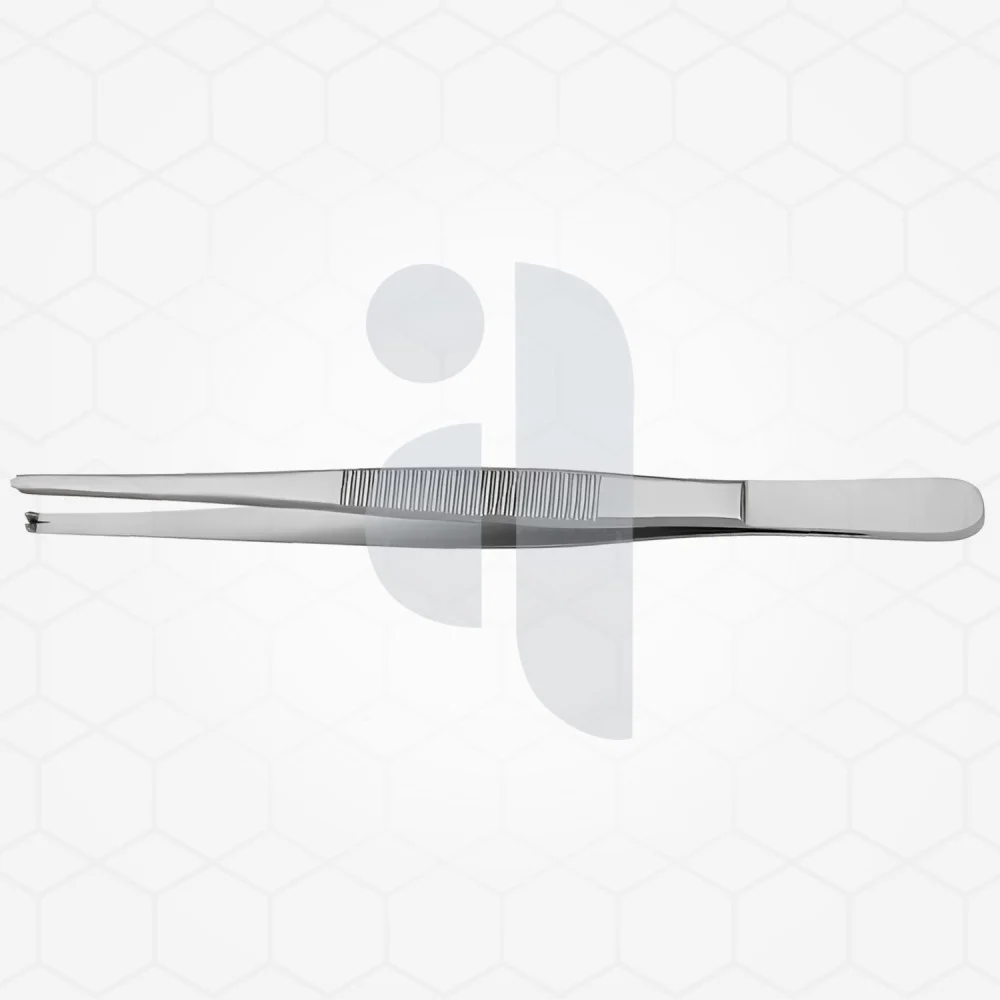
The Critical Role of Dissecting Forceps in Surgery
Dissecting forceps serve as the fundamental grasp of the surgeon. These instruments are designed to hold, retract, or stabilize tissue during an operation. Unlike other grasping tools that might crush or traumatize the area, high-quality dissecting forceps provide a firm hold with minimal pressure. They allow the surgeon to separate planes of tissue, expose underlying structures, and manipulate needles or sutures with dexterity. The versatility of these tools makes them indispensable across every medical specialty, from general surgery to microsurgery.
Every pair of forceps is engineered for specific tactile feedback. When a professional holds the instrument, the tension in the handle must translate accurately to the tips. This transmission of force allows the surgeon to feel the consistency of the tissue they are handling. Without this sensory feedback, the risk of tissue damage increases significantly. Manufacturers invest heavily in the calibration of these instruments to ensure the spring tension is perfect. It should be firm enough to provide a secure grip but soft enough to prevent hand fatigue during long procedures.
Specialized Designs for Ophthalmic Procedures
Ophthalmic surgery requires an even higher level of delicacy due to the fragile nature of the eye. Surgeons operating in this field often rely on the bishop harmon forceps for their distinct design and utility. These instruments are specifically crafted to manipulate the delicate tissues of the eye, such as the iris or the conjunctiva. The fine tips allow for exceptional visibility under a microscope, which is crucial when working in such a confined and sensitive area. The design philosophy behind these tools prioritizes lightness and balance to reduce tremors and enhance stability during intricate maneuvers.
The engineering required for ophthalmic instruments differs vastly from general surgical tools. The tips must be microscopic yet durable enough to withstand repeated sterilization cycles without degrading. A surgeon utilizing a bishop harmon instrument expects consistency every time they reach for it on the tray. If the alignment is off by even a fraction of a millimeter, the instrument becomes useless for microsurgery. This demand for perfection drives manufacturers to use advanced optical inspection methods during the quality control process.
The Anatomy of High-Precision Surgical Tools
The construction of dissecting forceps involves a complex interplay of geometry and metallurgy. The tips may be smooth, serrated, or toothed, depending on their intended use. Smooth tips are generally used for handling sutures or dressings where gripping power is less critical than preventing abrasion. Serrated tips offer a friction grip that holds tissue securely without puncturing it. Toothed variations provide the most secure hold on dense tissues like skin or fascia but require careful handling to avoid trauma.
Surgeons often encounter situations where they must switch between different types of forceps rapidly. The ergonomic design of the handle plays a vital role in this workflow. Grip patterns on the handle prevent slippage when gloves are wet with saline or bodily fluids. The weight of the instrument also matters significantly. A tool that is too heavy can cause fatigue over hours of surgery, while one that is too light might lack the necessary authority for manipulating denser tissues.
Handling extremely fine membranes requires a specific subset of forceps. In procedures involving delicate ocular tissue, the bishop harmon forceps are frequently selected because their fine teeth can grasp slippery tissue without crushing it. This capability is essential when suturing the conjunctiva or manipulating the iris. The teeth on these instruments are often so small they are barely visible to the naked eye, yet they provide the traction necessary for successful microsurgery.
Material Science and Instrument Longevity
The durability of surgical instruments depends entirely on the quality of the stainless steel used in their production. High-grade surgical stainless steel provides the necessary resistance to corrosion and rust. This material must withstand the harsh environment of the operating room and the aggressive chemistry of sterilization processes. Carbon content in the steel is adjusted to allow for hardening, which ensures the tips remain sharp and aligned over years of use.
Passivation is another critical step in the manufacturing process. This chemical treatment removes free iron from the surface of the steel and creates a protective oxide layer. This layer prevents the metal from reacting with bodily fluids or cleaning agents. Instruments that are not properly passivated will develop spots and rust quickly, compromising their sterility and function. Azeemed Instruments ensures that every piece undergoes rigorous passivation to guarantee a long service life.
Even with the best materials, instruments like the bishop harmon forceps require careful handling during cleaning. Because the tips are so fine, they can be easily damaged if thrown into a washing basket with heavier orthopedic tools. Many hospitals utilize specialized sterilization trays with silicone mats to protect these delicate tips. Protecting the integrity of the instrument is not just about saving money on replacements but about ensuring patient safety during every procedure.
Selecting the Correct Instrument for Delicate Tissue
Choosing the right forceps is a decision based on the specific pathology and anatomical location. A surgeon working on the bowel requires atraumatic forceps that will not perforate the intestinal wall. Conversely, a plastic surgeon elevating a skin flap needs toothed forceps that can maintain a grip on the dermis without slipping. The nuances of these choices are learned through years of training and experience.
Tissue trauma is a major concern in postoperative recovery. Instruments that pinch too hard or slip can cause bruising and necrosis, which delays healing and increases the risk of infection. The design of the instrument tip distributes pressure across the contact area. Broad tips spread the force, while fine tips concentrate it. Understanding this physics helps surgeons minimize trauma.
In the realm of plastic and reconstructive surgery, the margin for tissue trauma is nonexistent. The aesthetic outcome depends on preserving the blood supply to the skin edges. Here again, instruments similar in precision to the bishop harmon style are valued for their ability to hold skin edges for suturing with minimal crush injury. The successful approximation of wound edges leads to finer scars and better cosmetic results for the patient.
Best Practices for Sterilization and maintenance
The lifecycle of a surgical instrument is dictated by how well it is maintained. Maintenance begins immediately after the procedure ends. Blood and saline should be wiped off preventing them from drying and causing pitting corrosion. Enzymatic cleaners are used to break down organic matter before the instruments undergo terminal sterilization in an autoclave.
Mechanical inspection is a step that cannot be skipped. Technicians in the sterile processing department must check the alignment of the tips and the tension of the spring. For delicate items like the bishop harmon forceps, this inspection often requires a magnifying glass. If the teeth do not interdigitate correctly, the instrument should be removed from service and sent for repair or replacement.
Lubrication is the final step before packaging. Surgical milk or water-soluble lubricants keep the hinges and box locks moving smoothly. This prevents stiff joints that can frustrate a surgeon during a critical moment. Proper lubrication also acts as a rust inhibitor during the high-heat steam cycle of the autoclave.
Conclusion
The evolution of surgical instrumentation continues to advance alongside medical science. However, the fundamental design of dissecting forceps remains a constant in the operating theater. These tools bridge the gap between the surgeon’s intent and the patient’s recovery. From general dissection to the microscopic precision required when using bishop harmon forceps, the quality of the tool directly impacts the quality of care.

