
You know that feeling. The power flickers, and a second later, it hits you: that god-awful, teeth-rattling roar from the yard. Your shoulders tense up. Across the floor, you see Ahmed from maintenance shake his head and jam in his earplugs. A new guy in shipping jumps. Again.
For years, that noise was just the cost of doing business. A headache we swallowed with bad coffee. It ate at people. We’d shout ourselves hoarse, miss radio calls, and I’d dread the monthly check-ins from the environmental guy next door. It felt like we were running a factory inside a jet engine.
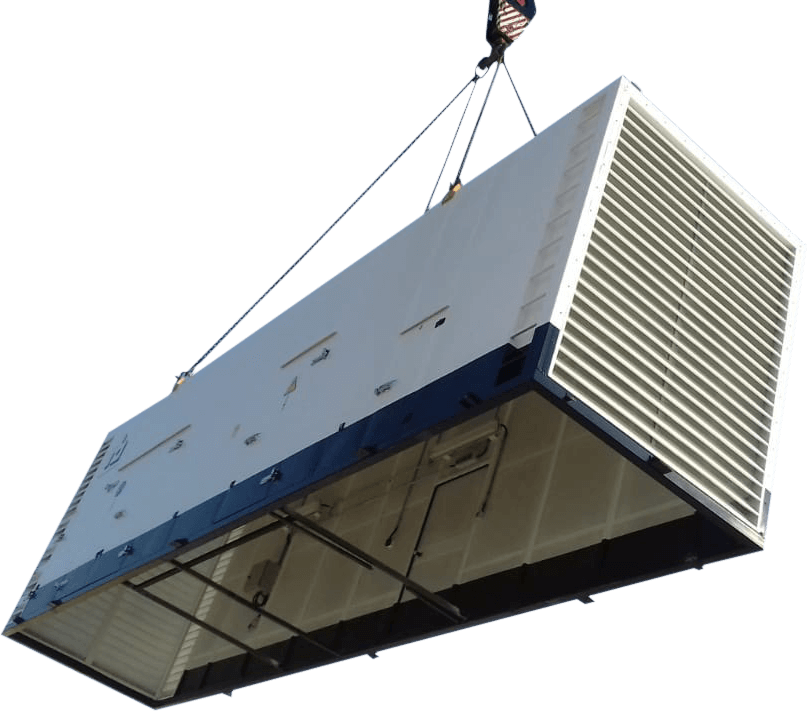
Then we got hit with a notice. A new noise ordinance. We were over the limit. The choice was simple: fix it, or face fines and a potential shutdown during peak season. Panic led to research, which led us to the solution that changed everything: an acoustic generator canopy.
In plain English? We built a soundproof room around the thing.
More Than Just Quiet: What We Didn’t See Coming
The quiet was instant and glorious. The first time it kicked in after the install, I walked outside expecting the usual wall of sound. Instead, it was a low, muffled hum. You could have a normal conversation right next to it. The relief on the team’s faces was real. No more screaming “WHAT?!” across the bay.
But the other benefits? Those trickled in.
Take Mustafa, our senior electrician. He pulled me aside a month later. “Boss, you know I used to hate doing the weekly check on that thing,” he said. “The noise, the heat blasting you. Now it’s just… a machine in a shed. I can actually hear if something sounds off.” He was right. The canopy acted like a protective shell. Less dust and rain getting into the components meant fewer gremlins in the system. Our maintenance logs got thinner.
The biggest win, though, was for our neighbors. The packaging plant manager actually called me. “What did you guys do?” he asked, not angry, but curious. “I realized I haven’t heard your generator in weeks.” That phone call was worth every penny.
What It Actually Looks Like (And The Questions You Should Ask)
Ours isn’t a fancy spaceship box. It’s heavy-gauge steel, lined with this thick, matted material that looks like industrial felt on steroids. The magic is in the vents—they’re not just holes, they’re like sideways chimneys that let heat escape but force the sound to bounce around until it gives up.
If you’re looking at this, you’re probably asking the same questions I did:
“Won’t it cook itself alive in there?”
This kept me up at night. Any decent fabricator will start with the cooling, not the soundproofing. They have to prove the airflow to you. Ours showed us the thermal calculations before they cut a single piece of metal.
“Our unit is ancient. Can it still work?”
Absolutely. Ours wasn’t new. They came out with tape measures and notepads, sketched around all the pipes and protrusions, and built the house to fit the tenant.
“What about when it needs service?”
This is crucial. Make sure they give you proper doors—full-height, with heavy-duty seals and locks. Not just little access panels. Your crew needs to get in there with tools and not fight it.
“Is the permit process a nightmare?”
A good supplier handles the heavy lifting. They know the local decibel limits and can provide the engineered drawings for approval. Don’t let this part scare you off.
The Real Cost Wasn’t Just Money
We crunched the numbers. The upfront cost wasn’t small. But we stopped looking at it as an expense and started seeing it as buying back our sanity, our good standing with the community, and the long-term health of a critical asset. The fine we avoided would have covered a quarter of the cost. The potential downtime? Even more.
But the cost of the noise itself—the fatigue, the miscommunication, the sheer unpleasantness of it—that was the real drain. You can’t put a price on walking your floor and not feeling that low-grade stress vibrating in the air.
Finding the Right Partner to Build Your Solution
This won’t work if it’s built by someone who’s never set foot in a working plant. You need fabricators who understand that things get bumped, doors get swung open hard, and the desert sun bakes everything for ten months a year.
For us, that partner was Al Bahar MCEM. I’ll be straight with you—I’m mentioning them because they earned it. When we were scrambling, their project manager, Hassan, didn’t just send a brochure. He came out, listened to our panic, and spent an hour just looking at our setup. He pointed out things we’d missed, like how the prevailing wind would affect the venting.
Their Metal Cabinets & Enclosures Manufacturing team builds things with a welder’s pride. It’s not flimsy. The doors close with a solid thunk, and the seals are robust. It feels like it’s part of the facility, not an afterthought. They solved our biggest headache, and they did it with patience and serious know-how.
If that generator roar is a constant background anxiety in your day, it’s a fixable problem. Start with a conversation with people who speak your language. Call a shop like Al Bahar MCEM, tell them your specific story—the complaints, the fines, the crew’s frustration. A good fabricator will hear you, and will have a real, practical solution to finally give you—and your team—some peace.
Linkedin https://www.linkedin.com/company/al-bahar-mfg/

