
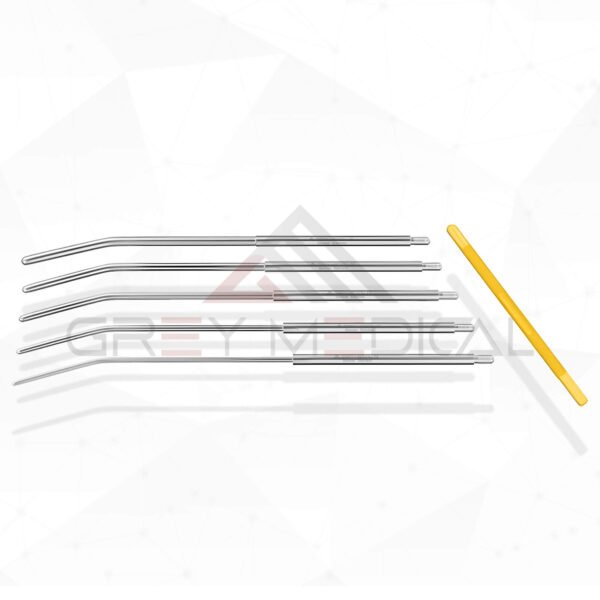
Cervical dilators are core medical instruments in gynecology and women’s health. They help clinicians gently widen the cervical canal to gain safe access to the uterine cavity for diagnosis or treatment. Though simple in form, these tools play a key role in many routine and advanced procedures, from dilation and curettage (D&C) to hysteroscopy and intrauterine device (IUD) placement.
For healthcare professionals and medical and surgical equipment students, a clear understanding of cervical dilators matters for both technical success and patient safety. Instrument choice affects ease of use, cervical trauma risk, procedural efficiency, and infection control.
What Are Cervical Dilators?
Cervical dilators are slender, rod-like medical instruments designed to expand the cervical os and canal in a controlled, graduated manner. They are available in a range of diameters so the cervix can be dilated step by step rather than forced open abruptly. This gradual process helps reduce the risk of laceration, false passage creation, and patient discomfort.
In gynecologic practice, cervical dilation may be required when access to the uterine cavity is limited by a naturally narrow cervix, cervical stenosis, nulliparity, postmenopausal changes, or procedural demands. Cervical dilators provide a mechanical method of dilation and are often used alongside pharmacologic cervical preparation, depending on the case.
Why Cervical Dilators Matter in Clinical Practice
Cervical dilators are essential medical instruments because they support safe uterine access across a wide range of interventions. Their value lies in both precision and predictability.
Primary functions of cervical dilators
The main functions of cervical dilators include:
- ol]:!pt-0 [&>ol]:!pb-0 [&>ul]:!pt-0 [&>ul]:!pb-0″ value=”1″>Gradual opening of the cervical canal
- ol]:!pt-0 [&>ol]:!pb-0 [&>ul]:!pt-0 [&>ul]:!pb-0″ value=”2″>Facilitating entry of operative or diagnostic instruments into the uterus
- ol]:!pt-0 [&>ol]:!pb-0 [&>ul]:!pt-0 [&>ul]:!pb-0″ value=”3″>Reducing resistance during intrauterine procedures
- ol]:!pt-0 [&>ol]:!pb-0 [&>ul]:!pt-0 [&>ul]:!pb-0″ value=”4″>Supporting procedural accuracy by improving access and visualization
- ol]:!pt-0 [&>ol]:!pb-0 [&>ul]:!pt-0 [&>ul]:!pb-0″ value=”5″>Helping manage cases of cervical stenosis
A well-selected set of cervical dilators allows the operator to match the instrument size to the patient’s anatomy and the procedure being performed. That matters in office-based settings as much as in the operating room.
Common Types of Cervical Dilators
Several cervical dilator designs are widely used. While the core purpose is the same, differences in shape, taper, flexibility, and calibration affect performance.
Hegar Dilators
Hegar dilators are among the most recognized cervical dilators in gynecologic instrumentation. They are usually double-ended, with a smooth, slightly curved or straight profile and progressive diameters at each end.
Key features of Hegar dilators
- ol]:!pt-0 [&>ol]:!pb-0 [&>ul]:!pt-0 [&>ul]:!pb-0″ value=”1″>Double-ended design
- ol]:!pt-0 [&>ol]:!pb-0 [&>ul]:!pt-0 [&>ul]:!pb-0″ value=”2″>Rounded tips for gradual insertion
- ol]:!pt-0 [&>ol]:!pb-0 [&>ul]:!pt-0 [&>ul]:!pb-0″ value=”3″>Available in increasing sizes
- ol]:!pt-0 [&>ol]:!pb-0 [&>ul]:!pt-0 [&>ul]:!pb-0″ value=”4″>Commonly made of stainless steel
- ol]:!pt-0 [&>ol]:!pb-0 [&>ul]:!pt-0 [&>ul]:!pb-0″ value=”5″>Useful for serial dilation
Hegar dilators are often favored for routine cervical dilation because they are straightforward to handle and easy to size progressively. Their bennet retractor smooth contour makes them suitable for controlled dilation in many standard procedures.
Common uses
Hegar dilators are commonly used in:
- ol]:!pt-0 [&>ol]:!pb-0 [&>ul]:!pt-0 [&>ul]:!pb-0″ value=”1″>Dilation and curettage
- ol]:!pt-0 [&>ol]:!pb-0 [&>ul]:!pt-0 [&>ul]:!pb-0″ value=”2″>Hysteroscopy
- ol]:!pt-0 [&>ol]:!pb-0 [&>ul]:!pt-0 [&>ul]:!pb-0″ value=”3″>Endometrial sampling support
- ol]:!pt-0 [&>ol]:!pb-0 [&>ul]:!pt-0 [&>ul]:!pb-0″ value=”4″>Cervical stenosis management
- ol]:!pt-0 [&>ol]:!pb-0 [&>ul]:!pt-0 [&>ul]:!pb-0″ value=”5″>Select cases of IUD insertion when the cervix is difficult to access
Pratt Dilators
Pratt dilators are another common type of cervical dilator. They are typically longer and may have a more pronounced taper than Hegar models. This design can help with progressive entry through a tighter cervical canal.
Key features of Pratt dilators
- ol]:!pt-0 [&>ol]:!pb-0 [&>ul]:!pt-0 [&>ul]:!pb-0″ value=”1″>Double-ended construction
- ol]:!pt-0 [&>ol]:!pb-0 [&>ul]:!pt-0 [&>ul]:!pb-0″ value=”2″>Longer and more tapered profile
- ol]:!pt-0 [&>ol]:!pb-0 [&>ul]:!pt-0 [&>ul]:!pb-0″ value=”3″>Fine size increments
- ol]:!pt-0 [&>ol]:!pb-0 [&>ul]:!pt-0 [&>ul]:!pb-0″ value=”4″>Effective for gradual mechanical dilation
- ol]:!pt-0 [&>ol]:!pb-0 [&>ul]:!pt-0 [&>ul]:!pb-0″ value=”5″>Often chosen when more nuanced dilation is needed
Because of their taper, Pratt dilators may offer smoother progression in cases where gentle mechanical dilation is important. Many clinicians prefer them for difficult cervical access, especially when resistance is present.
Common uses
Pratt dilators are often used in:
- ol]:!pt-0 [&>ol]:!pb-0 [&>ul]:!pt-0 [&>ul]:!pb-0″ value=”1″>D&C procedures
- ol]:!pt-0 [&>ol]:!pb-0 [&>ul]:!pt-0 [&>ul]:!pb-0″ value=”2″>Hysteroscopic access
- ol]:!pt-0 [&>ol]:!pb-0 [&>ul]:!pt-0 [&>ul]:!pb-0″ value=”3″>Evaluation and treatment of cervical stenosis
- ol]:!pt-0 [&>ol]:!pb-0 [&>ul]:!pt-0 [&>ul]:!pb-0″ value=”4″>Operative gynecology requiring progressive dilation
Hank Dilators
Hank dilators are similar to Hegar dilators but are distinguished by a stop or collar near the widest part of the instrument. This feature can help the operator judge insertion depth and reduce the chance of advancing farther than intended.
Key features of Hank dilators
- ol]:!pt-0 [&>ol]:!pb-0 [&>ul]:!pt-0 [&>ul]:!pb-0″ value=”1″>Double-ended design
- ol]:!pt-0 [&>ol]:!pb-0 [&>ul]:!pt-0 [&>ul]:!pb-0″ value=”2″>Graduated diameters
- ol]:!pt-0 [&>ol]:!pb-0 [&>ul]:!pt-0 [&>ul]:!pb-0″ value=”3″>Built-in stop for depth awareness
- ol]:!pt-0 [&>ol]:!pb-0 [&>ul]:!pt-0 [&>ul]:!pb-0″ value=”4″>Smooth surface for easier passage
- ol]:!pt-0 [&>ol]:!pb-0 [&>ul]:!pt-0 [&>ul]:!pb-0″ value=”5″>Reusable in most standard sets
The stop on Hank dilators can be useful for training settings and for clinicians who value an added depth cue during cervical dilation.
Common uses
Hank dilators are commonly used for:
- ol]:!pt-0 [&>ol]:!pb-0 [&>ul]:!pt-0 [&>ul]:!pb-0″ value=”1″>Uterine access before curettage
- ol]:!pt-0 [&>ol]:!pb-0 [&>ul]:!pt-0 [&>ul]:!pb-0″ value=”2″>Office gynecology procedures
- ol]:!pt-0 [&>ol]:!pb-0 [&>ul]:!pt-0 [&>ul]:!pb-0″ value=”3″>Cases requiring attention to insertion depth
- ol]:!pt-0 [&>ol]:!pb-0 [&>ul]:!pt-0 [&>ul]:!pb-0″ value=”4″>General cervical dilation in standard practice
Other Dilator Options in Practice
While Hegar, Pratt, and Hank dilators are the best-known mechanical cervical dilators, clinicians may also encounter osmotic dilators or disposable plastic options depending on the setting. Osmotic dilators work differently and are usually inserted in advance to absorb moisture and expand gradually over time. These are more often used for planned cervical preparation rather than immediate mechanical dilation.
For this reason, when clinicians refer to cervical dilators as surgical instruments, they most often mean the metal, graduated types used at the point of care.
Common Applications of Cervical Dilators
Cervical dilators are used across a wide range of gynecologic procedures. Instrument selection depends on cervical anatomy, patient history, the required degree of dilation, and procedural goals.
Dilation and Curettage (D&C)
D&C remains one of the most common settings for cervical dilator use. Before curettage or suction instrumentation can be performed, the cervix often must be dilated enough to permit safe passage.
In these cases, cervical dilators help:
- ol]:!pt-0 [&>ol]:!pb-0 [&>ul]:!pt-0 [&>ul]:!pb-0″ value=”1″>Create access to the uterine cavity
- ol]:!pt-0 [&>ol]:!pb-0 [&>ul]:!pt-0 [&>ul]:!pb-0″ value=”2″>Minimize force during instrument entry
- ol]:!pt-0 [&>ol]:!pb-0 [&>ul]:!pt-0 [&>ul]:!pb-0″ value=”3″>Lower the risk of cervical injury from oversized instrument passage
The required dilation size depends on the technique used and the instrument that will follow.
Hysteroscopy
Diagnostic and operative hysteroscopy often require cervical dilation, especially when larger hysteroscopes or accessory instruments are used. Although smaller modern hysteroscopes can reduce the need for extensive dilation, many cases still benefit from it.
Cervical dilators are useful in hysteroscopy because they:
- ol]:!pt-0 [&>ol]:!pb-0 [&>ul]:!pt-0 [&>ul]:!pb-0″ value=”1″>Improve access through a narrow cervical canal
- ol]:!pt-0 [&>ol]:!pb-0 [&>ul]:!pt-0 [&>ul]:!pb-0″ value=”2″>Support smoother scope insertion
- ol]:!pt-0 [&>ol]:!pb-0 [&>ul]:!pt-0 [&>ul]:!pb-0″ value=”3″>Reduce resistance that may compromise visualization or patient tolerance
In office hysteroscopy, careful mechanical dilation may be combined with analgesia or cervical ripening strategies.
IUD Insertion
Routine IUD insertion does not always require cervical dilation. Still, cervical dilators can be valuable when insertion is technically difficult, especially in patients with cervical stenosis, a tightly closed internal os, or prior failed placement attempts.
In these cases, controlled dilation can:
- ol]:!pt-0 [&>ol]:!pb-0 [&>ul]:!pt-0 [&>ul]:!pb-0″ value=”1″>Facilitate atraumatic uterine entry
- ol]:!pt-0 [&>ol]:!pb-0 [&>ul]:!pt-0 [&>ul]:!pb-0″ value=”2″>Improve success in challenging insertions
- ol]:!pt-0 [&>ol]:!pb-0 [&>ul]:!pt-0 [&>ul]:!pb-0″ value=”3″>Reduce repeated forceful attempts with the inserter
Because patient comfort is a major concern in office IUD placement, technique and case selection are especially important.
Additional Clinical Uses
Cervical dilators may also be used in:
- ol]:!pt-0 [&>ol]:!pb-0 [&>ul]:!pt-0 [&>ul]:!pb-0″ value=”1″>Endometrial biopsy support in selected cases
- ol]:!pt-0 [&>ol]:!pb-0 [&>ul]:!pt-0 [&>ul]:!pb-0″ value=”2″>Removal of retained products of conception
- ol]:!pt-0 [&>ol]:!pb-0 [&>ul]:!pt-0 [&>ul]:!pb-0″ value=”3″>Management of intrauterine pathology
- ol]:!pt-0 [&>ol]:!pb-0 [&>ul]:!pt-0 [&>ul]:!pb-0″ value=”4″>Access before operative procedures involving the uterine cavity
Their role is broad, but the principle remains the same: achieve access with the least trauma possible.
Best Practices for Safe Use
Although cervical dilators are basic instruments, their use requires sound technique and anatomical awareness. Patient safety depends on gradual progression, good alignment, and appropriate force.
Key safety considerations
- ol]:!pt-0 [&>ol]:!pb-0 [&>ul]:!pt-0 [&>ul]:!pb-0″ value=”1″>Assess uterine position before dilation
- ol]:!pt-0 [&>ol]:!pb-0 [&>ul]:!pt-0 [&>ul]:!pb-0″ value=”2″>Use the smallest suitable dilator first
- ol]:!pt-0 [&>ol]:!pb-0 [&>ul]:!pt-0 [&>ul]:!pb-0″ value=”3″>Progress in measured increments
- ol]:!pt-0 [&>ol]:!pb-0 [&>ul]:!pt-0 [&>ul]:!pb-0″ value=”4″>Avoid excessive force
- ol]:!pt-0 [&>ol]:!pb-0 [&>ul]:!pt-0 [&>ul]:!pb-0″ value=”5″>Maintain awareness of uterine axis
- ol]:!pt-0 [&>ol]:!pb-0 [&>ul]:!pt-0 [&>ul]:!pb-0″ value=”6″>Stop if resistance is unusual or anatomy is uncertain
Blind forceful dilation increases the risk of complications such as cervical laceration, uterine perforation, and false passage creation. This is especially important in postmenopausal patients, patients with prior cervical surgery, or those with marked cervical stenosis.
Patient-centered factors
Cervical dilation should always be considered in the context of:
- ol]:!pt-0 [&>ol]:!pb-0 [&>ul]:!pt-0 [&>ul]:!pb-0″ value=”1″>Pain control
- ol]:!pt-0 [&>ol]:!pb-0 [&>ul]:!pt-0 [&>ul]:!pb-0″ value=”2″>Anxiety management
- ol]:!pt-0 [&>ol]:!pb-0 [&>ul]:!pt-0 [&>ul]:!pb-0″ value=”3″>Infection prevention
- ol]:!pt-0 [&>ol]:!pb-0 [&>ul]:!pt-0 [&>ul]:!pb-0″ value=”4″>Reproductive goals
- ol]:!pt-0 [&>ol]:!pb-0 [&>ul]:!pt-0 [&>ul]:!pb-0″ value=”5″>Procedural necessity
Not every patient needs the same approach. Office-based procedures may call for local anesthesia, cervical priming agents, or ultrasound guidance in select cases.
Material Considerations: Stainless Steel vs. Single-Use
Material choice affects durability, sterility workflows, cost, and clinical practicality. The two most common categories are reusable stainless steel cervical dilators and single-use disposable options.
Stainless Steel Cervical Dilators
Stainless steel remains the standard material for many cervical dilators used in hospitals, ambulatory surgery centers, and specialty clinics.
Advantages
- ol]:!pt-0 [&>ol]:!pb-0 [&>ul]:!pt-0 [&>ul]:!pb-0″ value=”1″>Durable and long-lasting
- ol]:!pt-0 [&>ol]:!pb-0 [&>ul]:!pt-0 [&>ul]:!pb-0″ value=”2″>Resistant to corrosion with proper care
- ol]:!pt-0 [&>ol]:!pb-0 [&>ul]:!pt-0 [&>ul]:!pb-0″ value=”3″>Provides tactile feedback during dilation
- ol]:!pt-0 [&>ol]:!pb-0 [&>ul]:!pt-0 [&>ul]:!pb-0″ value=”4″>Available in precise graduated sizes
- ol]:!pt-0 [&>ol]:!pb-0 [&>ul]:!pt-0 [&>ul]:!pb-0″ value=”5″>Cost-effective over time in high-volume settings
The weight and rigidity of stainless steel instruments can improve control for experienced users. They also hold up well under repeated sterilization when maintained according to manufacturer instructions and institutional protocols.
Limitations
- ol]:!pt-0 [&>ol]:!pb-0 [&>ul]:!pt-0 [&>ul]:!pb-0″ value=”1″>Require cleaning and sterilization
- ol]:!pt-0 [&>ol]:!pb-0 [&>ul]:!pt-0 [&>ul]:!pb-0″ value=”2″>Need strict reprocessing compliance
- ol]:!pt-0 [&>ol]:!pb-0 [&>ul]:!pt-0 [&>ul]:!pb-0″ value=”3″>Higher upfront cost than single-use tools
- ol]:!pt-0 [&>ol]:!pb-0 [&>ul]:!pt-0 [&>ul]:!pb-0″ value=”4″>Potential workflow burden in lower-volume settings
Single-Use Cervical Dilators
Single-use cervical dilators are often made from medical-grade plastic or similar materials. They are designed for one procedure and then discarded.
Advantages
- ol]:!pt-0 [&>ol]:!pb-0 [&>ul]:!pt-0 [&>ul]:!pb-0″ value=”1″>Ready to use without reprocessing
- ol]:!pt-0 [&>ol]:!pb-0 [&>ul]:!pt-0 [&>ul]:!pb-0″ value=”2″>Lower risk of cross-contamination from inadequate sterilization
- ol]:!pt-0 [&>ol]:!pb-0 [&>ul]:!pt-0 [&>ul]:!pb-0″ value=”3″>Convenient in office or low-resource settings without full instrument processing capacity
- ol]:!pt-0 [&>ol]:!pb-0 [&>ul]:!pt-0 [&>ul]:!pb-0″ value=”4″>Useful for infection control workflows
Limitations
- ol]:!pt-0 [&>ol]:!pb-0 [&>ul]:!pt-0 [&>ul]:!pb-0″ value=”1″>Less durable
- ol]:!pt-0 [&>ol]:!pb-0 [&>ul]:!pt-0 [&>ul]:!pb-0″ value=”2″>May provide different tactile feedback than metal instruments
- ol]:!pt-0 [&>ol]:!pb-0 [&>ul]:!pt-0 [&>ul]:!pb-0″ value=”3″>Can be more costly over time in high-volume use
- ol]:!pt-0 [&>ol]:!pb-0 [&>ul]:!pt-0 [&>ul]:!pb-0″ value=”4″>Limited size range in some product lines
The choice between stainless steel and single-use cervical dilators depends on procedure volume, budget, infection prevention policies, and clinician preference. In many settings, reusable metal instruments remain the default, but disposable options can offer practical benefits in outpatient care.
Choosing the Right Cervical Dilator
Selecting the right cervical dilator involves more than choosing a familiar brand or shape. The best choice depends on the patient, the procedure, and the clinical environment.
Factors that influence selection
- ol]:!pt-0 [&>ol]:!pb-0 [&>ul]:!pt-0 [&>ul]:!pb-0″ value=”1″>Degree of cervical stenosis
- ol]:!pt-0 [&>ol]:!pb-0 [&>ul]:!pt-0 [&>ul]:!pb-0″ value=”2″>Planned procedure and required access size
- ol]:!pt-0 [&>ol]:!pb-0 [&>ul]:!pt-0 [&>ul]:!pb-0″ value=”3″>Need for tactile precision
- ol]:!pt-0 [&>ol]:!pb-0 [&>ul]:!pt-0 [&>ul]:!pb-0″ value=”4″>Office versus operating room setting
- ol]:!pt-0 [&>ol]:!pb-0 [&>ul]:!pt-0 [&>ul]:!pb-0″ value=”5″>Reprocessing capabilities
- ol]:!pt-0 [&>ol]:!pb-0 [&>ul]:!pt-0 [&>ul]:!pb-0″ value=”6″>Training level of the operator
For example, a clinician performing office hysteroscopy in a patient with a stenotic cervix may value fine size increments and gentle taper. A surgical team in a high-volume operating suite may prioritize a robust stainless steel set that supports repeated use.
Training and Technique Matter as Much as the Instrument
No cervical dilator design can replace proper training. Safe cervical dilation depends on understanding pelvic anatomy, uterine orientation, tissue resistance, and procedural endpoints.
For medical students and early trainees, cervical dilators are a reminder that even simple-looking medical instruments demand care and judgment. Proper supervision, simulation practice, and familiarity with size progression all help reduce preventable complications.
Conclusion
Cervical dilators are essential medical instruments in gynecologic and reproductive healthcare. They enable controlled cervical access for procedures such as D&C, hysteroscopy, and selected IUD insertions. Common types like Hegar, Pratt, and Hank dilators each offer practical advantages based on their shape, taper, and design features.
For clinicians, the key is not only knowing the instrument names but also understanding when and how to use them safely. Material choice, whether stainless steel or single-use, also matters for tactile control, sterilization workflow, and infection prevention. When used with sound technique and patient-centered planning, cervical dilators support effective procedures while helping reduce trauma and improve outcomes.
If you are building procedural knowledge in gynecology, start by learning the instruments, their sizing systems, and the clinical judgment behind their use. That foundation improves both technical confidence and patient safety.

