
If you’re a traveler from Costa Rica planning an adventure to Africa, then the Cameroon eVisa for Citizens of Costa Rica is something you’ll want to get familiar with right away. With this eVisa, your journey to Cameroon can be smooth, stress-free, and well-organized — so you can focus on what matters: exploring the lush rainforests, vibrant cities, and stunning landscapes of this diverse country. In this guide, I’ll walk you through everything you need to know — from visa types to travel tips — in a friendly, traveler-blog style, just like chatting with a friend who’s been there before.
What is the best time to visit Cameroon?
When you think about visiting Cameroon, timing can make all the difference.
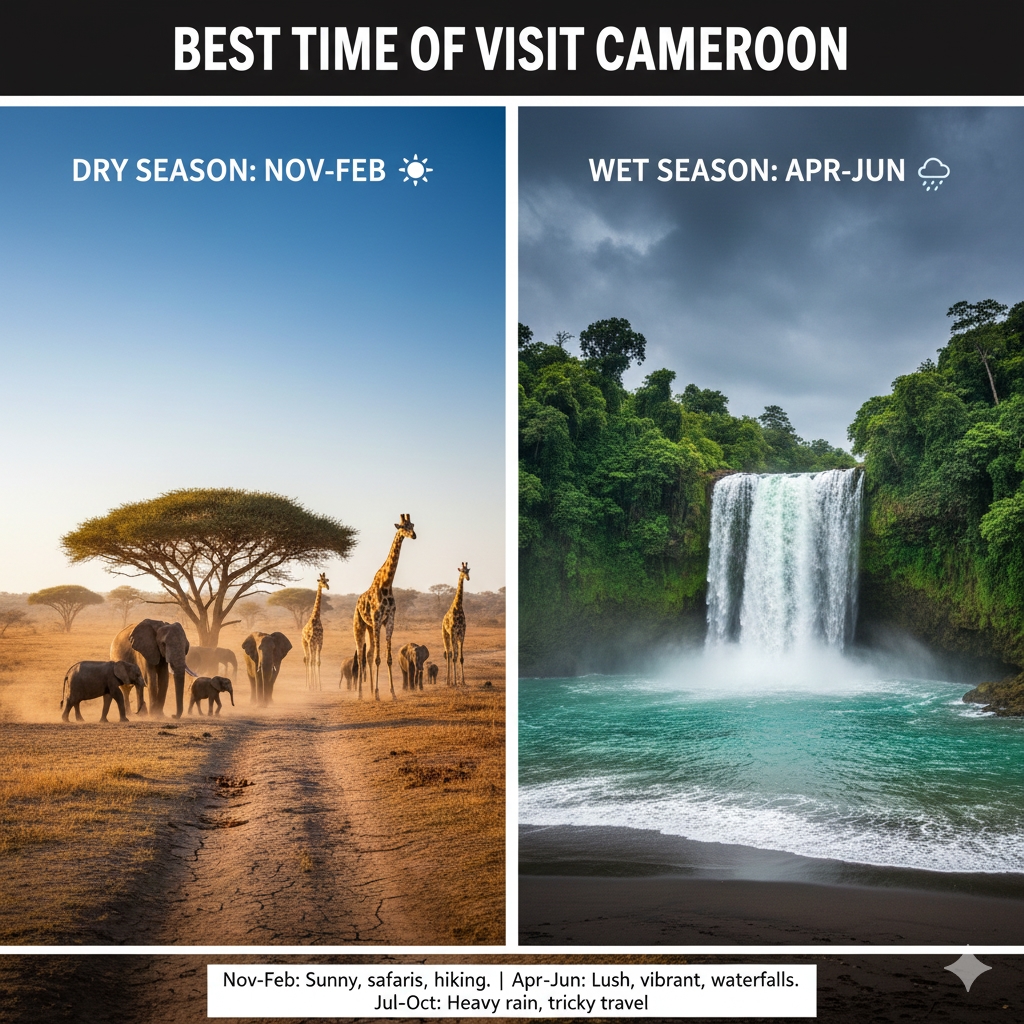
Dry Season: November to February
The best time overall to travel is during the dry season. During these months, the weather is generally drier, skies are clearer, and roads — especially in rural or remote regions — remain navigable. That makes it ideal for safaris, hikes, and exploring national parks or mountainous areas like Mount Cameroon.
Early Wet Season (April–June)
If you don’t mind some rain and want to see lush green forests or waterfalls at their best, early wet season can be beautiful. The landscapes get vibrant, especially in rainforest areas and around waterfalls.
What about July–October?
This is the heavier rainy season — travel can be tricky because of mud, closed trails, and possible disruptions. That said, if you love green landscapes, don’t mind rain, and are flexible, it can still be a rewarding time to explore.
In short: For most first-time visitors, November to February is the sweet spot — best weather, easier travel, and more reliable access to attractions.
How do I apply for a visa?
To visit Cameroon as a traveler from Costa Rica, you’ll need an eVisa. The process is fairly straightforward, though you must ensure that your paperwork is complete and submitted properly.
-
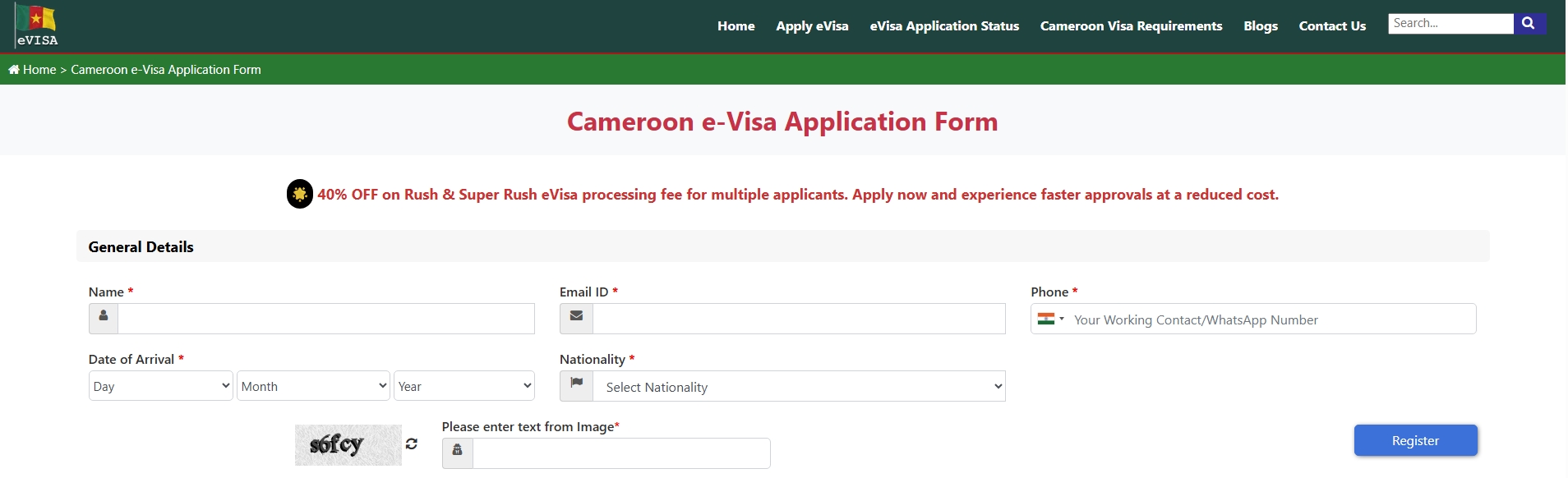
Fill out the application form and upload required documents — you’ll need: a valid passport (with at least 6 months validity), a scan/photo of its ID page, flight return ticket, proof of accommodation (hotel booking or host invitation), vaccination certificate (e.g. yellow‑fever if needed), and possibly proof of address or a birth certificate, depending on your nationality and stay type.
-
Pay the processing fee online — after submitting the form and documents, pay the fee for Cameroon visa via the method allowed.
-
Wait for processing and get your visa authorization — once approved, you receive a visa authorization (often with a QR code) or instructions to complete biometric enrolment if required.
-
Travel to Cameroon with your documents — carry your passport, visa approval (authorization / QR code or visa sticker), return ticket, and accommodation proof. at the entry will check them.
Because you are traveling from Costa Rica, make sure your passport is valid for at least six months beyond your intended date of return.
Which documents are required for a visa application?
When applying for a Cameroon eVisa, you’ll need to gather the following documents for Cameroon visa:
-
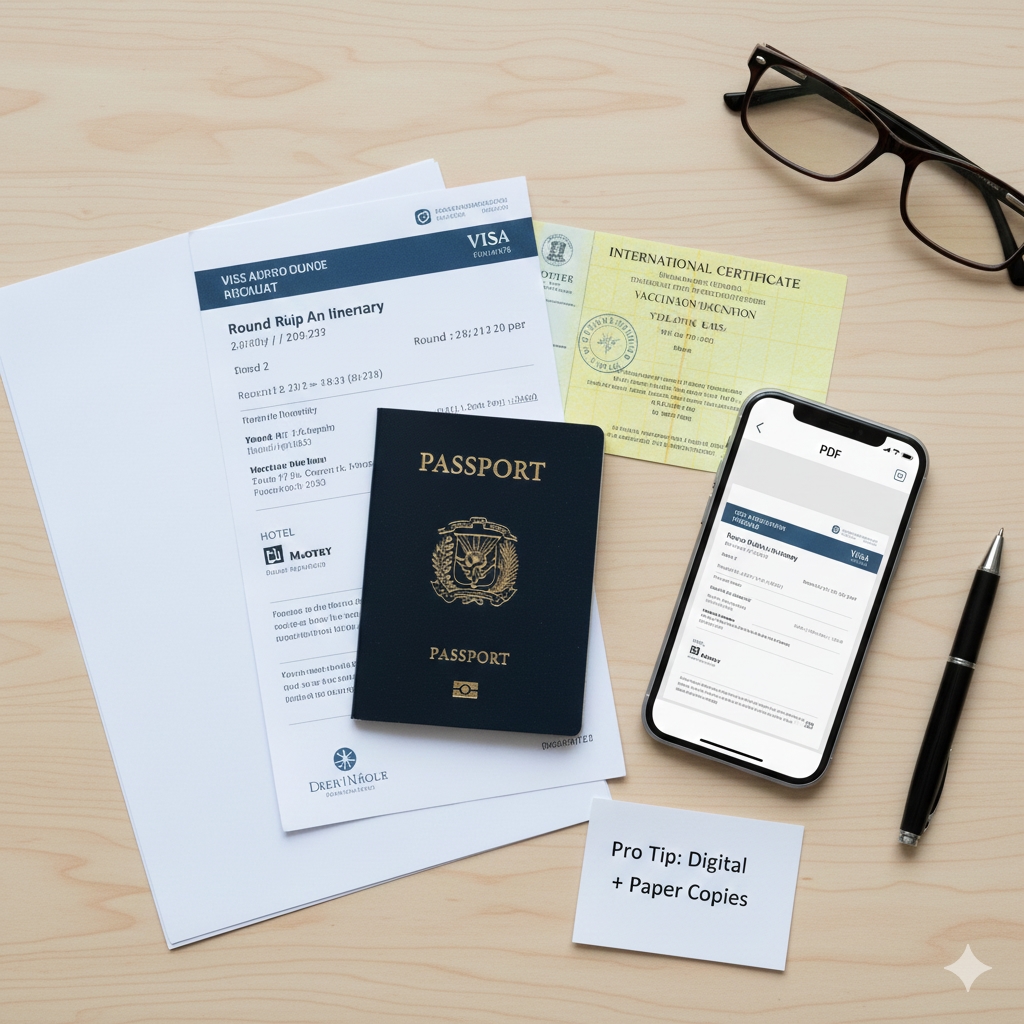
A valid passport — at least six months’ validity.
-
A round-trip (return) air ticket — to show your entry and exit dates.
-
Proof of accommodation — either a confirmed hotel booking or a letter of invitation if you’re staying with a friend or local.
-
International vaccination certificate (especially yellow fever, if applicable) or other required vaccine evidence.
-
Sometimes additional documents like a birth certificate/family record, proof of residence in your home country, or proof of purpose of visit may be requested — especially for longer stays.
Pro tip: Make clear, legible scans or copies of passports and travel tickets, and keep both digital and physical copies. Double-check all spellings and dates before submitting.
How long does a Cameroon eVisa take?
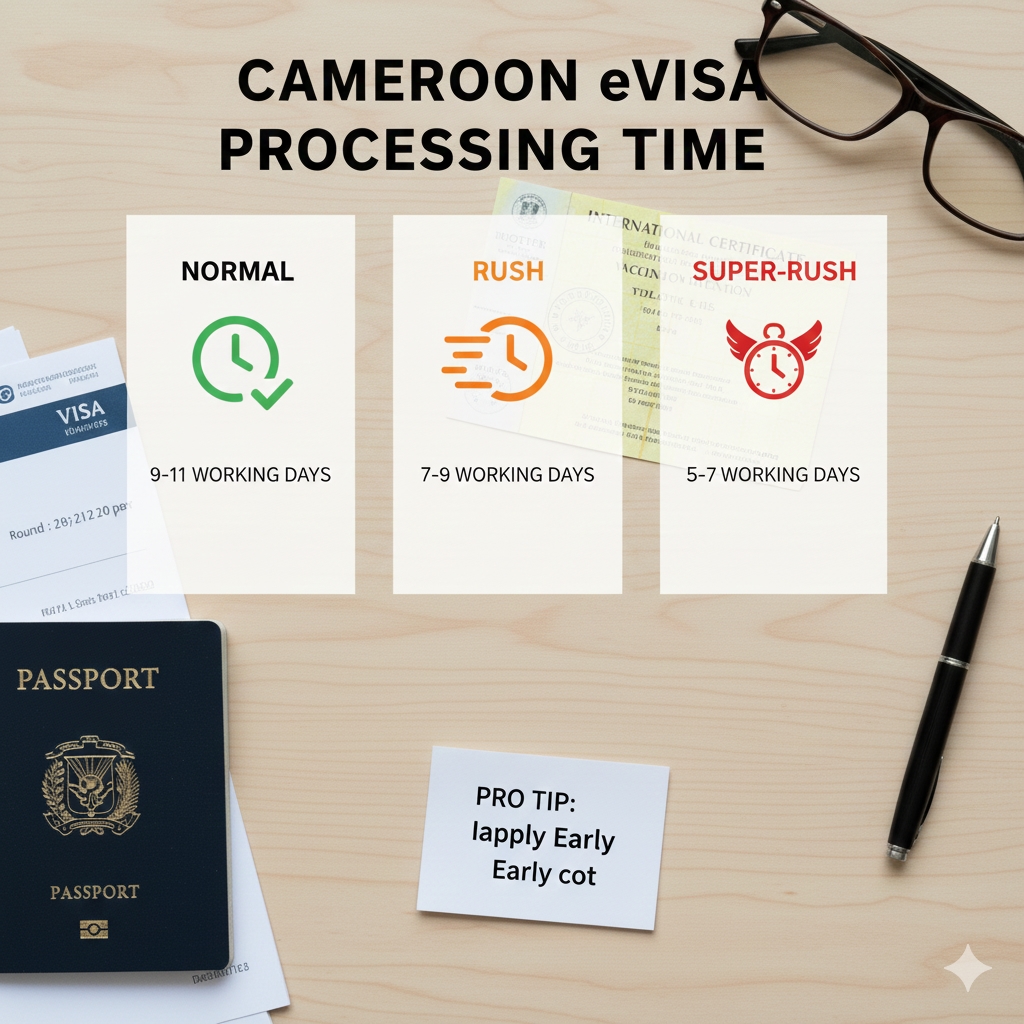
Processing times can vary depending on how busy things are and which processing speed you choose. If you opt for an urgent Cameroon visa or expedited processing, you can often get approval faster
-
Normal processing: ~ 9–11 working days
-
Rush processing: ~ 7–9 working days
-
Super-rush (fastest) processing: ~ 5–7 working days
These timeframes give you flexibility depending on how soon you plan to travel. It’s wise to apply well in advance — that way, you have time to fix any potential issues with documentation or scheduling.
How many types of e-visas are there?
When applying for your eVisa, you’ll find that there are multiple visa types. Here’s a breakdown (and note — this applies generally, though the eVisa system itself handles authorization):
|
Visa Type |
Validity & Entry |
Ideal For |
|
Short Stay – 0 to 6 months, Single entry |
Valid for up to 6 months, single entry |
Short visits, tourism, quick trips |
|
Short Stay – 0 to 6 months, Multiple entry |
Up to 6 months, multiple entries |
If you plan to exit and re-enter Cameroon during the same trip |
|
Long Stay – 6 months to 1 year, Single entry |
Valid up to 1 year, single entry |
Longer stays (extended travel, long work, family, etc.) |
|
Long Stay – 6 months to 1 year, Multiple entry |
Up to 1 year, multiple entries |
For frequent travellers or longer multi-entry visits |
|
Express Visa for Short Stay – 0 to 6 months, Single entry |
Faster processing, single entry |
Urgent travel plans |
|
Express Visa for Short Stay – 0 to 6 months, Multiple entry |
Faster processing, multiple entries |
Urgent plans with need to re-enter |
|
Transit – 1 to 4 days, Single or Multiple entry |
For short transit stays (1–4 days) |
When Cameroon is a stopover en route elsewhere |
|
Transit – Over 4 days, Single or Multiple entry |
For longer transit stays over 4 days |
When layover is extended or multiple entries needed |
Validity & stay durations correspond roughly to the visa type: some allow up to 6 months stay (for short-stay visas), others up to 1 year for long-stay visas.
Can I get a visa on arrival in Cameroon?
No — you generally cannot rely on obtaining a visa upon arrival in Cameroon. For most foreign nationals, including citizens of Costa Rica, an eVisa is required in advance.
Relying on visa on arrival is risky because many airports and points of entry strictly require the eVisa (or equivalent pre-authorization) before boarding or entry.
So to ensure a smooth trip, plan ahead and apply for your eVisa before departure.
Is it safe to travel to Cameroon right now?
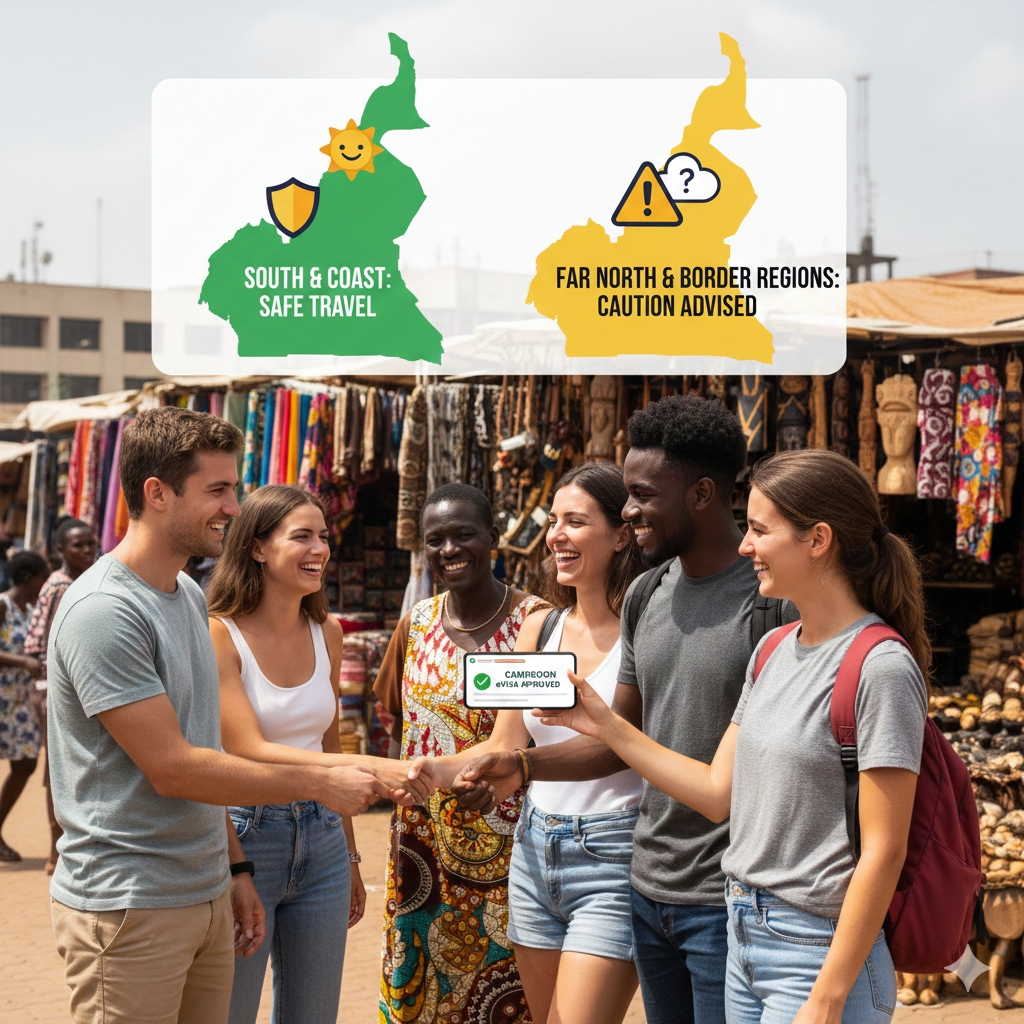
Safety in Cameroon depends a lot on where exactly you travel, how you behave, and how well prepared you are. As with many countries, some regions are more stable and tourist-friendly, and there are also areas where caution is advised.
From traveler experiences on social media and forums:
“Cameroon is safe but only safe if you trust people and don’t try to be better than others (i.e. don’t treat people like they are beneath you).”
Some travelers report difficulties when using the eVisa — delays in approval or difficulty receiving confirmation emails — which means it’s best not to leave visa arrangements for the last minute.
Tips for safer travel:
-
Travel with a plan — know your accommodation, flights, and local transit.
-
Use reputable lodging and transport options (hotels, registered taxis).
-
Be aware of local customs, dress modestly in conservative regions, respect local culture.
-
Keep important documents (passport, eVisa approval, tickets) safe and carry copies.
-
Try to travel during safer seasons (e.g., dry season) and avoid remote areas unless you have local guidance.
Overall, many travellers do visit and enjoy Cameroon — but a careful, informed approach helps ensure smooth travel.
How do I know when my visa will expire?
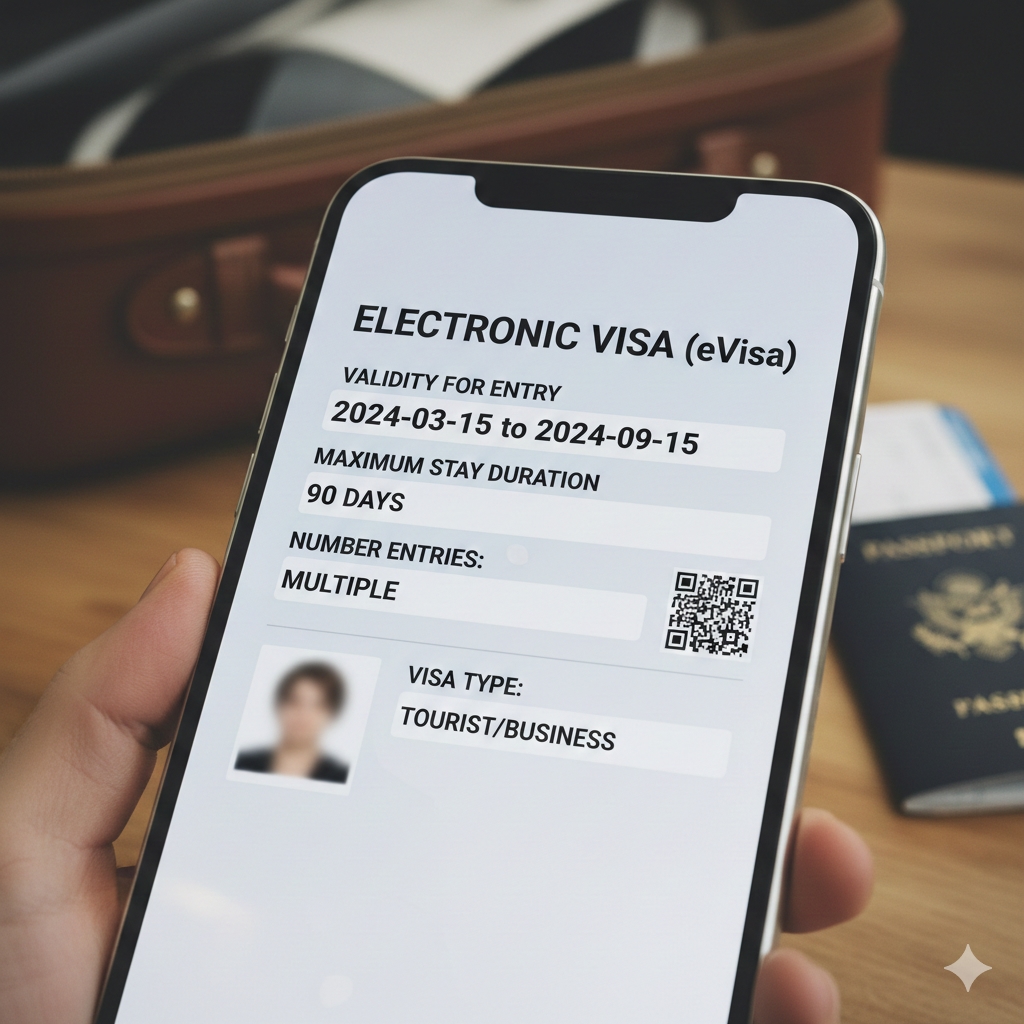
When you receive your eVisa, it will come with specific validity dates — typically how long the authorization is valid for entry, and how long you can stay. These details determine when your visa expires.
For example:
-
Some visas allow stay and validity for 0 to 6 months (single or multiple entry)
-
Others allow 6 months to 1 year (single or multiple entry), depending on visa type
Make sure to note both the entry validity window and the maximum stay duration once you arrive — staying beyond either can lead to complications.
What happens if you put wrong information on a visa application?
Mistakes in visa applications can happen — misspelled names, wrong dates, uploading wrong documents, etc. If you discover an error:
-
Contact the visa issuing authority as soon as possible (before travel), and request correction or re-submission.
-
Some travelers online have expressed frustration when confirmation emails didn’t arrive, or visa approvals got delayed — which can make catch-up tricky.
-
If you are already abroad and realize a mistake, you may need to seek help.
Best practice: Review all your information carefully before submitting — passport details, travel dates, accommodation info, return ticket info — to minimize chances of rejection or delays.

How to extend a Cameroon visa?
Extending a visa in Cameroon can be complicated. The eVisa is often issued for a defined validity and stay period. There is no guarantee of extension, and many travelers may need to apply for a new visa if they wish to stay longer.
Some agencies suggest that extensions may not be possible once the authorized stay period ends.
If you think you might stay longer, plan: apply for the correct visa type (short stay or long stay, single or multiple entry) according to your travel plans.
What is the main airport in Cameroon?
If you fly internationally, you’re most likely arriving at one of these airports:
-
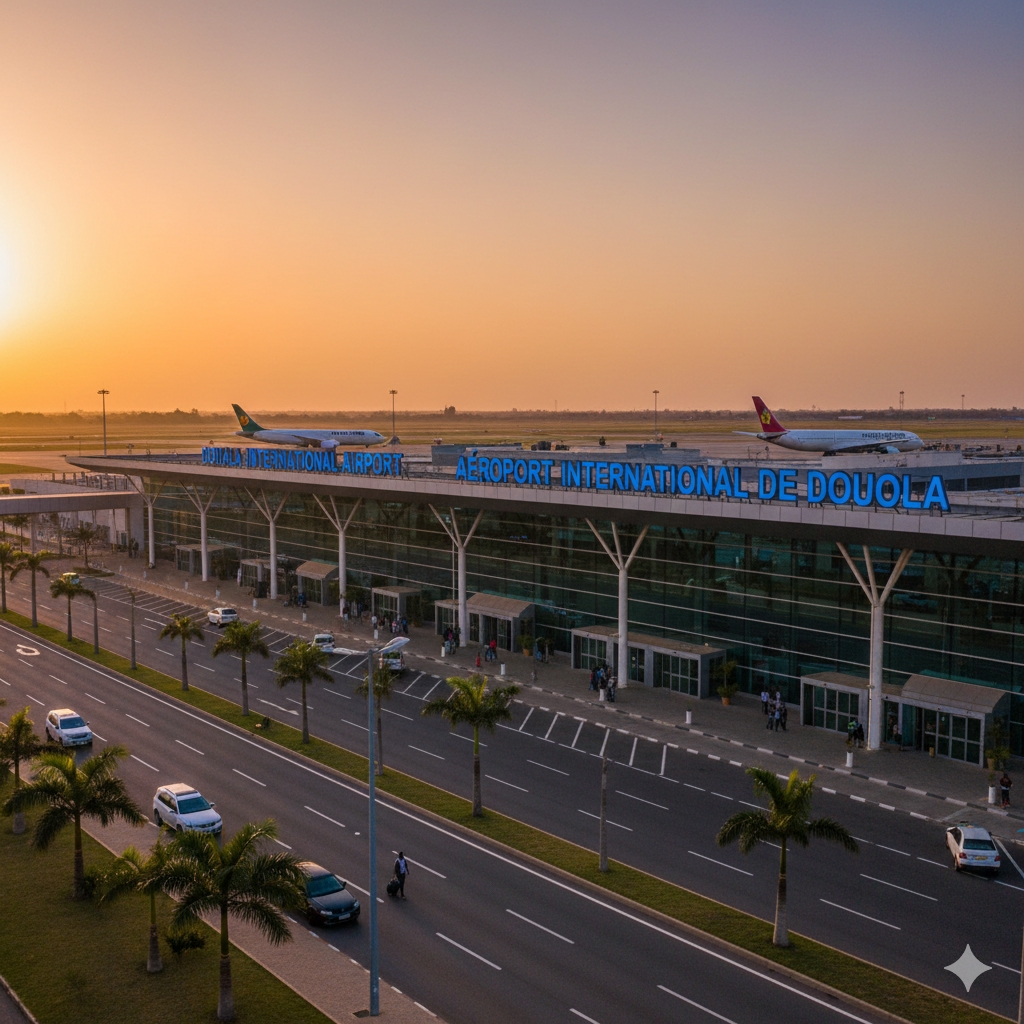
Douala International Airport — the busiest airport in Cameroon and a common arrival point for international flights.
-
Yaoundé Nsimalen International Airport — another major airport that serves the capital region and can be used for entry.
When you apply for your eVisa, ensure that you plan your itinerary with one of these airports in mind, as eVisa entry is typically recognized at such major international points.
What is the most beautiful region of Cameroon?
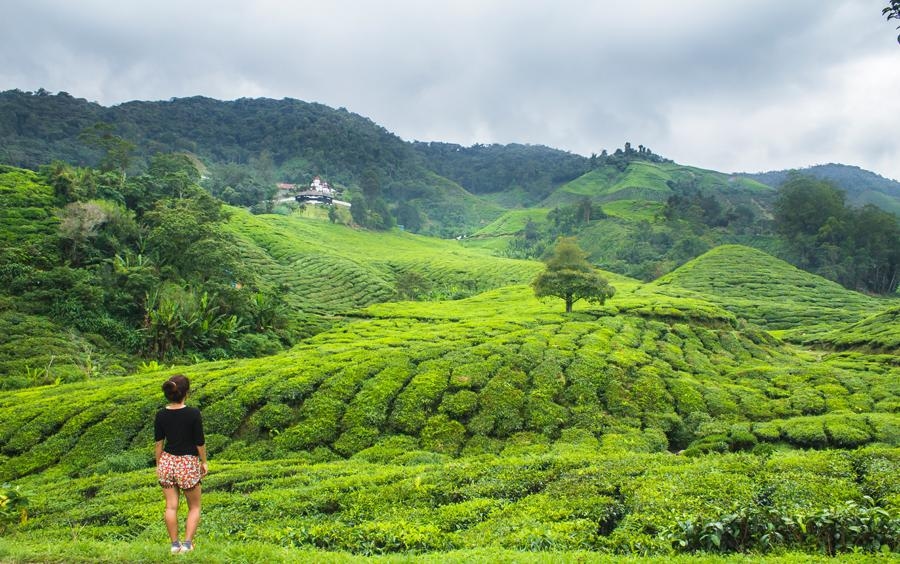
Beauty in Cameroon comes in many forms — from coastal beaches to misty mountains, from dense rainforests to savannahs and national parks. Here are some of the most breathtaking regions that many travellers fall in love with:
Tropical Rainforest & Forest Reserves
-
Korup National Park — one of Africa’s oldest and richest tropical rainforests, home to diverse flora and fauna, including primates and rare birds.
-
The lush forest zones in the south and southwestern regions — perfect for nature lovers, rainforest hikes, and discovering biodiversity.
Highlands & Mountain Areas
-
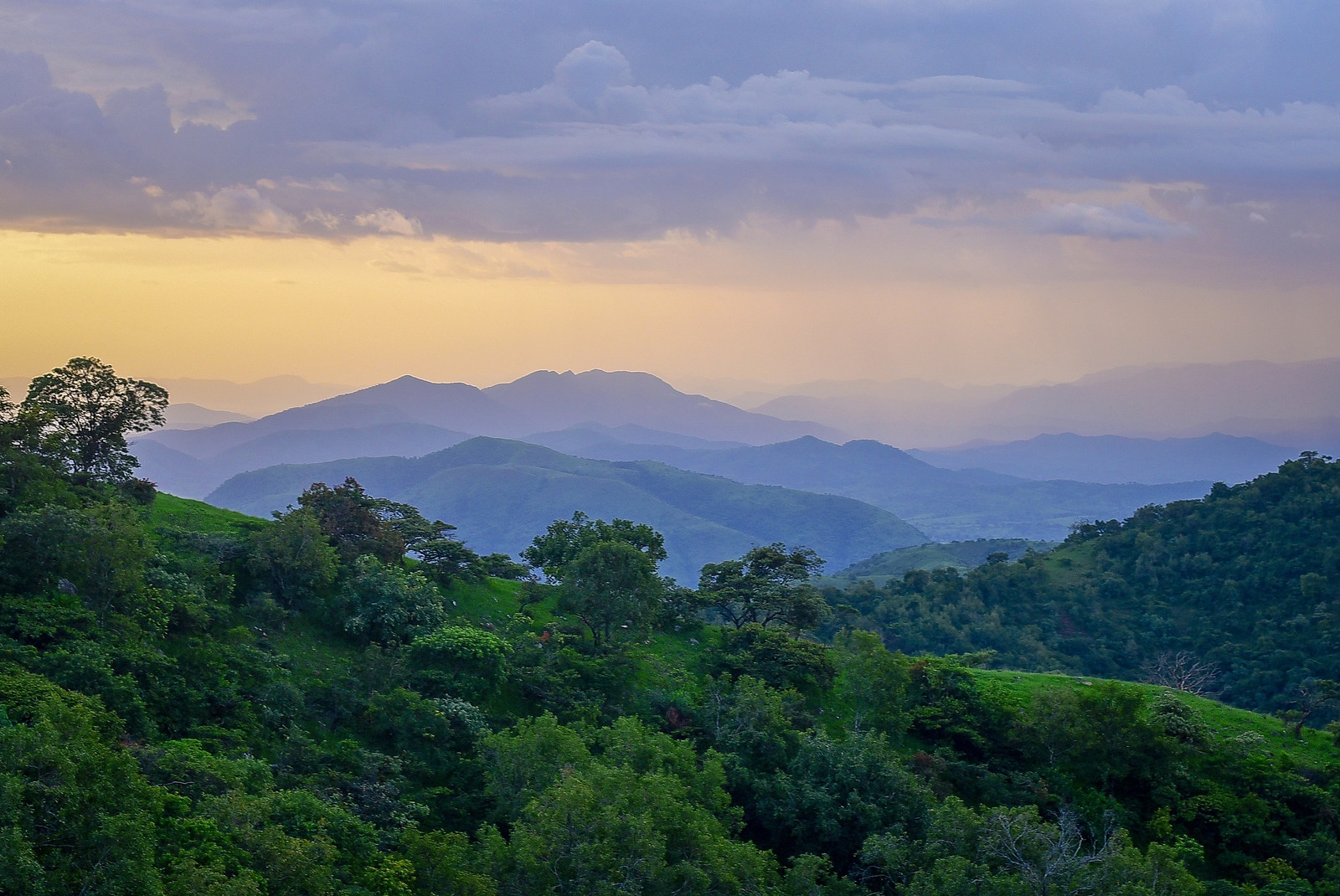
The highlands like Bamenda Highlands — cooler temperatures, misty mornings, and a different vibe compared to coastal or forest areas.
-
The hills and mountains around the western volcanic line (for instance the Bakossi Mountains and Mount Kupe) — great for trekking, coffee/cocoa plantations, and incredible landscapes.
Savannah & Northern Landscapes
-
The northern savannah and parklands — where you can get a taste of African savannah, see wildlife, and experience a very different side of Cameroon’s geography.

In short: what “most beautiful” means depends on what you love — if you’re into thick jungles and biodiversity, head to rainforest zones; if you love mountains and cool climate, highlands are for you; if you want savannah and safari vibes, North and parklands serve that beautifully.
Which method ensures personal information is more secure, agents or the government site?
When applying for a visa from abroad, you’re often asked to share sensitive personal data: passport number, full name, travel dates, contact info, sometimes payment card details. That’s why the question “Which is more secure — using a government’s portal or using an agent site?” isn’t just theoretical — it’s central to protecting your identity and travel safety.
What about using an agent site like cameroon‑evisa.org?
Some travelers consider using an agent in hopes of smoother process, more support, or avoiding technical glitches. Here’s what the agent site claims to offer, and what independent reviews flag as concerns.
What cameroon‑evisa.org claims
Based on the publicly visible content of cameroon‑evisa.org:
-
They list a variety of visa categories beyond short‑stay: tourist, business, transit, long‑stay, urgent visas, family‑visit visas, transit visas, etc. The site menu shows these as “Visa Types.”
-
They provide an “Application Form,” status checking (enter order ID & passport number to track visa status), which suggests they handle the full application process on behalf of the traveler.
-
According to an agent scan (on one site), cameroon‑evisa.org has a valid ssl certificate — so data transmitted between you and the site is encrypted (at least at the basic level).
-
For someone who finds the portal confusing — or had earlier trouble (payment issues, no confirmation) — an agent might seem like a helpful “hands‑on” solution.
Why a government-run portal tends to be safer
-
Frequent technical glitches & payment failures
-
The government portal has been plagued with error messages, failed transactions, and online‑payment problems. Many users report their bank cards being debited but visa not issued.
-
Because of these glitches, even legitimate applicants can get stuck, with a paid application not processed, which creates uncertainty and stress.
-
-
Delays or unpredictable processing despite “online convenience”
-
Some travellers have waited far longer than the stated processing times. Even after successful payment, responses or approval might be delayed weeks beyond the normal timeframe.
-
This unpredictability undermines the convenience advantage of the online method — especially if you have fixed travel dates.
-
-
Limited and sometimes incompatible payment options for international users
-
The site at times only accepts certain payment methods (e.g. select card types), making it difficult for applicants from many countries to complete payment.
-
For travellers abroad using international cards, this limitation can block or complicate their application process significantly.
-
-
Possible security and system‑design vulnerabilities inherent to e‑government portals worldwide
-
Studies of e‑government portals globally show many public‑sector sites have not fully adopted “international best practices” in web‑security, meaning there can be risks in how data is stored, processed, or protected.
-
Helpful Travel Advice for a Seamless Experience
Since you’re coming all the way from Costa Rica, here are some practical tips to make your Cameroon trip smoother:
-
Apply well in advance: Give yourself plenty of time (especially if using standard processing), in case there are delays or requests for additional documents.
-
Double-check all documents: Passport validity, return flight ticket, accommodation proof, vaccination certificates — ensure everything matches correctly and scans are legible.
-
Travel during the dry season if possible: Roads and national parks are more accessible; weather is more predictable, and you’ll avoid heavy rains that may disrupt travel.
-
Make copies of important documents (passport, visa approval, flight tickets) — keep both digital and paper versions.
-
Respect local customs and culture: Dress modestly, especially in conservative or rural areas. Cameroon is culturally rich and diverse, so being respectful helps build good interactions.
-
Be prepared for regional climate variation: Depending on where you go — rainforest, savannah, highlands — pack accordingly (light clothes, rain jacket, sun protection, etc.).
-
Plan your arrival through major airports: Use Douala or Yaoundé for international entry to avoid complications, and ensure your eVisa authorization aligns with your airport of entry.

Conclusion
Planning a trip from Costa Rica to Cameroon can seem like a big step — but with “Cameroon e-Visa for Citizens of Costa Rica,” the journey becomes much easier. Once you know which visa type fits your travel plan, prepare your documents carefully, and pick the right season for your trip, you can look forward to amazing landscapes, warm culture, dense rainforests, and unforgettable experiences.
Cameroon’s diversity — from mountains to savannah, from rainforest to coastal zones — makes it a destination that surprises and delights. So if you’ve been dreaming of crossing continents and exploring West-Central Africa, now might just be the time.
FAQs (for Cameroon e-Visa)
Q: Can I travel on short notice using the express eVisa?
Yes — if you choose the express option (when available), your eVisa can be processed faster (super-rush ~ 5–7 working days).
Q: Do I need proof of accommodation?
Yes — either a hotel booking or a letter of invitation if staying with someone. Accommodation proof is a must for the application.
Q: Can I get a visa on arrival?
Generally, no eVisa must be arranged in advance. Relying on a visa on arrival is risky and not recommended.
Q: What if my eVisa gets delayed or I don’t get confirmation?
It’s best to avoid last-minute travel plans. If confirmation doesn’t come through, contact the visa authorities or consider reapplying (if time allows).
Q: Can I stay long-term or extend my stay in Cameroon?
Extensions are uncertain — it’s better to apply for the correct type (short stay or long stay) based on your trip length.

