
Recycling is important for keeping our planet clean. Many people use plastic bottles, especially PET bottles, for drinks and other products. But when these bottles get dirty or mixed with trash, they can cause problems in recycling. Industrial recycling lines, like the ones at MOOGE, have become very good at handling these contaminated bottles. They use special machines and smart technology to make sure that the PET bottles are cleaned properly. This helps to keep our recycling process effective and helps the environment.
How Industrial Recycling Lines Ensure Maximum Purity in Contaminated PET Bottles
When it comes to recycling PET bottles, MOOGE’s industrial pet bottle recycling line play a crucial role in ensuring maximum purity. The first step is to sort the bottles. Machines equipped with cameras can quickly identify different types of plastic and separate the PET bottles from other materials. This is very important because mixing different plastics can ruin the quality of the recycled material. After the sorting, the bottles go through a washing process. They are cleaned with water and special detergents to remove dirt, labels, and glue. This is where the precision of the machines shines. Some machines even use high-pressure jets to blast away stubborn contaminants. Once cleaned, the bottles are shredded into small pieces. These small pieces are easier to process and recycle. The entire process is designed to minimize human contact, which helps in reducing contamination. As a result, the recycled PET is of high quality and can be used to make new bottles or other products. This not only saves energy but also reduces waste. The more pure the recycled material is, the better it is for the environment. Industrial recycling lines like those at MOOGE are essential in achieving this goal.
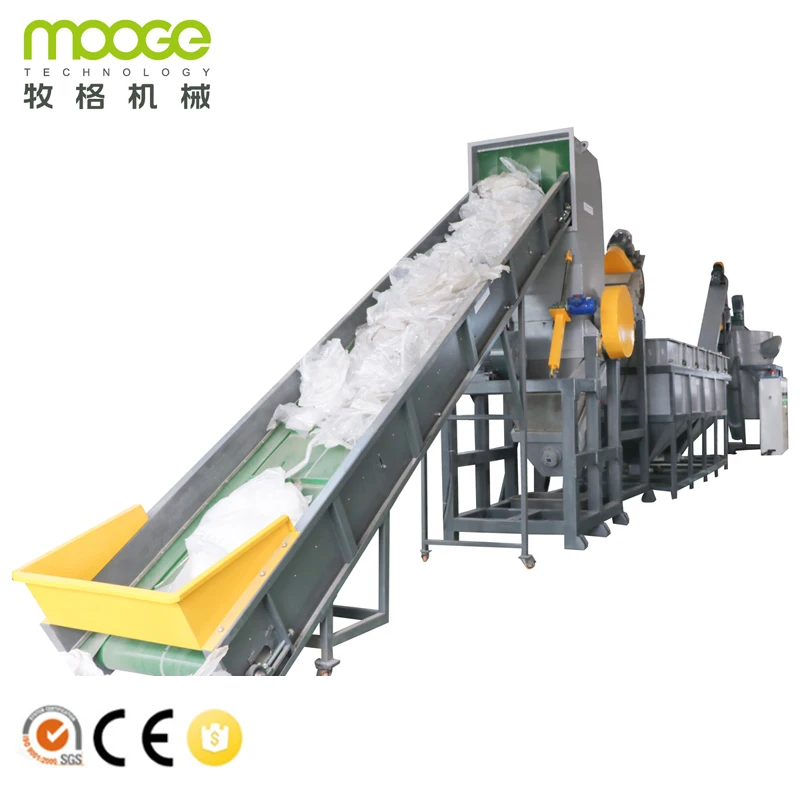
What Are the Common Contaminants in PET Bottles and How Are They Managed
Many things can contaminate PET bottles, making them tricky to recycle. Common contaminants include food residue, labels, caps, and even other types of plastics. For example, if a bottle has leftover soda or juice inside, it can spoil the entire batch of recycled material. Labels can also be a big problem. They are usually made from a different type of plastic or paper, which makes it hard to recycle the PET. To manage these contaminants, MOOGE’s Pet bottle crushing machine use several smart techniques. First, during the sorting process, workers or machines can spot bottles that are not clean enough. Those bottles go back for another wash or are removed from the recycling line. Next, the washing step uses hot water and special chemicals to break down food residues. This helps ensure that all the contaminants are gone before the bottles are shredded. Sometimes, a second washing cycle is needed, especially for bottles that held sticky liquids. The labels are often removed during the washing process as well. Advanced machines even have the ability to separate labels from bottles using air jets. This way, the PET is kept as clean as possible. Managing these contaminants is crucial for making high-quality recycled material, and MOOGE excels at it. By carefully handling these issues, the recycling process becomes more effective and beneficial for the environment.
What Are the Cost Benefits of Using High-Precision Recycling Lines for PET Bottles
When we talk about recycling PET bottles, we mean taking old plastic bottles and turning them into new products. This is important because it helps keep the environment clean and saves resources. High-precision recycling lines, like those from MOOGE, are special machines that do this job very well. They are designed to handle contaminated bottles, which means bottles that might have food residue, labels, or other materials that can make recycling harder.
Using high-precision recycling lines has many cost benefits. First, they can sort and clean the bottles more effectively. This means that less time and money are spent on fixing mistakes. When recycling lines work well, they reduce waste. If a recycling line doesn’t work properly, it might throw away more materials, which costs money. High-precision machines can recycle more bottles and create higher-quality recycled materials. This quality is important because companies want to use recycled materials that look and work just like new materials. When companies use high-quality recycled PET, they can save money because they don’t have to buy as much new plastic.
Another cost benefit is that high-precision recycling lines can lower energy use. They are built to work faster and more efficiently, which means they use less electricity and other resources. This is good for the planet and helps companies save on their energy bills. For businesses that focus on recycling, investing in high-precision lines can lead to big savings in the long run. They can recycle more bottles, create better materials, and spend less on energy. All these benefits help companies make more money and keep our world cleaner.

How to Identify the Best Industrial Recycling Services for Contaminated PET Bottles
Finding the right industrial recycling services for contaminated PET bottles is very important. Not all recycling services are the same. Some might not handle dirty bottles well, which can lead to bad results. When looking for the best recycling services, there are a few things to keep in mind.
First, check if the company uses modern technology. Companies like MOOGE are known for their high-precision recycling lines that can deal with contaminated bottles effectively. Modern technology means that the recycling service can better clean and sort the bottles. This leads to higher quality recycled materials.
Next, look for a company that has a good reputation. You can do this by reading reviews or asking other businesses about their experiences. A good recycling service should have a history of doing a great job. They should be able to show you how they process bottles and what their results are.
Another important factor is the range of services they offer. Some recycling companies might only handle certain types of bottles or materials. It’s best to choose a service that can handle various kinds of contaminated PET bottles. This way, you know they have the experience to handle your specific needs.
Lastly, consider the location of the recycling service. It’s better to choose a local company if possible. This can save time and money on transportation. A good recycling service should be easy to work with and communicate with. They should be open to answering your questions and providing information about how they recycle bottles. By keeping these tips in mind, you can find the best industrial recycling service for your contaminated PET bottles.
Where to Source Quality Recycled PET from Trusted Industrial Recycling Lines
Sourcing quality recycled PET is essential for companies that want to use sustainable materials. Recycled PET comes from old bottles that have been cleaned and processed. This material is important because it helps reduce the need for new plastic, which is better for the environment. When looking for trusted industrial recycling lines, like those offered by MOOGE, there are several steps to follow to ensure you get quality recycled PET.
First, research recycling facilities that specialize in PET. Look for companies that have a strong track record of producing high-quality recycled materials. You can often find this information on their websites or by asking for references from other customers. A company that has been in business for a long time is likely to have established good processes for recycling.
Next, ask about the recycling process they use. Trusted pet bottle flakes machine should be able to explain how they handle contaminated bottles and what steps they take to ensure the recycled PET is clean and of high quality. A good recycling company will have advanced technology and methods to remove contaminants, such as labels and leftover food.
Another important factor is the certifications and standards that the recycling facility meets. Many companies in the recycling industry follow specific guidelines and standards to ensure their products are safe and effective. Look for certifications that show the facility meets or exceeds industry standards. This is a good sign that you are sourcing from a reliable place.
Lastly, consider the pricing and availability of the recycled PET. While quality is crucial, it’s also important to find a balance between cost and quality. Contact multiple suppliers to compare prices and see who can provide you with the best deal without compromising quality. By following these steps, you can source high-quality recycled PET from trusted industrial recycling lines, contributing to a more sustainable future.

