
The Cold Chain Has a Real Infrastructure Problem
India’s cold storage capacity is growing, but not fast enough. Farmers lose a large chunk of produce every year because there simply aren’t enough functional storage facilities close to production areas. Pharmaceutical companies face similar pressures — temperature-sensitive drugs need compliant storage from the moment they leave the factory. So does frozen food, dairy, seafood, and a dozen other categories that keep expanding.
What most people don’t realize is how much experienced prefabricated structures manufacturers contribute to solving this gap. When a food distributor in a Tier-2 city needs a cold room operational in six weeks, conventional construction won’t deliver. Pre-engineered, factory-built components can.
Why Prefab Works Better for Cold Storage Than Traditional Construction
A cold storage facility isn’t just a big box. It needs precise insulation, vapor barriers, controlled airflow, and structural integrity that holds up through temperature cycles. Getting all of that right with traditional brick-and-mortar methods is slow and expensive.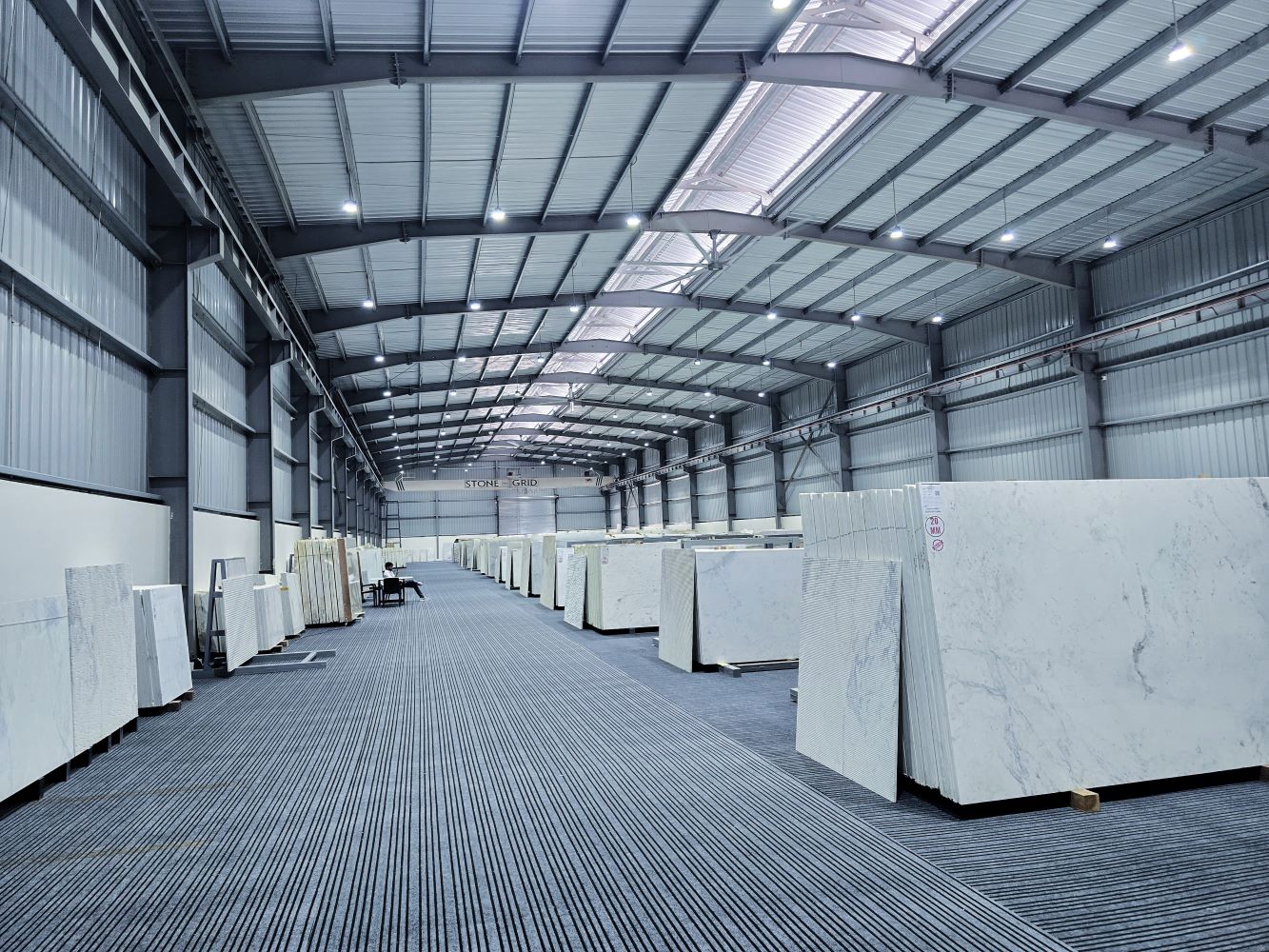
Prefabricated components — insulated panel systems, pre-engineered steel frames, modular flooring — arrive on-site already fabricated to spec. That cuts construction time significantly. A project that might take six months using conventional methods can often be completed in eight to ten weeks with a prefab approach. For a business waiting to move perishable inventory, that difference matters.
There’s also the quality consistency angle. Factory-controlled production means tolerances stay tighter. Insulation panels cut to a controlled environment fit better than those cut on a muddy construction site. That directly affects the facility’s energy efficiency over its operating life.
What Expansion Actually Looks Like on the Ground
When a business needs to scale cold storage capacity, the bottleneck usually isn’t money or land. It’s time and construction quality. Prefab addresses both.
A company operating a regional distribution hub can add a new cold zone — say, a dedicated area for fresh produce that needs slightly warmer conditions than frozen goods — without shutting down existing operations. Modular structures can go up in phases. New bays can be added as volume grows without demolishing and rebuilding.
This modular flexibility also helps with compliance. Food safety regulations and pharma storage guidelines have specific requirements around temperature control and structure integrity. Pre-engineered systems can be designed from the start to meet those requirements, rather than trying to retrofit a general-purpose building.
What Good Prefab Manufacturers Actually Bring to the Table
Not all manufacturers are the same, and this matters more than people often acknowledge.
The technical knowledge required for a functional cold storage structure is different from, say, a warehouse or office building. Thermal bridging, condensation management, door sealing systems, floor loading for heavy forklift traffic — these are specialized details. A manufacturer without direct cold storage experience will get some of them wrong, and the consequences show up months later as energy costs climb or insulation fails.
The best manufacturers work through the engineering before anything gets fabricated. They’re not just cutting panels to size; they’re involved in understanding the facility’s operating temperature range, the products being stored, the local climate, and the logistics flow inside the building.
Why Shiv Shankar Techno
Shiv Shankar Techno has built a track record working with clients across cold chain, warehousing, and industrial sectors. The team understands that a cold storage project isn’t finished when the structure goes up — it’s finished when the temperature holds steady, the insulation performs as calculated, and the facility passes inspection.
The company focuses on getting the technical details right early. That means fewer surprises during construction and fewer problems after handover. Clients come back for expansions because the first project worked as promised.
For businesses evaluating manufacturers, that consistency is what matters most. A prefab structure should outlast its payback period by years, not months.
Conclusion
Cold storage infrastructure in India is under real pressure to keep pace with how food, pharma, and FMCG supply chains are growing. Prefab construction offers a practical path to expand faster and build more reliably. The manufacturers who understand cold storage — not just construction — are the ones worth talking to early in any project.
Shiv Shankar Techno fits that description. If you’re planning a new cold room, an expansion, or a full facility, it’s worth getting their input before the design is locked in.
FAQs
How long does it take to build a prefabricated cold storage facility?
It depends on size and complexity, but most mid-scale projects using pre-engineered components can be completed in eight to twelve weeks. Smaller modular units can go up even faster. Timeline varies with site conditions and local approvals.
Is prefabricated cold storage as durable as conventional construction?
Yes, and in some ways more so. Factory-fabricated components are produced under controlled conditions with consistent quality checks. For cold storage specifically, pre-engineered insulated panel systems often outperform site-built alternatives in long-term thermal performance.
Can prefab cold storage structures be expanded later?
That’s one of the main advantages. Modular systems are designed to be extended. New bays or sections can be added without disrupting operations in the existing facility, which makes it easier to scale capacity in line with business growth.
What temperatures can prefabricated cold storage handle?
A well-designed prefab cold storage can handle a wide range — from chilled storage around 2–8°C for pharmaceuticals and fresh produce, to deep-freeze environments at -18°C to -25°C for frozen foods. The insulation specification and refrigeration system are designed to match the target temperature.
How do I choose the right prefabricated structures manufacturer for cold storage?
Look for a manufacturer with specific experience in cold storage, not just general industrial construction. Ask about their insulation panel specifications, how they handle thermal bridging, and whether they’ve built facilities for your industry. References from similar projects matter more than general credentials.

