

Curly hairstyles are timeless, versatile, and stylish, making curly human braiding hair one of the most popular choices for protective styles and fashion-forward looks. However, many people struggle with knowing when their braiding hair has reached the end of its life. Keeping braids or curly extensions for too long can damage natural hair, cause scalp issues, and make styles look dull.
In this guide, you’ll learn how long curly human braiding hair typically lasts, signs it needs replacement, and tips to extend its life, along with expert insights and common questions people ask before reinstalling their next style.
Understanding the Lifespan of Curly Human Braiding Hair
Human hair braiding extensions generally last longer than synthetic options because they maintain softness, bounce, and natural movement. Still, longevity depends on several factors:
- Hair quality
- Installation method
- Daily maintenance
- Weather conditions
- Styling frequency
Typically, curly human braiding hair stays fresh for4 to 8 weeks, depending on how well it’s maintained. Some people keep styles longer, but this can lead to tangling, buildup, and strain on natural hair.
The key is to monitor both hair condition and scalp health.
Signs It’s Time to Replace Your Braiding Hair
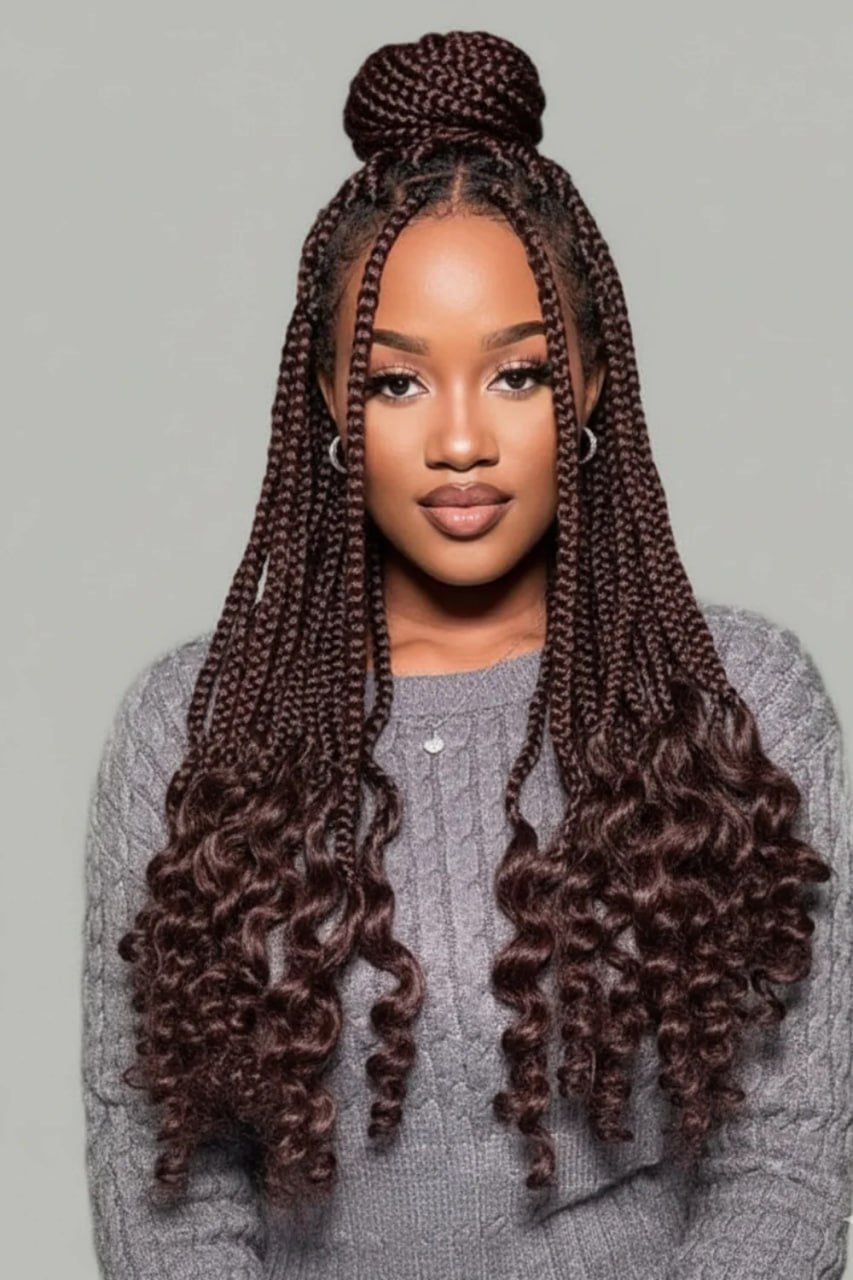
1. Excessive Tangling and Matting
Curly textures naturally intertwine, but when curls start forming knots constantly, even after detangling, the hair fibers are wearing down.
Matting makes maintenance difficult and reduces the overall look of your braids or extensions.
2. Loss of Curl Definition
Healthy curls remain bouncy and defined. When curls become frizzy, dry, or limp despite conditioning, it’s a clear signal the hair has aged.
This applies whether you’re using braiding extensions or styling curly hair wigs and curly installations.
3. Product and Dirt Buildup
Protective styles can trap oils, sweat, and styling products. If washing no longer refreshes your look or your scalp feels itchy, it’s time to remove and reinstall.
Healthy scalp equals healthy hair growth.
4. Fraying or Loose Braids
After several weeks, natural hair grows and braids loosen. Loose installations may cause tension or breakage if left untouched.
Reinstalling fresh hair keeps styles neat and safe.
5. Hair Feels Dry and Rough
Even high-quality hair eventually loses moisture retention. When conditioning treatments stop improving softness, replacement becomes necessary.
How Proper Care Extends Wear Time
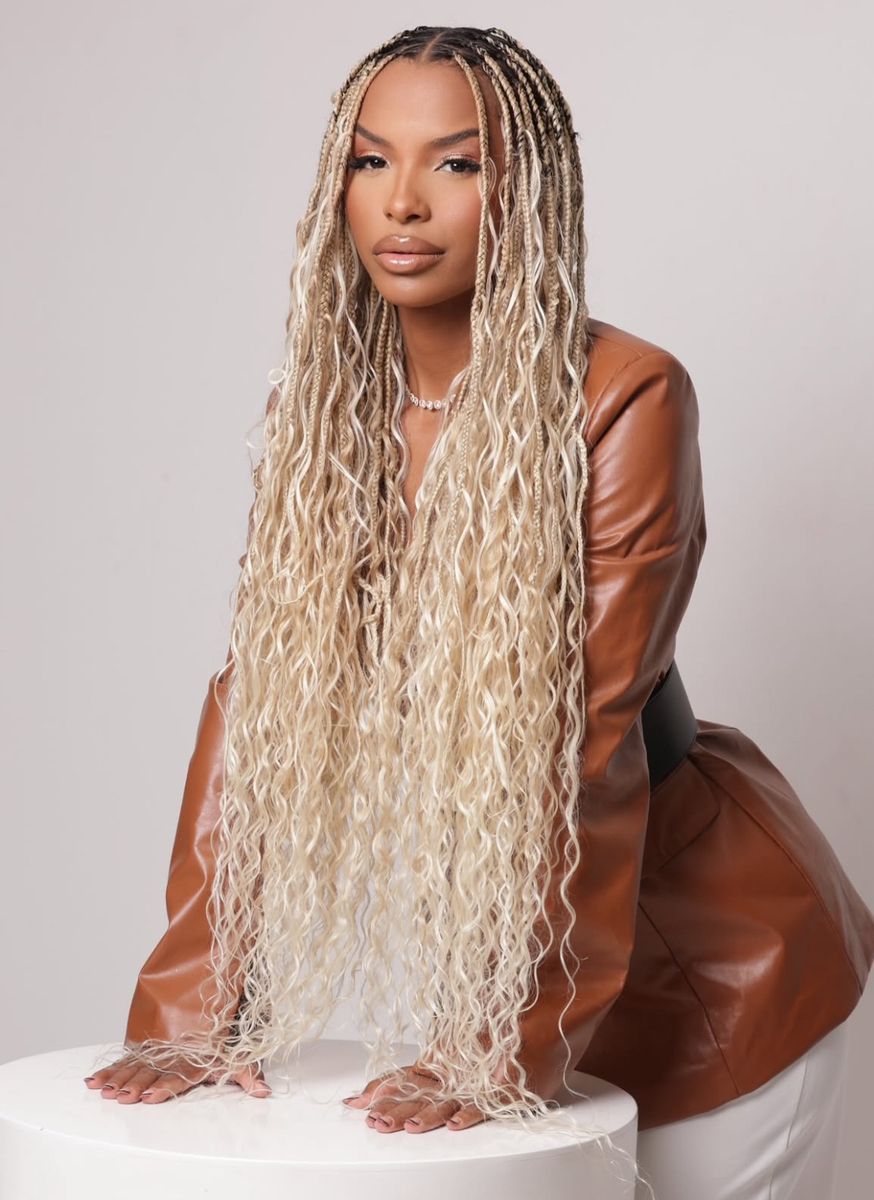
Good maintenance can stretch your hairstyle’s life without compromising scalp health.
Moisturize Regularly
Light leave-in conditioners help maintain softness and reduce frizz in afro curly hair textures.
Protect Hair at Night
Sleeping with a silk or satin bonnet reduces friction, preventing frizz and tangles.
Gentle Cleansing
Wash your scalp carefully every 2–3 weeks to remove buildup without disturbing curls.
Avoid Heavy Styling Products
Heavy creams cause buildup, dull curls, and shorten style lifespan.
These care methods also help preserve styles like human hair afro wigs, curly installs, or curly lace front wig looks.
Pros, Cons, and Common Questions About Replacement Timing
Many people wonder if replacing braiding hair too soon wastes money, while others worry about leaving it installed too long.
Pros of timely replacement include:
- Cleaner scalp
- Reduced hair breakage
- Fresh, polished look
- Better hair growth support
- Easier maintenance
Cons of waiting too long:
- Increased tangling
- Dull appearance
- Scalp irritation
- Possible hair damage
A common question is whether braiding hair can be reused. Human hair extensions sometimes can, but curly textures often lose curl pattern after removal and restyling. Reuse is possible only if hair remains soft, detangled, and intact.
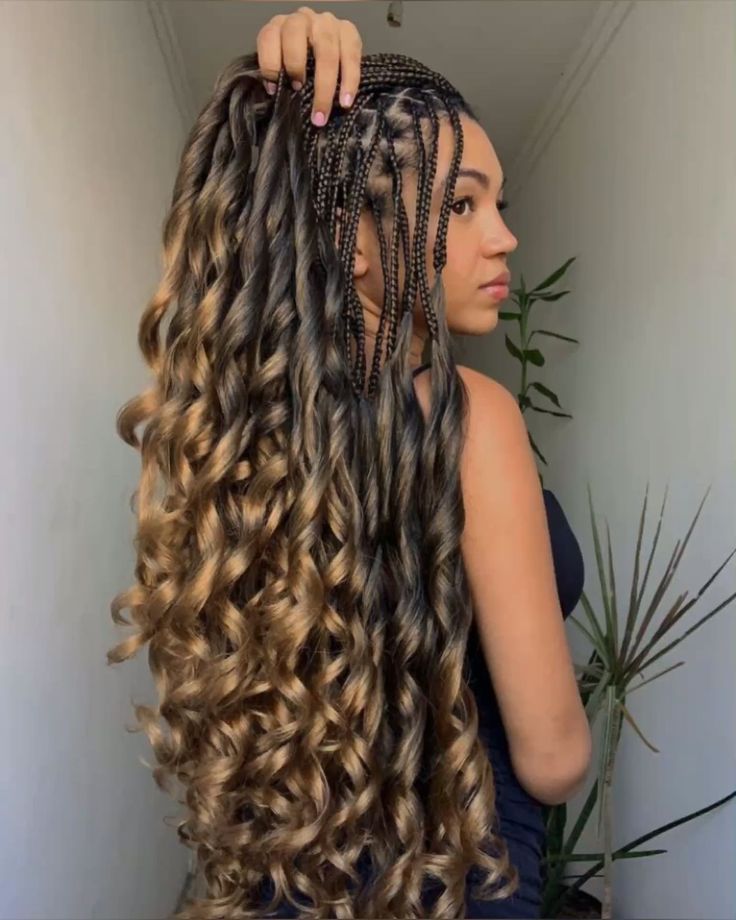
Another question is whether curly human hair lasts longer than wigs. In reality, longevity depends more on maintenance than format. Whether wearing braids or curly human hair wigs, care practices determine durability.
People also ask how often they should take breaks between installations. Experts recommend allowing your scalp to rest for at least one to two weeks between protective styles.
How Replacement Timing Impacts Hair Health
Leaving braids installed too long can cause tension at the roots, buildup, and scalp discomfort. On the other hand, replacing styles too frequently without rest can also stress hair follicles.
Finding balance is essential. Most professionals suggest keeping curly installations between 4–6 weeks for optimal hair health.
Protective styles should support growth, not create hidden damage.
Choosing Fresh Hair for Your Next Style
When replacing your braiding hair, consider upgrading to higher-quality options that maintain curls longer. Premium textures blend well with natural hair and style easily.
Many people also rotate between braids, wigs, and curly installs to reduce scalp stress while maintaining style versatility.
Mixing looks — from braids to curly lace front wig styles — keeps your routine fresh and reduces overuse of a single method.
Conclusion
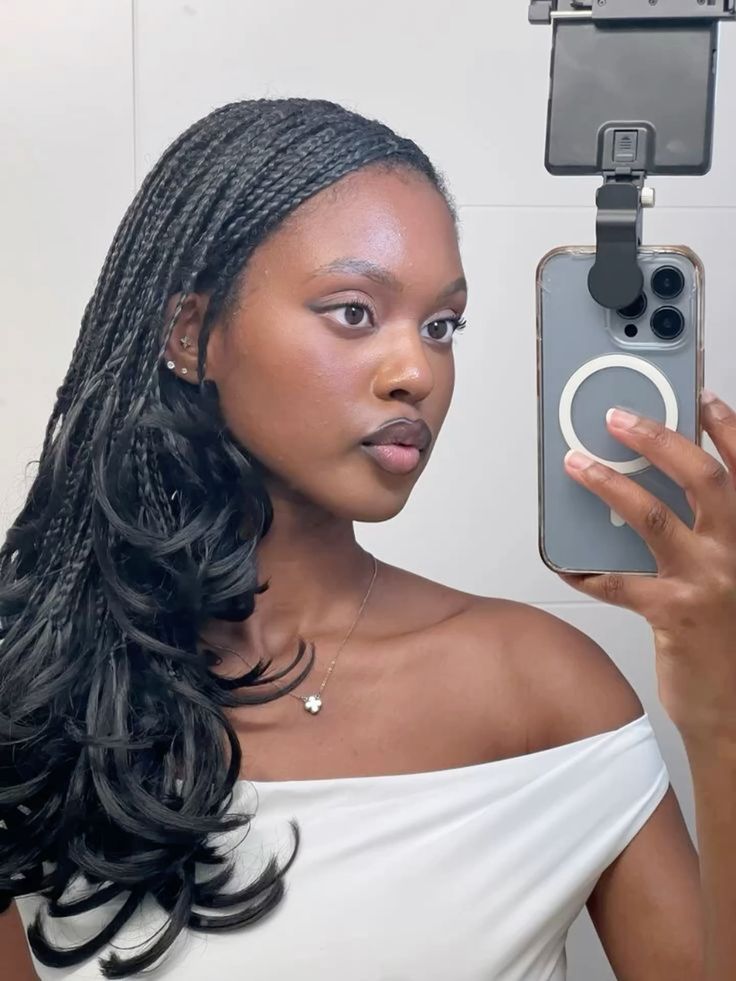
Knowing when to replace curly human braiding hair helps maintain both style and scalp health. Watch for signs like tangling, dull curls, buildup, and loosening braids. With proper care, most styles stay fresh for four to six weeks, but replacement timing ultimately depends on maintenance and hair condition.
Healthy hair routines balance protection, cleanliness, and style refreshment. When curls start losing life or maintenance becomes difficult, it’s a sign a new installation will restore your look and keep your natural hair thriving.

