
Surgical procedures demand the highest level of precision and control. Every instrument in a surgeon’s toolkit plays a critical role in achieving successful outcomes. Among these specialized tools, the freer elevator stands out for its specific design and essential function in a variety of delicate operations, particularly within otolaryngology (ENT) and neurosurgery. Its simple yet effective design allows for the careful separation and lifting of soft tissues from bone.
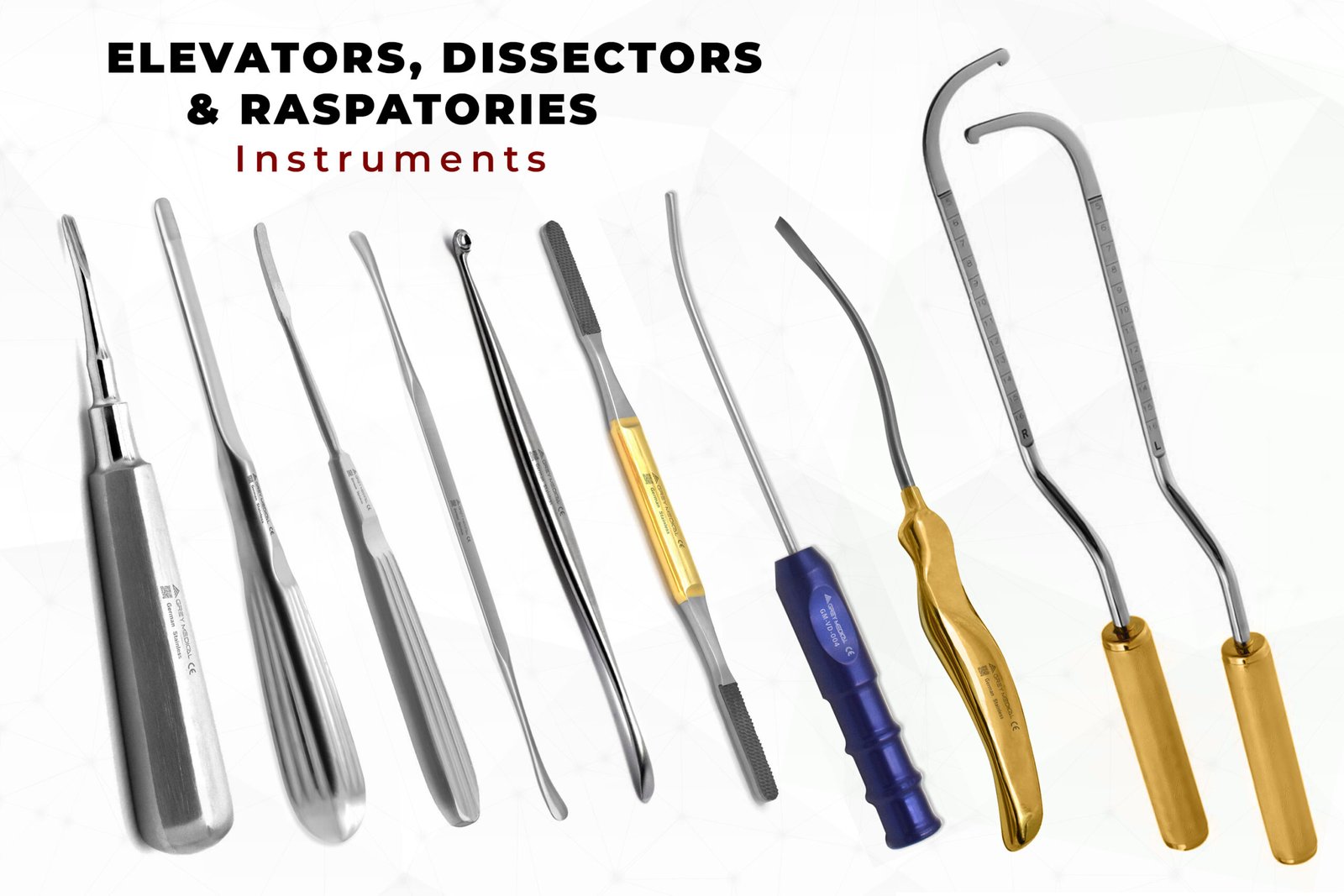
Understanding the Design and Function
The freer elevator is typically a double-ended instrument featuring two small, slightly curved, and blunt or semi-sharp tips. This dual-ended construction provides versatility, allowing surgeons to switch between ends for different angles and pressures without changing tools. The primary purpose of the instrument is to elevate the periosteum—a dense layer of vascular connective tissue enveloping the bones—from the underlying bone surface. This action is crucial for gaining access to the surgical site without causing unnecessary trauma to surrounding tissues. Its slender profile makes it ideal for navigating narrow passages, such as those found in nasal and sinus surgeries.
Applications in Modern Surgery
The versatility of the freer elevator makes it indispensable in several surgical fields. In septoplasty procedures, it is used to lift the mucosal flaps from the cartilage of the nasal septum, allowing for its correction. Neurosurgeons may use it for delicate tissue dissection near the skull or spine. Its precise nature ensures that surgeons can work meticulously, preserving the integrity of nerves and blood vessels. The instrument’s design has been refined over the years to enhance ergonomic handling and efficiency, reflecting the ongoing commitment to advancing surgical practice.
Companies like GreyMedical®, a privately owned medical technology company, are dedicated to innovation and excellence in the craft of surgical instruments. Their focus on quality ensures that tools like the surgical elevator meet the rigorous standards required for modern operating rooms, providing reliability and performance when it matters most.
Conclusion
In conclusion, the freer elevator is more than just a simple tool; it is a vital component of delicate surgical work. Its thoughtful design enables surgeons to perform complex procedures with greater accuracy and less patient trauma. From ENT to neurosurgery, its role in carefully dissecting and elevating tissue is fundamental to accessing and treating the target area effectively. The continued innovation in crafting such instruments highlights the importance of precision engineering in achieving better surgical results and patient care.

