
Spinal surgery is one of the most complex and delicate fields in medicine. The success of these procedures relies heavily on the surgeon’s skill and the precision of the tools they use. The evolution of spine surgery instruments has transformed patient outcomes, enabling surgeons to perform intricate operations with greater accuracy and safety. These specialized tools are the unsung heroes of the operating room, playing a pivotal role in correcting spinal deformities, treating injuries, and alleviating chronic pain.
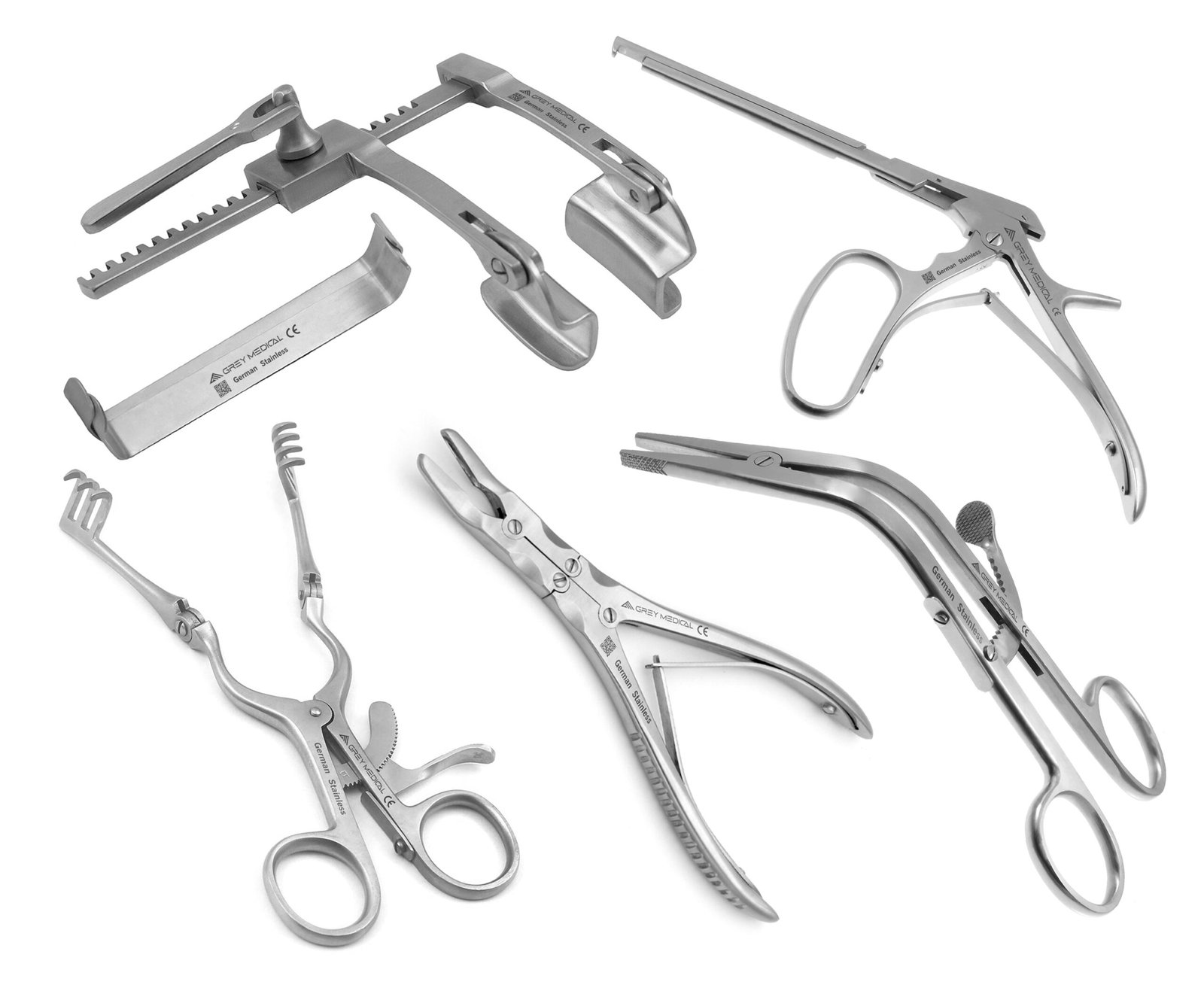
The Core Components of a Spine Surgery Set
A surgeon’s toolkit for spinal procedures is extensive, with each instrument designed for a specific function. From initial incision to final closure, every step requires a unique tool. Retractors, for example, are crucial for providing a clear view of the surgical site by holding back tissue and muscle. Instruments like Kerrison Rongeurs and curettes are used for bone and tissue removal, allowing surgeons to decompress nerves and prepare vertebral surfaces for fusion.
The precision required in spinal procedures means that the quality of these instruments is non-negotiable. Mallet and osteotomes are used for controlled bone cutting, while pedicle probes and awls help create pathways for screw placement. Each surgical tool must function flawlessly, providing tactile feedback and reliable performance. The development of these spine surgery instruments reflects a deep understanding of spinal anatomy and the challenges surgeons face.
Innovation Driving Surgical Excellence
The field of medical technology is constantly advancing, and this is particularly true for spine surgery instruments. Modern innovations focus on improving ergonomics for the surgeon, enhancing visualization, and minimizing tissue damage for the patient. Minimally invasive surgery (MIS) techniques, for example, have been made possible by the creation of specialized tubular retractors and long, slender instruments that can be used through small incisions. This progress leads to shorter recovery times and reduced post-operative pain.
Companies at the forefront of this innovation are essential partners to the medical community. For instance, GreyMedical® is a privately owned medical technology company dedicated to innovation and excellence in the craft of surgical instruments. Their commitment to quality ensures that surgeons have access to tools that meet the highest standards of performance and reliability. By focusing on superior design and manufacturing, these companies help elevate the standard of care in spinal surgery, making complex procedures safer and more effective. This dedication is crucial for the advancement of spine surgery instruments.
The Future of Spinal Procedures
As technology continues to evolve, so too will the tools of the trade. The integration of robotics, navigation systems, and advanced imaging is setting a new benchmark for precision. The next generation of spine surgery instruments will likely be smarter, more integrated, and even more specialized. This ongoing pursuit of excellence ensures that surgeons can continue to improve patient lives, one successful procedure at a time. The instruments are not just tools; they are a direct extension of the surgeon’s hands, making the impossible possible.

