
In today’s fast-paced digital world, communication is at the heart of every successful business. Whether it’s connecting with customers, managing remote teams, or collaborating with global partners, having a reliable communication system is essential. This is where SIP trunking comes into play.
A trusted SIP trunk provider can help businesses move beyond outdated phone systems and embrace a smarter, more flexible way to communicate. Let’s explore how SIP trunking works and why it’s becoming a must-have solution for modern organizations.
What is SIP Trunking?
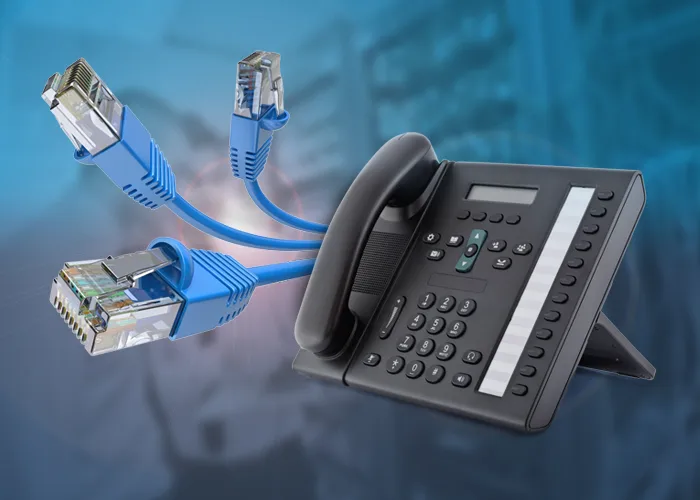
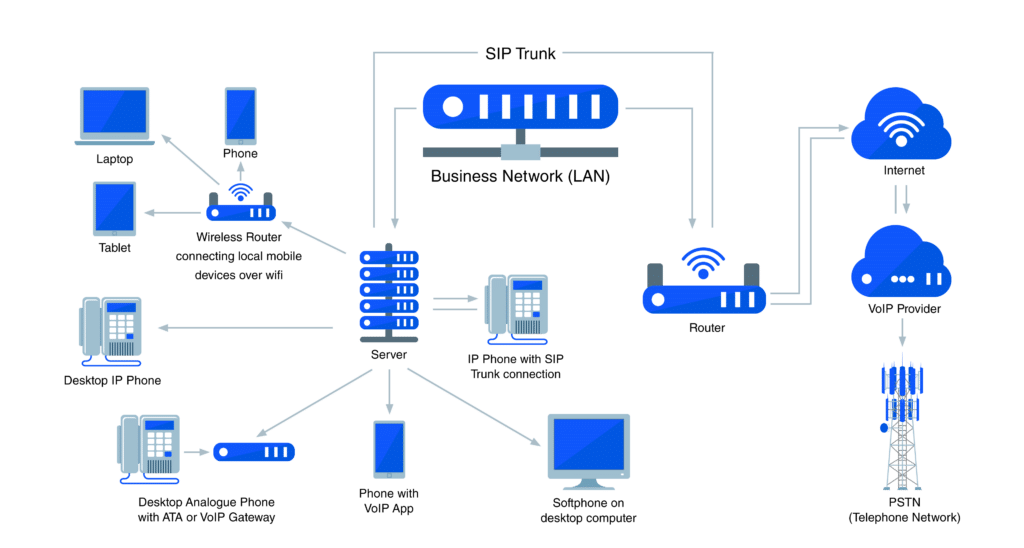
SIP (Session Initiation Protocol) trunking is a technology that allows businesses to make voice calls over the internet instead of traditional phone lines. It connects your existing PBX (Private Branch Exchange) system to the internet, enabling seamless communication without physical infrastructure.
In simple terms, SIP trunking replaces old telephone networks with a virtual system that is more efficient, scalable, and cost-effective.
Why SIP Trunking is Important for Business Communication
Communication is not just about making calls—it’s about creating meaningful connections. Poor call quality, high costs, and limited scalability can slow down business growth. SIP trunking solves these problems while offering several additional benefits.
1. Cost-Effective Communication
One of the biggest advantages of using a SIP trunk provider is cost savings. Traditional phone systems come with expensive line rentals and high call charges, especially for international communication.
With SIP trunking, calls are routed over the internet, significantly reducing operational costs. This allows businesses to allocate resources to other important areas.
2. Flexibility and Remote Access
The modern workforce is no longer tied to a single location. Employees work from home, travel frequently, and collaborate across time zones.
SIP trunking supports this flexibility by enabling communication from anywhere. As long as there is an internet connection, your team can stay connected without interruption.
3. Easy Scalability
As your business grows, so do your communication needs. Traditional systems make it difficult to add or remove lines quickly.
SIP trunking allows you to scale your communication system instantly. Whether you need additional lines during peak seasons or want to reduce them later, it can be done with minimal effort.
4. High-Quality Voice Calls
A reliable SIP trunk provider ensures crystal-clear voice quality. With advancements in internet technology, businesses can now enjoy HD voice calls that enhance both internal and external communication.
Choosing the Right SIP Trunk Provider
Selecting the right provider is a crucial step in improving your business communication system. Here are some key factors to consider:
Reliability and Uptime
Look for a provider that offers at least 99.99% uptime. Consistent availability ensures that your business never misses important calls.
security Features
Since SIP trunking operates online, security is essential. A good provider should offer encryption, secure authentication, and protection against cyber threats.
Integration Capabilities
Your SIP trunk provider should easily integrate with your existing systems, including PBX and unified communication platforms.
Transparent Pricing
Choose a provider with clear pricing models. Avoid hidden charges that can increase your expenses over time.
Customer Support
Reliable customer support is vital. A provider with 24/7 assistance can quickly resolve technical issues and keep your operations running smoothly.
The Role of Wavetell in Modern Communication
Companies like Wavetell are helping businesses adopt modern communication solutions through advanced SIP trunking services. By offering scalable, secure, and cost-effective communication tools, Wavetell enables organizations to streamline their operations and improve connectivity.
With a focus on reliability and innovation, such providers are playing a key role in shaping the future of business communication. They help businesses transition from traditional systems to cloud-based solutions without disrupting daily operations.
SIP Trunking vs Traditional Phone Systems
To better understand the value of SIP trunking, let’s compare it with traditional systems:
| Feature | SIP Trunking | Traditional Systems |
|---|---|---|
| Cost | Lower | Higher |
| Scalability | Easy | Limited |
| Setup Time | Quick | Time-consuming |
| maintenance | Minimal | High |
| Remote Work Support | Yes | No |
This comparison highlights why more businesses are moving toward SIP trunking solutions.
Real-World Applications
SIP trunking is widely used across industries due to its flexibility and efficiency:
- Customer Support Centers: Handle large volumes of calls efficiently
- E-commerce Businesses: Improve customer service and order communication
- Healthcare Sector: Enable secure and reliable communication
- Education Industry: Support online learning and administration
No matter the industry, effective communication leads to better productivity and customer satisfaction.
Challenges to Keep in Mind
While SIP trunking offers many benefits, businesses should also consider potential challenges:
Internet Dependency
Since SIP trunking relies on internet connectivity, a poor connection can affect call quality. Investing in a stable, high-speed internet connection is essential.
Security Concerns
Cyber threats can pose risks to communication systems. Choosing a provider with strong security features helps mitigate these risks.
Initial Setup
Transitioning to SIP trunking may require technical expertise. However, most providers offer support to ensure a smooth setup process.
The Future of Business Communication
As technology continues to evolve, business communication is becoming more integrated and intelligent. SIP trunking is at the center of this transformation, enabling unified communication systems that combine voice, video, and messaging.
Businesses that adopt these modern solutions gain a competitive advantage by improving efficiency, reducing costs, and enhancing customer experiences.
Conclusion
SIP trunking is revolutionizing the way businesses communicate. It offers a flexible, scalable, and cost-effective alternative to traditional phone systems. By choosing the right SIP trunk provider, companies can improve their communication infrastructure and stay ahead in a competitive market.
Whether you’re a small business or a growing enterprise, investing in SIP trunking is a smart step toward better connectivity and long-term success.
Frequently Asked Questions (FAQs)
1. What is a SIP trunk provider?
A SIP trunk provider is a service provider that delivers voice communication over the internet, replacing traditional phone lines.
2. Is SIP trunking suitable for small businesses?
Yes, SIP trunking is highly suitable for small businesses due to its affordability and scalability.
3. How much can businesses save with SIP trunking?
Businesses can save up to 30–50% on communication costs, depending on usage and call volume.
4. Do I need new equipment for SIP trunking?
Not necessarily. Many existing PBX systems are compatible, or they can be upgraded with minimal investment.
5. Is SIP trunking secure?
Yes, when provided by a reputable provider with proper encryption and security measures.
6. Can SIP trunking support remote work?
Absolutely. SIP trunking allows employees to connect from anywhere using internet-enabled devices.
7. What happens during an internet outage?
Many providers offer failover solutions that redirect calls to backup systems or mobile devices.
8. How do I choose the best SIP trunk provider?
Look for reliability, security, pricing transparency, integration capabilities, and strong customer support.

