
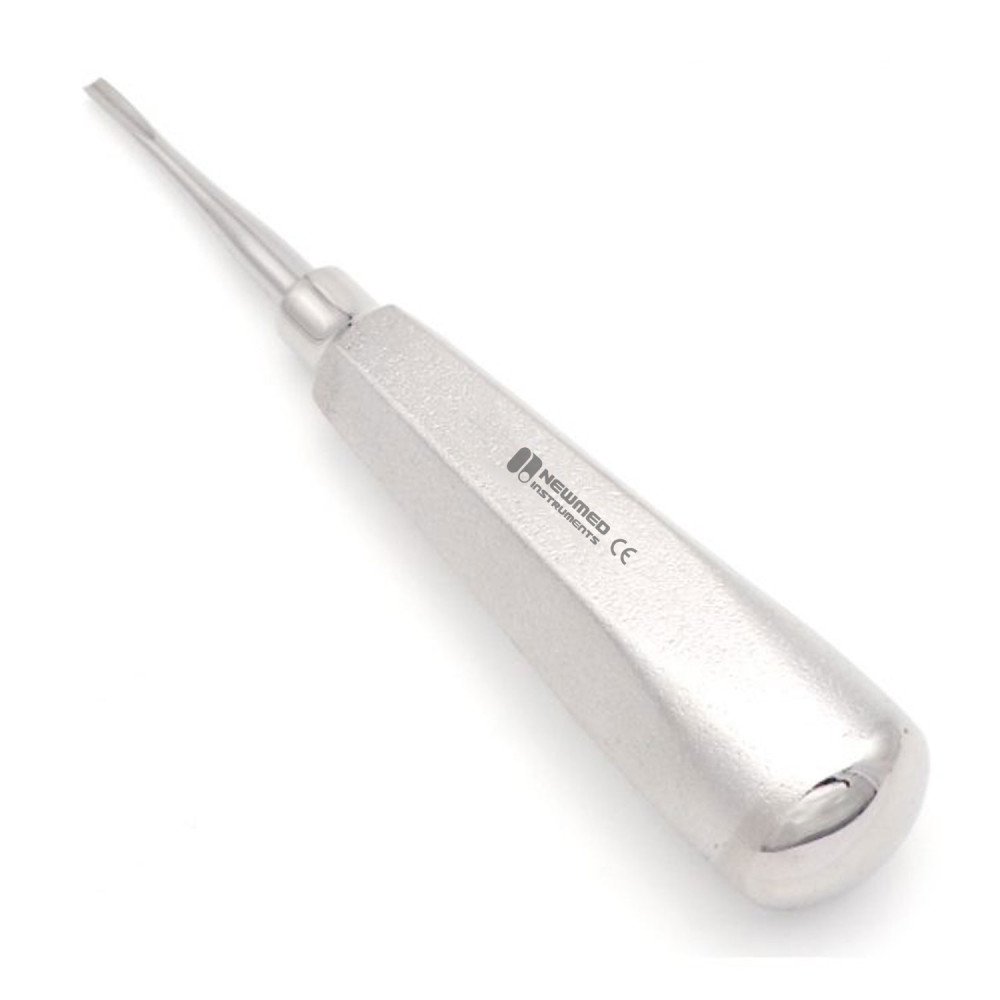
Dental procedures demand a high degree of precision and control. For extractions, success often hinges on the quality of the instruments used. Among the most critical tools in a dentist’s arsenal are dental extraction elevators. These instruments are fundamental for performing extractions smoothly, safely, and with minimal trauma to the patient. Understanding their function, design, and proper use is essential for any dental professional dedicated to achieving superior patient outcomes.
The Essential Role of Elevators in Modern Dentistry
Dental elevators are designed to luxate teeth, which means loosening them from the periodontal ligament before the application of forceps. This initial step is crucial for a successful and atraumatic extraction. By severing the ligament and expanding the alveolar bone, elevators create the necessary space to remove the tooth without applying excessive force, which could otherwise lead to root fractures or damage to surrounding tissues. The careful use of a high-quality elevator sets the stage for a predictable and efficient procedure.
Understanding the Anatomy of a Dental Elevator
A typical dental elevator consists of three main parts: the handle, the shank, and the blade. The handle provides the practitioner with a secure grip for applying controlled rotational force. The shank connects the handle to the blade and must be strong enough to transmit this force without flexing. Finally, the blade is the working end that engages the tooth and surrounding bone. The design of these components, from the ergonomics of the handle to the sharpness and shape of the blade, directly impacts the instrument’s effectiveness and the surgeon’s control.
Types of Dental Elevators and Their Specific Uses
The world of dental extraction elevators is diverse, with various designs created for specific situations and tooth locations. Straight elevators, like the common 301, are often used for luxating anterior teeth or as a starting point for many extractions. Triangle-shaped elevators, such as the Cryer, are ideal for engaging and removing broken root fragments. Other specialized elevators, like apical or root tip elevators, have fine, delicate tips designed for retrieving small root pieces from the socket with minimal disruption.
The Importance of High-Quality Materials and Craftsmanship
The performance of a dental elevator is directly tied to the materials and craftsmanship behind it. Instruments made from high-grade surgical stainless steel offer the necessary durability, corrosion resistance, and ability to hold a sharp edge. Precision manufacturing ensures that the instrument’s dimensions are accurate and consistent, allowing for predictable performance. For surgeons, students, and healthcare professionals, investing in well-crafted dental extraction elevators translates to greater confidence and more successful patient procedures.
Technique and Proper Application for Optimal Results
Proper technique is as important as the instrument itself. The elevator should be seated securely between the tooth root and the alveolar bone, using a gentle, controlled rocking or rotational motion. The practitioner must use the adjacent bone as a fulcrum, not the neighboring tooth, to prevent iatrogenic damage. The goal is to gradually expand the socket and sever the periodontal ligament fibers, making the final removal with forceps a simple, straightforward step. This methodical approach minimizes patient discomfort and promotes faster healing.
Maintaining Your Instruments for Longevity and Safety
To ensure patient safety and the longevity of your instruments, a strict maintenance protocol is essential. After each use, dental extraction elevators must be thoroughly cleaned to remove all organic debris. Following cleaning, they should be sterilized according to established healthcare guidelines, typically using an autoclave. Regular inspection for any signs of wear, dullness, or damage is also critical. A compromised instrument can fail during a procedure, posing a risk to both the patient and the practitioner.
The New Med Instruments Standard of Excellence
At New Med Instruments, we are committed to providing surgical instruments that meet the highest standards of quality and precision. We understand that surgeons and healthcare professionals depend on their tools to deliver excellent care. Our range of dental extraction elevators is crafted from premium materials and engineered for optimal performance, control, and durability. By choosing our instruments, you are equipping yourself with the tools needed to perform extractions with confidence and precision, ensuring the best possible outcomes for your patients.

