
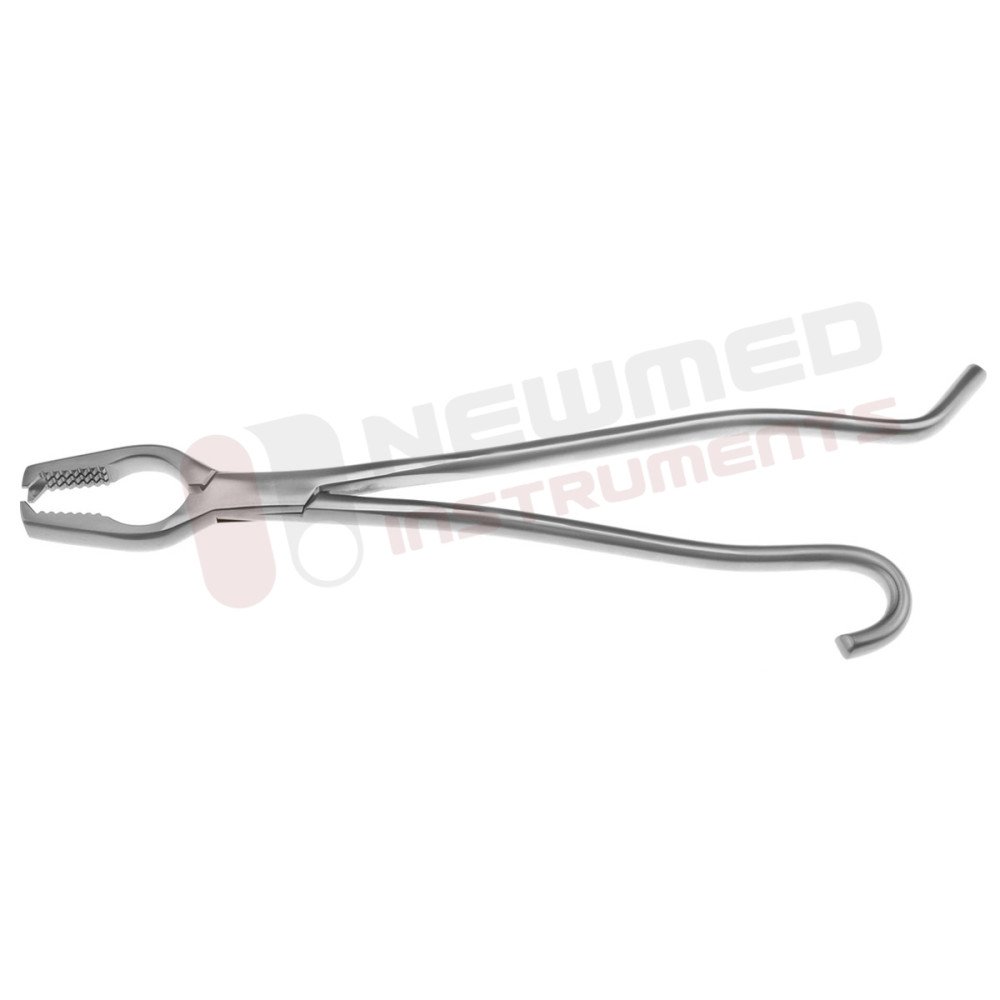
Orthopedic surgery demands exceptional precision and reliable instrumentation. When dealing with fractures or manipulating bone fragments, maintaining a secure grip is not just a convenience; it is a critical requirement for successful outcomes. Surgeons rely on specialized tools to achieve this stability. The Lane bone holding forceps stand out as a fundamental instrument in the orthopedic toolkit, offering the strength and versatility needed for complex bone manipulation. The design, utility, and importance of these forceps in modern surgical practice.
Understanding the Design and Functionality
Surgical instruments are designed with specific anatomical challenges in mind. The design of these forceps features long, sturdy jaws with serrated teeth that provide an aggressive yet controlled grip on bone structures. This specific configuration allows surgeons to hold bone fragments firmly in place during reduction and fixation procedures. The ratcheted handle mechanism is another crucial feature, enabling the surgeon to lock the instrument in place. This locking ability frees up the surgeon’s hands to perform other critical tasks, such as drilling or placing screws, without losing the reduction. The robust construction ensures that the instrument can withstand the significant forces often required in orthopedic surgery without bending or slipping.
Clinical Applications in Fracture Management
Fracture management relies heavily on the ability to realign broken bones accurately. During open reduction and internal fixation (ORIF) procedures, maintaining the correct alignment of bone fragments is paramount for proper healing. Lane bone holding forceps are frequently utilized to hunter grasper the diaphysis of long bones, such as the femur or humerus. Their ability to securely hold cylindrical bone structures makes them invaluable for manipulating fragments into their anatomical position. Once the bone is reduced, the forceps maintain the reduction while plates and screws are applied. This temporary stabilization is a critical step that directly influences the long-term stability and functionality of the repaired limb.
Enhancing Surgical Efficiency and Precision
Efficiency in the operating room translates to better patient outcomes and reduced anesthesia time. Using the right tool for the job significantly streamlines surgical workflows. By providing a reliable grip, these forceps minimize the frustration and wasted time associated with slipping instruments or unstable reductions. Surgeons can work with greater confidence, knowing that the bone fragments will remain stationary during critical maneuvers. This reliability allows for more precise drilling and screw placement, reducing the risk of technical errors. Ultimately, the use of high-quality lane bone holding forceps contributes to a smoother surgical procedure and facilitates the precise reconstruction of complex fractures.
Selection and maintenance of Surgical Instruments
The quality of surgical instruments directly impacts their performance and longevity. New Med Instruments seeks to provide quality Surgical instruments and superior service to Surgeons, Students and healthcare Professionals all over the world, who value perfect and precise results for their patients. Whether a surgeon is just starting his practice or endeavoring to improve his techniques and add new procedures to an established repertoire, our products will meet his specific surgical needs. Choosing instruments made from high-grade stainless steel ensures durability and resistance to corrosion. Proper maintenance, including thorough cleaning and sterilization, is essential to preserve the serrations and the ratcheting mechanism. Regular inspection ensures that the instrument continues to function optimally, providing the secure grip that surgeons depend on case after case.
The Role in Modern Orthopedics
As orthopedic techniques evolve, the fundamental need for secure bone manipulation remains constant. While new technologies and implants emerge, the utility of classic instruments like the lane bone holding forceps persists. They serve as an extension of the surgeon’s hands, providing the leverage and stability that cannot be achieved by manual manipulation alone. Their versatility extends beyond fracture fixation to procedures such as osteotomies and bone grafting, where stable positioning of bone segments is equally critical. Understanding the proper application and handling of these forceps is an essential skill for any orthopedic surgeon or surgical resident aiming for excellence in trauma and reconstructive surgery.
Conclusion
The success of orthopedic procedures often hinges on the quality of the tools available to the surgical team. Lane bone holding forceps remain a staple in operating rooms worldwide due to their reliable design and indispensable function in fracture management. By ensuring stable fixation and precise alignment, these instruments play a vital role in restoring function and anatomy to patients suffering from traumatic injuries. Investing in high-quality instrumentation is an investment in patient care, ensuring that every procedure is performed with the highest level of precision and safety.

