
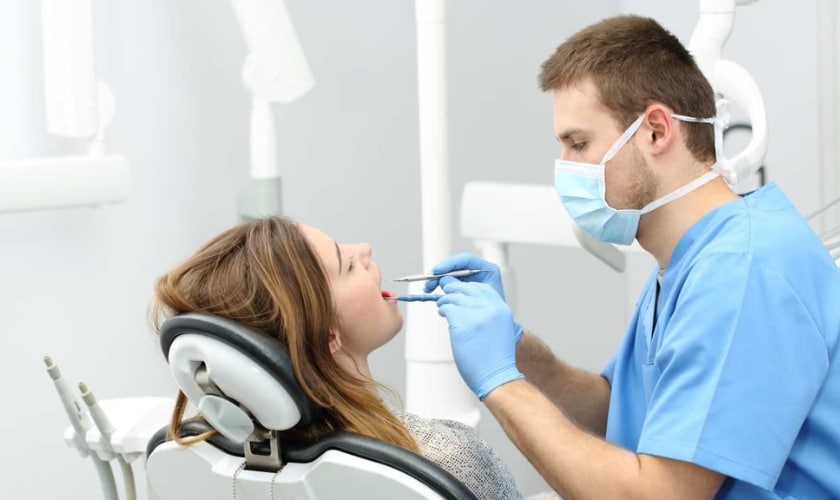
Choosing the right dental treatment is crucial for maintaining optimal oral health. Whether you’re looking to address a specific dental issue or improve the overall appearance of your teeth, selecting the right treatment can make a significant difference in the long term. With a wide range of dental treatments available today, it can be overwhelming to know where to start.
From routine cleanings to complex restorative procedures, each treatment option is tailored to specific needs. In this blog, we will guide you through the process of choosing the right dental treatment, ensuring that your decision is based on your unique needs, preferences, and budget.
Understanding Your Dental Health Needs
Before you choose any dental treatment, it’s important to assess your current oral health. Regular visits to a dentist in Chandigarh for professional checkups can help you identify potential problems early on. During these visits, your dentist will conduct thorough examinations, including X-rays, and discuss any issues you may be facing, such as:
-
Tooth decay
-
Gum disease
-
Tooth sensitivity
-
Teeth alignment issues
-
Aesthetic concerns (e.g., discolored or chipped teeth)
Once you have a clear understanding of your oral health needs, it will be easier to decide on the most appropriate treatment options.
Common Types of Dental Treatments
Dental treatments fall into two main categories: preventive and restorative. Let’s take a look at some of the most common types of treatments that may be recommended based on your needs.
Preventive Dental Care
Preventive care is designed to keep your teeth and gums healthy and free from disease. Regular preventive treatments can help avoid the need for more invasive procedures in the future. Common preventive dental treatments include:
-
Routine Checkups and Cleanings: Regular professional cleanings help remove plaque and tartar buildup, which are the main causes of gum disease and cavities. Your dentist will also check for any signs of oral health issues.
-
Fluoride Treatments: Fluoride is a mineral that helps strengthen tooth enamel and prevent tooth decay. Fluoride treatments are especially important for children or people at higher risk of cavities.
-
Sealants: Dental sealants are thin, protective coatings applied to the chewing surfaces of the back teeth. They are ideal for preventing cavities in the grooves of molars.
-
Mouthguards: For those who play sports or grind their teeth, a custom-fitted mouthguard can protect teeth from injury or wear.
Restorative Treatments
Restorative dentistry is focused on repairing or replacing damaged or missing teeth. These treatments can restore the function, appearance, and structure of your teeth, improving both oral health and aesthetics. Some common restorative treatments include:
-
Fillings: If you have a cavity, your dentist may recommend a filling to restore the damaged tooth. Fillings are available in several materials, including silver amalgam, composite resin, and porcelain, depending on the size and location of the cavity.
-
Crowns and Bridges: Crowns are tooth-shaped caps that cover a damaged tooth to restore its strength and appearance. Bridges, on the other hand, are used to replace missing teeth by connecting artificial teeth to adjacent natural teeth.
-
Root Canal Treatment: When the pulp of a tooth becomes infected or inflamed, a root canal is often necessary to save the tooth. This procedure involves removing the damaged pulp, cleaning the root canals, and sealing the tooth to prevent further infection.
-
Dental Implants: If you have missing teeth, dental implants are one of the most advanced solutions. A dental implant is a titanium post that is surgically placed into the jawbone and topped with a crown to replace a missing tooth.
-
Dentures: For individuals who have lost multiple teeth, dentures offer a removable solution that restores the smile and functionality of the mouth.
Cosmetic Dentistry: Improving the Appearance of Your Smile
Cosmetic dentistry focuses on improving the appearance of your teeth and smile, whether it’s through whitening, reshaping, or straightening. If your goal is to enhance the aesthetic appeal of your smile, cosmetic treatments can help. Common cosmetic dental treatments include:
-
Teeth Whitening: Over time, teeth can become discolored due to food, drinks, smoking, or aging. Professional teeth whitening treatments can brighten your smile and remove stains that are resistant to regular brushing.
-
Veneers: Veneers are thin, custom-made shells that are bonded to the front of your teeth to correct issues like discoloration, chips, and misalignment.
-
Invisalign and Braces: If your teeth are crooked or misaligned, braces or Invisalign clear aligners can straighten your teeth and improve the overall appearance of your smile.
-
Bonding: Dental bonding is a quick and cost-effective treatment for repairing chipped or cracked teeth. It involves applying a tooth-colored resin to the damaged area and hardening it with a special light.
-
Gum Contouring: If you have a “gummy” smile, gum contouring can reshape the gum line to create a more balanced and appealing appearance.
Factors to Consider When Choosing a Dental Treatment
When selecting the right dental treatment, several factors need to be considered to ensure the procedure aligns with your needs and lifestyle. These factors include:
1. Your Oral Health Condition
The primary factor in determining the right dental treatment is your oral health. If you have an underlying condition such as gum disease or tooth decay, these must be addressed before any cosmetic procedures can take place. It’s essential to prioritize treatments that focus on improving your overall oral health before moving on to cosmetic concerns.
2. Budget and Cost
Different dental treatments come with varying costs. Preventive care, such as routine cleanings and checkups, is usually less expensive than restorative treatments like implants or root canals. It’s important to discuss the cost of the treatment with your dentist and explore options for insurance coverage or financing.
3. Time Commitment
Some dental treatments, such as dental implants or orthodontics, may take several months or even years to complete. If you’re looking for a quick fix, treatments like teeth whitening or dental bonding may be a better choice. Be sure to discuss your time expectations with your dentist to determine what is feasible within your schedule.
4. Personal Preferences
The treatment you choose should also match your personal preferences. For example, if you are concerned about the appearance of traditional metal braces, you may opt for Invisalign aligners instead. If you prefer a more natural look for your dental restorations, porcelain crowns and veneers may be ideal.
Finding the Right Dentist
Once you’ve narrowed down the type of treatment you need, the next step is to find the right dentist. It’s important to choose a dentist who is experienced in the specific treatment you require and who makes you feel comfortable and informed throughout the process.
To find the best dentist in Chandigarh, consider the following tips:
-
Check qualifications and experience: Ensure that your dentist has the necessary credentials and experience in the treatment you’re considering.
-
Read patient reviews: Look for feedback from previous patients to get a sense of the quality of care provided.
-
Consultations: Schedule a consultation to meet the dentist and discuss your options. This will give you a chance to ask questions and evaluate the clinic’s atmosphere.
-
Advanced technology: Choose a dentist who uses modern equipment and advanced techniques to ensure the best results.
Conclusion
Choosing the right dental treatment is essential for maintaining good oral health and achieving your smile goals. By understanding your oral health needs, exploring the available treatment options, and considering factors such as cost, time, and personal preferences, you can make an informed decision that benefits both your health and appearance.
When it comes to selecting the best dentist in Chandigarh, be sure to choose one who is skilled in the treatments you require and who values patient education and comfort. With the right dental care, you can enjoy a healthy, beautiful smile for years to come.

