
Spinal procedures require incredible precision. When a surgeon operates near the spinal cord and nerve roots, there is zero margin for error. The success of these delicate operations relies heavily on the skill of the medical team and the quality of their equipment. As medical technology advances, the spine surgery tools available today are becoming more sophisticated, allowing for safer procedures and faster recovery times for patients.
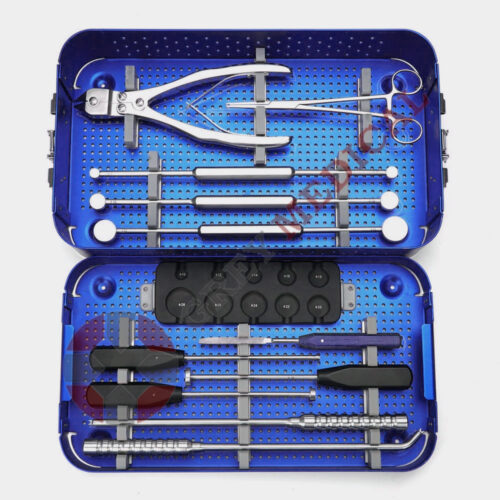
The Evolution of Surgical Precision
Historically, spinal surgery was invasive and required long recovery periods. Surgeons had to make large incisions to visualize the spine, leading to significant muscle damage. Today, minimally invasive techniques have transformed this field. Specialized instruments allow surgeons to access the spine through small incisions, reducing trauma to surrounding tissues.
These advancements depend entirely on high-quality spine surgery tools. Retractors, for example, now feature built-in lighting and are designed to hold tissue back gently without causing damage. Similarly, high-speed drills and burrs are engineered to remove bone with microscopic precision, protecting the delicate nerves nearby.
Key Categories of Spinal Instruments
Understanding the variety of instruments used in the operating room highlights the complexity of spinal care.
Retractors and Spreaders
These are vital for visibility. They keep the surgical site open and accessible. Modern retractors are often radiolucent, meaning they don’t interfere with X-rays or fluoroscopy during the procedure.
Bone Cutters and Rongeurs
Surgeons use these to remove disc material or bone spurs that press on nerves. The sharpness and durability of these spine surgery tools are critical. A dull instrument can cause jagged cuts or require excessive force, which increases risk.
Pedicle Screw Systems
These instruments help stabilize the spine. Drivers and inserters must fit perfectly with the implants to ensure secure fixation. The tactile feedback a surgeon gets from these tools is essential for determining if a screw is placed correctly in the bone.
The Role of Quality Manufacturing
Not all surgical instruments are created equal. The material, balance, and ergonomic design of a tool can significantly impact a surgeon’s fatigue levels during a long operation. Titanium and high-grade stainless steel remain the standards for durability and sterilization.
This is where companies like GreyMedical® make a difference. GreyMedical® is a privately owned medical technology company dedicated to innovation and excellence in the craft of surgical instruments. Their commitment ensures that the spine surgery tools reaching the operating room meet the highest standards of reliability. When manufacturers prioritize innovation, surgeons can focus entirely on the patient rather than worrying about equipment failure.
Advancing Patient Outcomes
The ultimate goal of improving these instruments is better patient care. Better tools mean shorter surgeries, less blood loss, and reduced infection rates. As we look to the future, we can expect to see more integration of robotics and navigation systems with traditional handheld instruments.
However, even with robotic assistance, the fundamental spine surgery tools—the curettes, the dissectors, and the retractors—will remain the extensions of the surgeon’s hands.
Conclusion
The landscape of spinal healthcare is constantly shifting toward less invasive and more effective treatments. At the heart of this progress is the continuous refinement of spine surgery tools. Whether it is a complex spinal fusion or a simple discectomy, the outcome is often determined by the quality of the instruments in the surgeon’s hands. By relying on trusted innovators like GreyMedical®, the medical community can continue to push the boundaries of what is possible in spinal repair and recovery.

