
Performing brain surgery demands absolute precision. A single millimetre can be the difference between a successful outcome and irreversible damage. To achieve this level of accuracy, medical professionals rely on highly specialised tools that serve as extensions of their own hands. Among the extensive array of surgical equipment, one instrument stands out for its impeccable design and proven effectiveness: Cushing forceps.
If you’ve ever observed a neurosurgery or are studying medicine, you’ve likely noticed these sleek, elegant forceps. Despite incredible advancements in robotic technology and neuronavigation, this classic tool still holds its place of honour on operating tables worldwide.
This article delves into why this surgical instrument remains a cornerstone of neurosurgery. We’ll explore the historical contributions of Dr Harvey Cushing, break down the key features of its design, and examine its critical role in complex procedures such as tumour resections and vascular surgeries. Join us as we uncover the anatomy and significance of this vital tool.
The Legacy of Harvey Cushing: The Father of Modern Neurosurgery
To truly appreciate the value of Cushing forceps, we must first turn to their creator. Harvey Cushing was not just an exceptional physician—he revolutionised our understanding of the nervous system. In the early 20th century, brain surgery was a bleak field with alarmingly high mortality rates. Cushing transformed this reality by introducing meticulous techniques and insisting on tools tailored to the delicate nature of the human brain.
Cushing quickly realised that general surgical instruments were far too crude for neurosurgery. The brain, nerves, and spinal cord require a much gentler touch compared to muscles or bones. Faced with the lack of appropriate equipment, he decided to design his own tools.
The forceps that today bear his name were born out of this urgent need to handle nervous tissues without causing collateral damage. Cushing prioritised visibility, haemorrhage control, and utmost care for healthy tissue. His legacy lives on every time a surgeon uses these forceps to save a life.
Masterful Design: What Makes Cushing Forceps Unique?
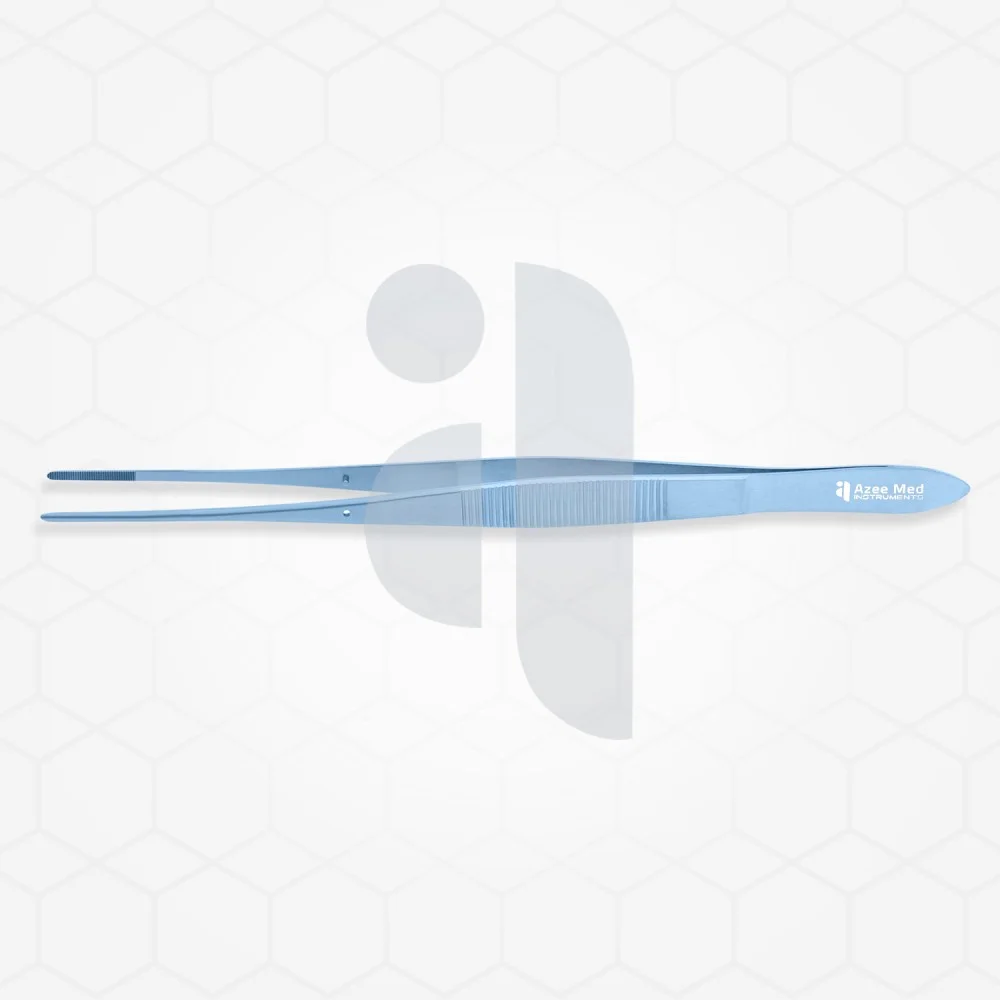
At first glance, these forceps might look like any other medical instrument to the untrained eye. However, closer inspection reveals a true masterpiece of biomedical engineering. Their specific structure allows surgeons to maintain a completely unobstructed view of the operating field—an absolute necessity when working under a surgical microscope.
Fine, Precise Tips
The most striking feature of this instrument lies in its jaws. The tips are exceptionally fine and slender, making it easier to grasp minute tissues, tiny blood vessels, or delicate membranes. Variations include models with small teeth for a firmer grip on tougher tissues or smooth versions designed to avoid damaging fragile vascular walls.
Ergonomic Handle and Tactile Feedback
The weight, length, and balance of the forceps are meticulously calibrated. The handle often features transverse grooves or special textures to prevent accidental slippage—critical during long procedures when gloves may become damp. This texture not only offers a secure grip but also provides excellent tactile feedback. Surgeons can feel the resistance of the tissue through the cool metal, achieving near-human sensitivity.
Key Anatomical Features
- ol]:!pt-0 [&>ol]:!pb-0 [&>ul]:!pt-0 [&>ul]:!pb-0″ value=”1″>Optimal calibrated length: Enables the surgeon to reach deep areas of the brain or spine without their hand blocking the surgical light or line of sight.
- ol]:!pt-0 [&>ol]:!pb-0 [&>ul]:!pt-0 [&>ul]:!pb-0″ value=”2″>Perfect spring tension: Minimises hand fatigue during complex procedures that can last over ten hours.
- ol]:!pt-0 [&>ol]:!pb-0 [&>ul]:!pt-0 [&>ul]:!pb-0″ value=”3″>Premium medical-grade materials: Typically made from high-quality stainless steel or lightweight titanium, ensuring extreme durability and easy sterilisation in autoclaves.
- ol]:!pt-0 [&>ol]:!pb-0 [&>ul]:!pt-0 [&>ul]:!pb-0″ value=”4″>Profile variations: Available in straight, curved, or bayonet designs to adapt to the patient’s unique anatomical challenges.
Critical Applications: Why They’re Essential in the Operating Room
The brilliant theory behind their design translates into real, life-saving results when patients are on the operating table. Cushing forceps are not a luxury for surgeons—they are a strict operational necessity for safely conducting numerous neurological procedures.
Brain Tumour Resection
Removing a brain tumour is a painstaking process requiring infinite patience. Tumours rarely have clean edges and are often chaotically intertwined with vital cranial nerves and healthy blood vessels. Cushing forceps allow neurosurgeons to gently separate, millimetre by millimetre, healthy tissue from the tumour mass. Their delicate, precise grip ensures the right amount of tension is applied without tearing adjacent brain structures.
Delicate Vascular Procedures
In cerebral vascular surgeries, such as treating aneurysms or arteriovenous malformations, the margin for error is literally zero. Surgeons use Cushing forceps to handle incredibly fragile blood vessels. When preparing an aneurysm for clipping with a titanium clip, the smooth-tipped forceps provide the control needed to avoid puncturing arterial walls, preventing catastrophic bleeding.
Spinal Surgery and Dura Mater Manipulation
The utility of this instrument deaver retractor extends beyond the skull. In spinal surgeries, surgeons often need to handle the dura mater, the tough protective membrane surrounding the spinal cord and nerve roots. Cushing forceps allow the safe lifting and holding of this membrane while sutures are applied to prevent cerebrospinal fluid leaks.
maintenance and Care: Preserving Precision
An instrument of such high precision demands meticulous care to maintain its functionality over the years. Hospitals and surgical centres follow strict protocols for cleaning and sterilising these forceps.
Even microscopic deformities in the tips can render the tool unusable, compromising patient safety. For this reason, surgical nursing staff carefully inspect the tips under magnification before each use. Well-maintained Cushing forceps can last for years, retaining their spring tension and grip precision as if they were brand new.
Extending the Surgeon’s Hand in the Modern Era
Neurosurgery has advanced dramatically in recent decades. Today, surgeons leverage augmented reality, ultra-high-definition endoscopes, and AI-assisted robotic arms. Amidst this array of cutting-edge technology, it’s fascinating to see that an analogue instrument designed over a century ago remains indispensable.
The reason is simple: modern technology excels at enhancing how we visualise and access the brain, but the physical work still relies on the skill of human hands. No software can yet replicate the intuitive touch, sensitivity to tissue resistance, and direct control provided by these forceps. To keep up with modern demands, the original design has evolved to incorporate polymer coatings for electrosurgery, allowing simultaneous tissue manipulation and vessel coagulation.
Conclusion
Cushing forceps exemplify the perfect fusion of form, function, and medical necessity. From the rudimentary operating rooms where Harvey Cushing pioneered their use to today’s high-tech hybrid theatres, this instrument has stood the test of time. Its meticulous design, focusing on visual precision, tactile ergonomics, and respect for tissue integrity, makes it the ultimate ally for neurosurgeons.
For healthcare professionals or hospital administrators looking to upgrade operating room equipment, investing in titanium or stainless steel instruments with the highest international certifications is essential. For medical students and future residents, observing how expert surgeons handle these forceps offers a deeper appreciation for the true art of surgery. Check your trusted medical equipment suppliers today to explore the latest ergonomic variations of this timeless classic.

