
Agriculture in India faces ongoing challenges such as rising fuel costs, irregular electricity supply, and dependency on traditional energy sources. The PM Kusum Yojana has emerged as a practical solution by promoting solar energy in farming. It not only reduces operational costs but also helps farmers achieve energy security and better income stability.
Introduction to PM Kusum Yojana
The PM Kusum Yojana, or Pradhan Mantri Kisan Urja Suraksha evam Utthaan Mahabhiyan, aims to provide solar-based irrigation systems to farmers across India. The scheme supports the installation of solar pumps and small solar plants on agricultural land.
Its core objective is to shift farmers from diesel and grid electricity to renewable energy. This transition helps in reducing costs while ensuring an uninterrupted power supply for irrigation needs.
Objectives of PM Kusum Yojana
The scheme is designed to make agriculture more efficient and sustainable. It focuses on increasing the use of solar energy in farming, reducing dependency on diesel, and improving access to reliable electricity. At the same time, it creates opportunities for farmers to earn additional income through solar power generation.
Components of PM Kusum Yojana
The PM Kusum Yojana is divided into three main components. The first allows farmers to install solar power plants on unused or barren land and sell electricity to the grid. The second supports standalone solar pumps, especially in areas without proper electricity access. The third focuses on converting existing electric pumps into solar-powered systems, enabling farmers to use solar energy and sell surplus power.
Benefits of PM Kusum Yojana for Agriculture
One of the biggest advantages of the PM Kusum Yojana is the reduction in irrigation costs. Farmers no longer need to rely heavily on diesel, which significantly cuts expenses. Solar energy also ensures a consistent power supply, helping farmers irrigate their fields without interruptions.
Another major benefit is the opportunity to generate additional income. Farmers can sell excess electricity produced by solar panels, creating a new revenue stream. This financial support plays an important role in improving their overall economic condition.
The scheme also promotes environmentally friendly farming practices. Reducing the use of fossil fuels, it lowers carbon emissions and contributes to cleaner agriculture. In addition, solar-powered systems allow better control over water usage, leading to more efficient irrigation.
Financial Support and Subsidy
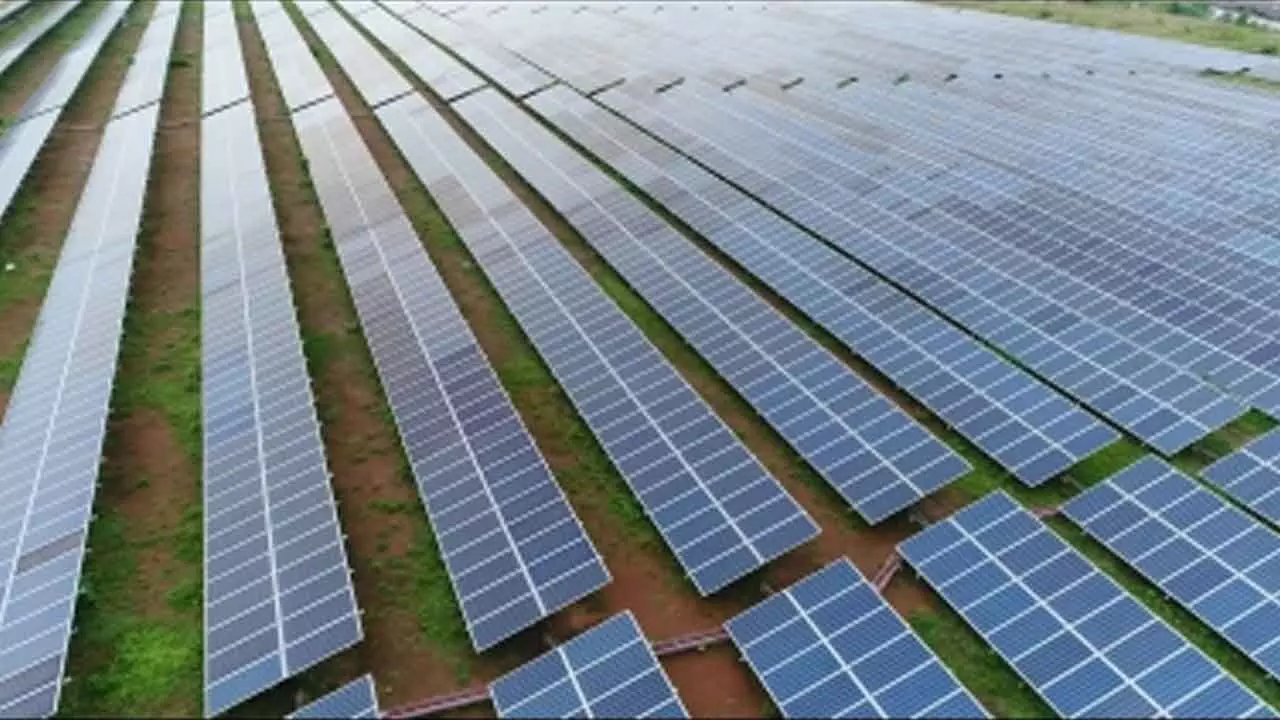
The PM Kusum Yojana offers strong financial support to encourage adoption. Farmers receive a subsidy from both the central and state governments, which significantly reduces the installation cost. A portion of the cost can also be covered through bank loans, making it easier for small and marginal farmers to participate in the scheme.
Impact on Farmers’ Income
The scheme has a direct impact on farmers’ income by lowering input costs and creating new earning opportunities. With reduced spending on fuel and electricity, farmers can save more. At the same time, selling surplus solar power provides an additional and stable source of income.
This dual benefit helps improve financial security, especially for small farmers who often struggle with unpredictable earnings.
Role in Sustainable Agriculture
Sustainability is a key strength of the PM Kusum Yojana. It encourages the use of clean and renewable energy, which reduces environmental damage. Solar-powered irrigation systems also support efficient resource use, helping farmers adopt more responsible farming practices.
By integrating renewable energy into agriculture, the scheme contributes to long-term ecological balance and energy conservation.
Challenges and Limitations
Despite its advantages, the scheme faces some practical challenges. Many farmers remain unaware of its benefits, limiting adoption. Initial installation costs, even after subsidies, can be a concern for some. In addition, maintenance and technical support in rural areas need improvement to ensure smooth operation.
Addressing these issues is important to fully realize the scheme’s potential.
Future Scope of PM Kusum Yojana
The future of the PM Kusum Yojana looks strong as India continues to expand its renewable energy capacity. With better awareness and improved implementation, more farmers are likely to adopt solar solutions.
The scheme has the potential to transform rural agriculture by making it more cost-effective, energy-efficient, and environmentally sustainable. It can also play a major role in strengthening the rural economy.
Conclusion
The PM Kusum Yojana is a significant step toward modernizing Indian agriculture. It reduces costs, ensures reliable energy, and creates new income opportunities for farmers. At the same time, it supports sustainable farming by promoting clean energy.
As the scheme continues to expand, it is expected to bring long-term benefits to both farmers and the agricultural sector as a whole.
FAQs
1. What is PM Kusum Yojana
PM Kusum Yojana is a government scheme that promotes solar energy use in agriculture by supporting solar pumps and power generation systems for farmers.
2. Who can apply for PM Kusum Yojana
Farmers, cooperatives, and local bodies can apply, depending on the eligibility criteria set by state governments.
3. How does the scheme help reduce farming costs
It reduces dependence on diesel and electricity, lowering irrigation expenses significantly.
4. Can farmers earn money through this scheme
Yes, farmers can sell surplus solar electricity to the grid and earn additional income.
5. Why is PM Kusum Yojana important
It improves energy access, reduces costs, increases income, and promotes sustainable agriculture in India.

