
Why Precision Matters More Than Speed
When you are working with high-value stone — think marble, granite, onyx, or quartzite — one wrong cut can ruin a slab worth tens of thousands of rupees. That is where choosing the right stone drilling machine for your specific job type makes all the difference between a clean finish and a costly mistake.
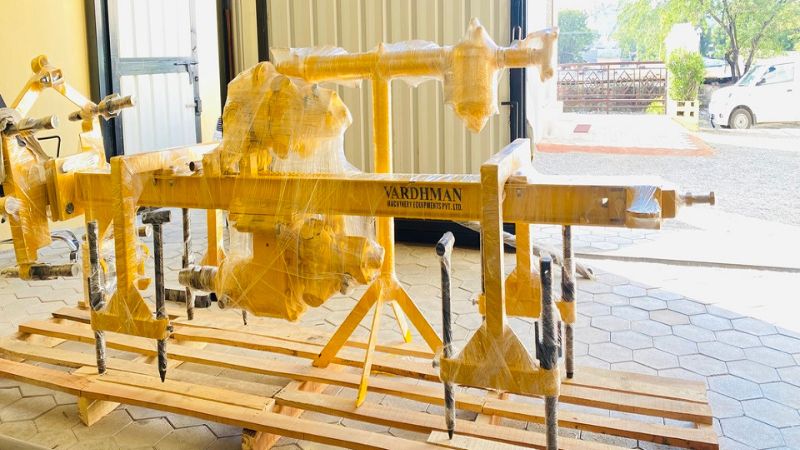
Most buyers focus on price first. That is understandable. But for precision stone work, the factors that matter more are spindle stability, RPM control, and the quality of the drill bit interface. A machine that vibrates at high speeds will chip your stone edges no matter how skilled the operator is.
This is not a theoretical problem. It shows up on job sites regularly — especially when teams switch from softer stones to harder ones like black granite or sandstone without adjusting their equipment setup.
What Stone Drilling Machines Actually Do in Precision Work
A stone drilling machine does more than punch holes. In precision projects, it is used for:
Sink cutouts in countertops where edge quality is visible. Fixing anchor points in stone cladding panels where load-bearing accuracy matters. Creating decorative perforations in stone screens or jaali panels. Drilling pilot holes before blade cutting on unusually thick slabs.
In each of these cases, the machine needs consistent torque at low RPM, not just raw power. Many operators make the mistake of running at too high a speed — it feels productive but often causes micro-fractures in the stone that only appear after polishing.
Choosing the Right Machine for Your Stone Type
Not every drill setup works for every stone. Here is a rough guide based on material:
Marble and limestone are relatively soft. They respond well to standard diamond core bits with water cooling. The risk here is over-drilling — going too fast because the material feels easy.
Granite and quartzite are dense and abrasive. They wear through bits quickly. You need a machine with consistent downward pressure control, not just high RPM. Segment diamond bits work better here than continuous rim bits.
Sandstone and slate are brittle. Low-vibration machines matter more here than anywhere else. Even a small imbalance in the drill head can cause cracking.
If your shop handles multiple stone types — which most fabrication units do — a variable-speed machine with adjustable depth stops is worth the extra cost.
Common Mistakes That Cost Money
Running dry. Water cooling is not optional for diamond bits on hard stone. Without it, bit temperature spikes fast and lifespan drops from hundreds of cuts to dozens.
Forcing the feed rate. Letting the machine work at its natural pace produces cleaner holes than pushing the drill down hard. Slower feed = longer bit life + less stone damage.
Using one bit type for everything. Core bits designed for marble will burn up fast on granite. Matching the bit to the stone type is basic — but plenty of workshops skip it to save money and end up spending more on replacements.
Ignoring machine maintenance. Drill chuck wear, spindle bearing play, and coolant flow issues all affect cut quality. A machine that drilled perfectly six months ago may be causing problems now if it has not been serviced.
Why Vardhman Machinery
Vardhman Machinery builds stone drilling machines for real workshop conditions — not just for showroom demos. The machines are designed with heavy-duty spindle assemblies that hold calibration over time, not just on first use.
What makes the difference for buyers is after-sales support. Getting a spare part or a technical answer should not take a week. Vardhman’s service network covers most of the major stone-processing regions in India, so downtime stays short.
The range also covers different workshop scales — from compact bench-top units for small fabrication units to floor-mounted production drills for high-volume operations. You do not need to overbuy just to get a reliable machine.
Conclusion
For high-value stone projects, precision is not a bonus feature — it is the baseline requirement. The right stone drilling machine reduces material waste, protects expensive slabs, and produces cleaner results that clients notice.
If you are setting up a new shop or replacing aging equipment, the decision is worth taking seriously. Think about your stone types, your typical hole sizes, and your production volume before buying. A machine that fits your actual workflow will pay for itself faster than a cheaper option that forces workarounds.
Vardhman Machinery’s team can help you match the right machine to your specific requirements — no guesswork needed.
FAQs
What type of stone drilling machine is best for granite? For granite, you need a machine with consistent feed pressure control and good RPM stability. Segment diamond core bits paired with water cooling give the best results on dense, abrasive stones like granite.
How important is water cooling in stone drilling? Very important. Without water cooling, diamond bits overheat fast and wear out in a fraction of their normal lifespan. It also reduces dust, which matters for both air quality and stone finish.
Can one machine handle both soft and hard stones? Yes, if it has variable speed settings and compatible bit options. A fixed-speed machine will either be too aggressive for soft stone or too slow for hard stone. Variable-speed models give you the flexibility to adjust per material.
How often should a stone drilling machine be serviced? For regular workshop use, a basic check every three months is reasonable — covering chuck tightness, spindle play, coolant flow, and belt or motor condition. Heavy-use operations may need more frequent checks.
What should I look for when buying a stone drilling machine? Spindle stability, RPM range, cooling system quality, depth stop accuracy, and the availability of after-sales service. Price matters, but a cheap machine that damages expensive stone slabs is not actually saving money.

