
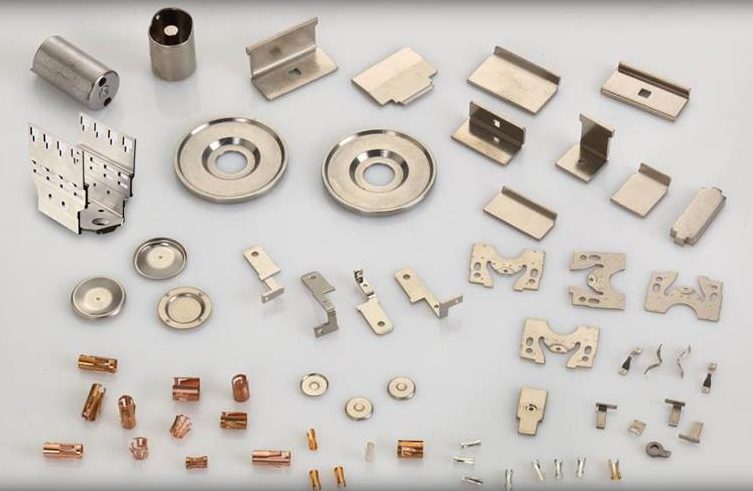
In the highly regulated aviation and defence sector, the production of aerospace parts demands exceptional precision, reliability, and strict adherence to global standards. Unlike conventional industrial components, aerospace parts must perform flawlessly under extreme conditions such as high altitude, intense vibration, temperature fluctuations, and pressure variations.
For organisations such as Eigen Engineering, delivering high-quality aerospace parts requires advanced engineering capabilities, certified processes, and a disciplined manufacturing ecosystem.
Understanding Aerospace Parts Manufacturing
Aerospace parts manufacturing involves producing components for aircraft, spacecraft, satellites, and defence systems. These parts range from structural elements and engine components to precision-machined fittings and safety-critical assemblies. Because even the smallest failure can have catastrophic consequences, aerospace components manufacturers operate under some of the most stringent quality requirements in the world.
The industry supply chain is complex and tightly controlled. It begins with specialised raw materials such as aerospace-grade aluminium alloys, titanium, superalloys, and advanced composites. These materials are transformed into precision components through machining, forming, heat treatment, surface finishing, and assembly. Aerospace equipment manufacturers then integrate these parts into larger subsystems and complete platforms.
Key Standards Governing Aerospace Parts
Compliance with internationally recognised standards is fundamental to producing reliable aerospace parts. Aerospace components manufacturers must demonstrate not only product quality but also process integrity and traceability.
1. AS9100 Quality Management System
AS9100 is the globally accepted quality standard specific to aviation, space, and defence. Building upon ISO 9001, it introduces additional requirements related to risk management, product safety, configuration control, and supplier oversight. Certification to AS9100 is often mandatory for aerospace components manufacturers seeking to supply major OEMs.
2. First Article Inspection (AS9102)
First Article Inspection validates that the initial production run of aerospace parts meets all design specifications, materials requirements, and performance criteria. This rigorous documentation process ensures that manufacturing methods are capable of consistently producing conforming parts before full-scale production begins.
3. NADCAP Process Accreditation
The National Aerospace and Defence Contractors Accreditation Program (NADCAP) evaluates special manufacturing processes such as heat treatment, welding, non-destructive testing, and surface finishing. Accreditation confirms that aerospace components manufacturers maintain process control at the highest industry level.
4. Counterfeit Prevention and Traceability
Standards such as AS6081 require strict controls to prevent counterfeit materials from entering the supply chain. Complete traceability (from raw material source to finished aerospace parts) is essential for safety, reliability, and regulatory compliance.
5. Environmental and Occupational Standards
ISO 14001 and ISO 45001 address environmental management and workplace safety. Aerospace equipment manufacturers must minimise environmental impact while ensuring safe operations for personnel handling complex machinery and hazardous materials.
Core Manufacturing Capabilities
Producing aerospace parts requires a combination of advanced technology, skilled engineering, and robust process control. Leading aerospace components manufacturers invest heavily in capabilities that ensure precision, repeatability, and performance.
1. Precision Machining
High-tolerance CNC machining is central to aerospace manufacturing. Multi-axis machining centres produce complex geometries with micron-level accuracy. Components such as turbine blades, structural fittings, and landing gear parts demand extremely tight tolerances and superior surface finishes.
2. Advanced Materials Processing
Aerospace parts often utilise materials designed for strength-to-weight optimisation. Titanium, nickel-based superalloys, and composite materials provide durability while reducing overall aircraft weight. Specialised machining techniques are required due to the hardness and heat resistance of these materials.
3. Additive Manufacturing
Additive manufacturing, or industrial 3D printing, is increasingly used to produce lightweight, complex aerospace parts that would be difficult or impossible to machine conventionally. It enables rapid prototyping, design optimisation, and reduced material waste.
4. Heat Treatment and Surface Engineering
Thermal processing improves mechanical properties such as strength, hardness, and fatigue resistance. Surface treatments (including anodising, coating, and shot peening) enhance corrosion resistance and durability, extending the service life of aerospace parts.
5. Non-Destructive Testing (NDT)
Quality assurance relies heavily on inspection methods that detect defects without damaging the component. Techniques such as ultrasonic testing, radiography, dye penetrant inspection, and magnetic particle testing ensure structural integrity before parts are approved for service.
Role of Bangalore in Aerospace Manufacturing
Bangalore has emerged as a significant hub for aerospace innovation and manufacturing in India. Aerospace components manufacturers in Bangalore benefit from a concentrated ecosystem that includes skilled talent, advanced infrastructure, and proximity to major aerospace organisations. This environment enables companies like Eigen Engineering to deliver world-class aerospace parts while maintaining cost efficiency and quality standards.
In Conclusion, Aerospace parts manufacturing is a complex and highly specialised field that demands precision, compliance, and continuous innovation. From adhering to global standards to leveraging advanced technologies, aerospace components manufacturers play a vital role in ensuring the safety and performance of modern aerospace systems.
For Eigen Engineering, excellence in aerospace parts manufacturing is achieved through a combination of technical expertise, rigorous quality control, and a commitment to innovation. By aligning with industry standards and enhancing manufacturing capabilities, aerospace equipment manufacturers can continue to meet the evolving demands of the aerospace sector while ensuring reliability at every stage of flight.

