
Choosing the right tyre for your car is not just about picking a popular brand or the cheapest option available. Tyres directly impact your car’s safety, performance, fuel efficiency, and comfort. Still, many car owners overlook important details like tyre size, type, and driving conditions.
If you’ve ever been confused about which tyre is best for your car or struggled to understand tyre size comparison, this detailed guide will help you make a smarter and more practical choice.
Why the Right Tyre Choice Matters More Than You Think
Your tyres are the only part of your car that stays in contact with the road. This means every aspect of your driving, braking, turning, acceleration, and comfort, depends heavily on your tyres.
Choosing the right tyre helps you:
- Maintain better grip on different road surfaces
- Improve braking response and safety
- Enhance fuel efficiency over time
- Reduce noise and vibration
- Increase tyre lifespan
On the other hand, using the wrong tyre size or poor-quality tyres can lead to uneven wear, poor mileage, and even risky driving conditions.
Understanding Tyre Size in a Simple Way
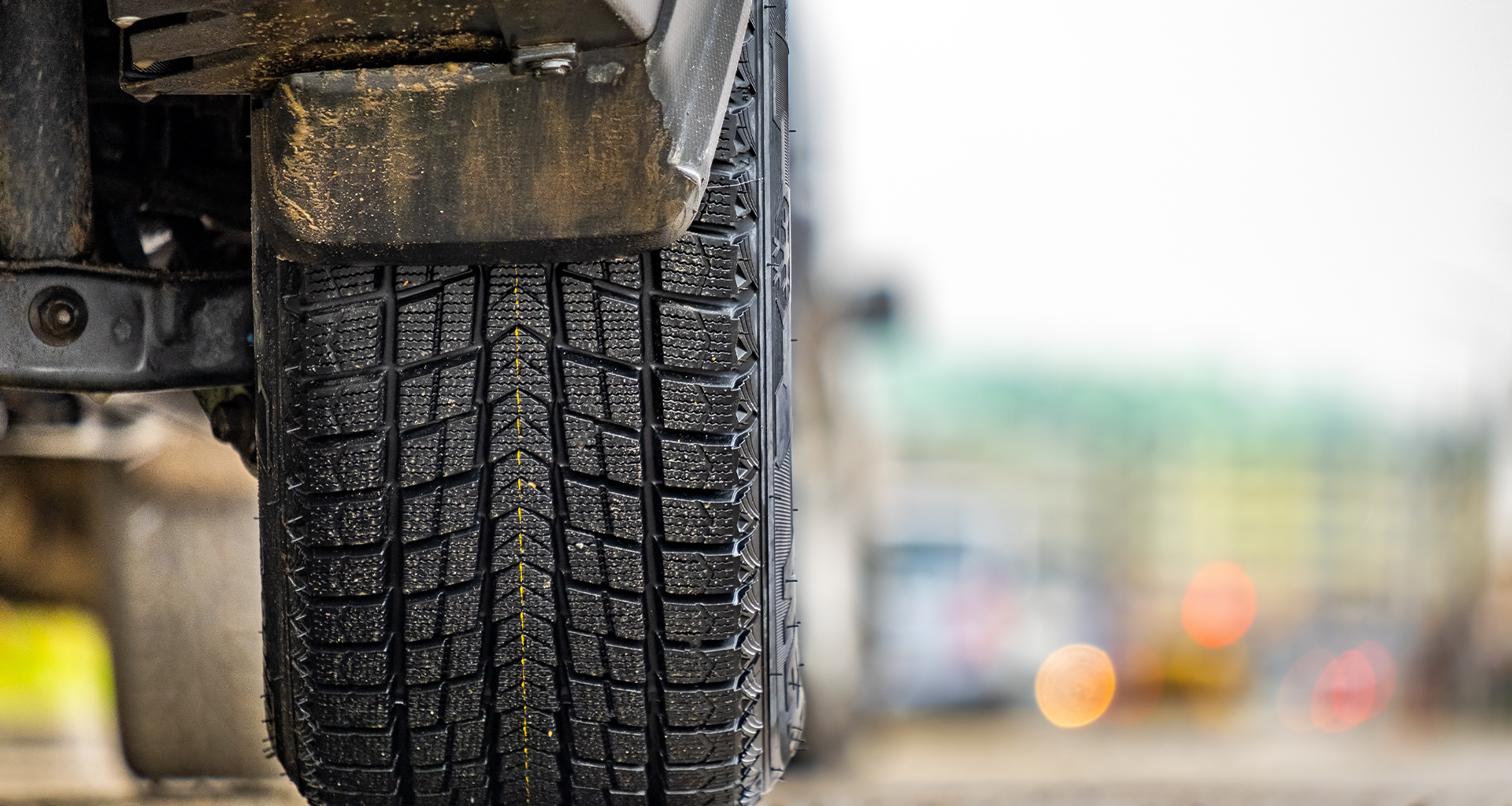
Most tyres come with markings like 195/65 R15, which may look confusing at first. But once you understand it, tyre comparison becomes much easier.
Here’s a simple breakdown:
- 195 – Tyre width in millimeters
- 65 – Aspect ratio (height of sidewall as a % of width)
- R – Radial construction (standard for modern cars)
- 15 – Diameter of the wheel rim in inches
Each part affects how your car performs, so even a small change can make a noticeable difference.
Tyre Size Comparison: What Really Changes?
Many car owners consider upsizing or downsizing tyres for better looks or performance. But it’s important to understand what actually changes when you do that.
1. Wider Tyres (Example: 195 → 205 or 215)
Wider tyres increase the surface area in contact with the road.
Advantages:
- Better grip and traction, especially on highways
- Improved cornering stability
- Sportier and more premium look
Disadvantages:
- Slight drop in fuel efficiency
- Higher rolling resistance
- Can be more expensive
Best suited for: Highway driving and performance-focused users
2. Narrower Tyres
Narrow tyres reduce the contact area with the road.
Advantages:
- Better fuel efficiency
- Lighter steering and smoother handling
- Lower cost
Disadvantages:
- Reduced grip, especially at high speeds
- Less stability in sharp turns
Best suited for: Daily city driving and budget-friendly use
3. Low Profile Tyres (Lower Aspect Ratio)
Low profile tyres have shorter sidewalls, giving them a sporty appearance.
Advantages:
- Better control and handling
- Improved cornering at high speeds
- Stylish and modern look
Disadvantages:
- Less comfort on rough roads
- Higher risk of damage from potholes
- Slightly harsher ride quality
Best suited for: Smooth roads and performance vehicles
4. High Profile Tyres
High profile tyres have taller sidewalls, offering more cushioning.
Advantages:
- Better shock absorption
- More comfortable ride
- Safer on uneven and rough roads
Disadvantages:
- Slightly less precise handling
- Less sporty feel
Best suited for: Indian roads and everyday driving comfort
Factors to Consider Before Choosing a Tyre
Before deciding which tyre is best for your car, you should look beyond size and consider real-world usage.
1. Driving Conditions
- City traffic requires comfort and durability
- Highways need better grip and stability
- Rural or rough roads require stronger sidewalls
2. Weather Conditions
- Wet roads need tyres with good water dispersion
- Hot climates require heat-resistant compounds
3. Driving Style
- Aggressive drivers need better grip
- Calm drivers can focus on mileage and comfort
Matching your tyre to your usage is more important than just upgrading size.
Choosing the Right Tyre Type
Apart from size, tyre type also plays a big role.
Common Types of Tyres:
- All-season tyres: Suitable for most conditions
- Performance tyres: Better grip and handling
- Touring tyres: Focus on comfort and long life
- Eco tyres: Designed for fuel efficiency
Most Indian drivers prefer all-season or touring tyres for daily use.
Importance of Tyre Brand and Quality
While size and type are important, tyre quality matters just as much.
A reliable tyre brand ensures:
- Consistent grip in wet and dry conditions
- Longer lifespan
- Better comfort and noise control
- Safer braking performance
Brands like Vredestein are known for offering a balance of performance, durability, and driving comfort. Choosing a trusted brand reduces long-term maintenance issues and improves overall driving experience.
Common Tyre Buying Mistakes to Avoid
Many car owners unknowingly make mistakes that affect performance and safety.
- Ignoring manufacturer-recommended size
- Choosing cheaper tyres over quality
- Mixing different tyre types
- Not checking tyre manufacturing date
- Skipping alignment and balancing
Avoiding these mistakes can save money and improve safety.
When Should You Replace Your Tyres?
Even the best tyres wear out over time, and delaying replacement can be risky.
Watch for these signs:
- Worn-out tread (low grip)
- Cracks or visible damage
- Frequent punctures
- Vibrations while driving
- Reduced braking efficiency
Regular inspection ensures timely replacement and safer driving.
Simple Tips to Increase Tyre Life
Taking care of your tyres can significantly improve their performance and lifespan.
- Maintain correct air pressure
- Rotate tyres every 5,000–10,000 km
- Get wheel alignment checked regularly
- Avoid sudden braking and acceleration
- Do not overload your car
Small maintenance habits can make a big difference over time.
Conclusion
Understanding which tyre is best for your car is not about choosing the most expensive or most popular option, it’s about choosing what fits your driving needs, road conditions, and comfort level.
A proper tyre size comparison helps you see how changes in width, profile, and rim size can affect performance, mileage, and safety. Sticking close to recommended sizes while making informed upgrades is always the best approach.
Investing in a quality brand like Vredestein, along with regular maintenance, ensures better grip, longer life, and a smoother driving experience.
In the end, the right tyres don’t just improve your car, they improve your confidence on the road every time you drive.

