
Electrical systems are the backbone of modern infrastructure, powering industries, commercial spaces, and homes. As electrical networks become more complex, the need for reliable control devices becomes increasingly important. Among the most essential components used for electrical control are contactors, which play a major role in managing and controlling power circuits safely and efficiently. Understanding how contactors function and how they work alongside devices such as relay and contactor systems can help engineers, technicians, and businesses maintain safe and efficient electrical operations.
Understanding Contactors in Electrical Systems
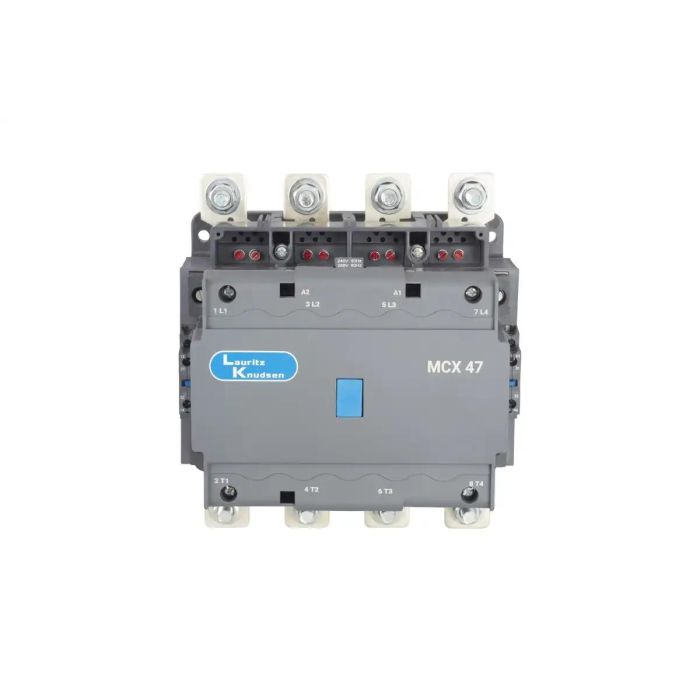
In electrical engineering, contactors are electrically controlled switches designed to control the flow of electricity in high-power circuits. These devices are primarily used to turn electrical equipment on or off without the need for manual operation. They allow low-power control signals to switch much larger power loads, making them an essential component in industrial and commercial electrical systems.
Unlike standard switches that are operated manually, contactors are designed to handle frequent switching operations and high electrical loads. This makes them ideal for controlling motors, lighting systems, heating equipment, and various industrial machines.
The construction of contactors typically includes a coil, contacts, and an enclosure. When the coil is energized, it creates a magnetic field that pulls the contacts together, allowing electricity to flow through the circuit. When the coil is de-energized, the contacts return to their original position, breaking the circuit and stopping the power flow.
How Contactors Work in Power Control
The primary function of contactors is to control the distribution of electrical power safely and efficiently. They act as a bridge between control circuits and power circuits. A small electrical signal in the control circuit can activate the contactor, which then allows a much larger current to flow through the main power circuit.
This ability to control large currents using small signals makes contactors extremely useful in automation systems. For example, in industrial machinery, automated control systems send signals to contactors to start or stop motors based on operational requirements.
Another key advantage of contactors is their ability to handle high switching frequencies. In many industrial environments, machines need to be started and stopped frequently. Contactors are designed to withstand this repeated operation without damage, ensuring long-term reliability.
The Role of Relay and Contactor Systems
In many electrical control systems, relay and contactor devices work together to manage different levels of electrical power. Although both devices function as switches, they serve slightly different purposes.
A relay is typically used for controlling low-power circuits. It operates in a similar way to a contactor but is designed for smaller loads. A relay and contactor combination allows electrical systems to efficiently control both low-power signals and high-power circuits.
For instance, a relay may detect a control signal from an automation system or sensor. Once the relay activates, it sends a signal to the contactor, which then controls the larger electrical load. This coordinated operation between relay and contactor devices ensures accurate control and improved system safety.
Using relay and contactor configurations also helps protect sensitive control circuits. Since relays handle the initial signal and contactors manage the heavy electrical loads, the overall system becomes more reliable and easier to maintain.
Applications of Contactors in Various Industries
The versatility of contactors allows them to be used across a wide range of industries and electrical applications. One of the most common uses is in motor control systems. Industrial motors require controlled start and stop operations, which are easily managed by contactors.
Another major application of contactors is in lighting control systems. Large buildings such as offices, malls, and factories often use contactors to control lighting circuits. This allows centralized management of lighting systems and reduces energy consumption.
Heating, ventilation, and air conditioning systems also rely heavily on contactors. These systems require precise power control to ensure proper temperature regulation and energy efficiency.
In addition, many automated manufacturing processes depend on relay and contactor systems to operate machinery safely and efficiently. These devices help ensure that machines respond accurately to control signals, improving productivity and reducing the risk of electrical faults.
Advantages of Using Contactors
One of the major advantages of contactors is their ability to safely control high-power circuits. Since they are specifically designed for heavy electrical loads, they provide a safer alternative to manual switching methods.
Another benefit is durability. Industrial-grade contactors are built to handle thousands of switching operations without significant wear. This durability makes them ideal for demanding industrial environments.
Flexibility is also an important advantage. Contactors can be easily integrated into automation systems and combined with other control devices, such as relay and contactor configurations. This allows engineers to design complex electrical control systems that operate efficiently and reliably.
Furthermore, contactors improve overall system safety. By isolating control circuits from power circuits, they reduce the risk of electrical accidents and equipment damage.
Importance of Proper Installation and maintenance
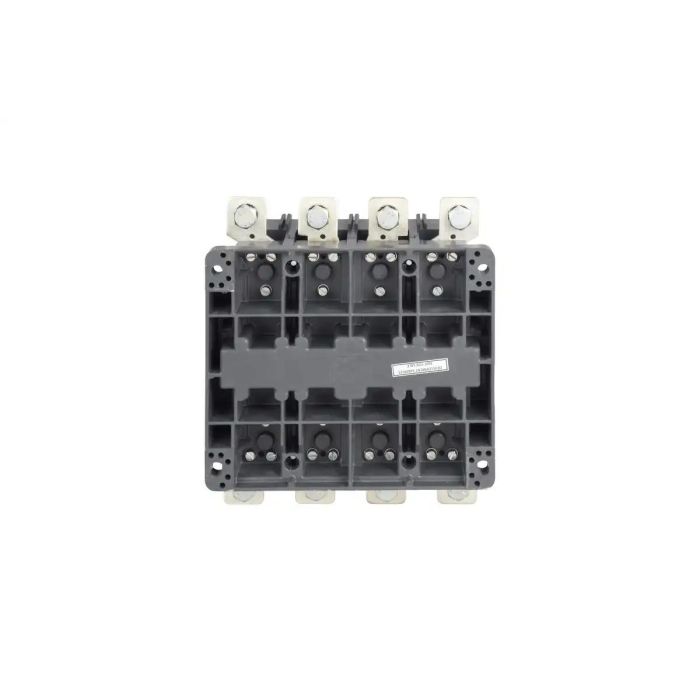
While contactors are highly reliable devices, proper installation and regular maintenance are essential for optimal performance. Electrical professionals must ensure that contactors are correctly rated for the load they are controlling. Using a contactor with an incorrect rating can lead to overheating or premature failure.
Routine inspections should also be carried out to check for signs of wear, loose connections, or overheating. Maintaining relay and contactor systems helps ensure that electrical control systems continue to operate safely and efficiently.
Regular maintenance also helps identify potential problems before they cause major electrical failures. This proactive approach improves system reliability and reduces downtime in industrial operations.
Future of Contactors in Modern Electrical Systems
As industries continue to adopt smart technologies and automation, the role of contactors is becoming even more important. Modern electrical systems increasingly rely on intelligent control devices that can manage power efficiently while ensuring safety.
Advancements in electrical engineering are leading to the development of more compact, efficient, and durable contactors. These improvements make them suitable for integration into advanced automation systems and smart electrical networks.
Additionally, relay and contactor technologies are evolving to support digital monitoring and remote control capabilities. This allows engineers to monitor electrical systems in real time and respond quickly to potential issues.
Conclusion
Electrical control systems depend heavily on reliable switching devices to manage power safely and efficiently. Among these devices, contactors play a vital role in controlling high-power circuits and ensuring the smooth operation of electrical equipment. Their ability to work alongside relay and contactor systems makes them indispensable in modern electrical infrastructure.
From motor control and lighting systems to industrial automation and HVAC operations, contactors provide the durability, flexibility, and safety required for complex electrical networks. As technology continues to evolve, these devices will remain a fundamental part of power control systems across industries.
Companies such as Lauritz Knudsen Electrical and Automation continue to contribute to the advancement of electrical solutions by offering innovative and reliable products that support safe power management and efficient electrical operations in modern infrastructure.

