
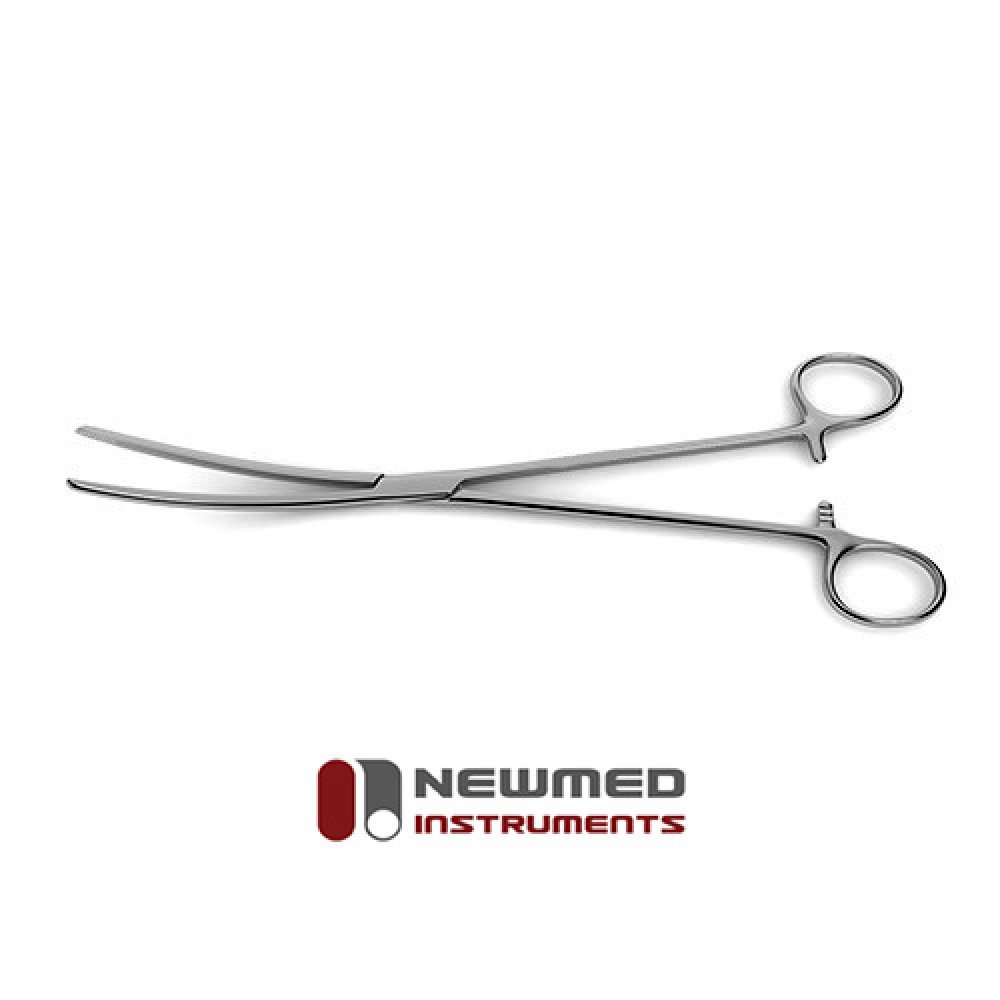
successful kidney operations requires a profound understanding of human anatomy and an unwavering commitment to precision. Surgeons and healthcare professionals worldwide constantly strive to achieve flawless outcomes for their patients. Navigating the intricate structures of the human body demands not only extensive knowledge but also the finest surgical tools available. Exceptional surgical care begins with mastering the core anatomical features that sustain the organs.
Defining the Crucial Anatomical Pathway
The gateway to the kidney is a complex and fascinating structure that requires careful navigation during any urological procedure. Understanding the delicate network of vessels that form the renal pedicles is absolutely essential for anyone operating in this specialized field. This vital anatomical bundle acts as the primary lifeline connecting the kidney to the rest of the circulatory system. Mastering the dissection and management of this structure ensures patient safety and operational success.
The Importance of the Renal Artery
Every successful urological procedure relies on a deep respect for the arterial blood supply feeding the organ. The main artery delivers massive volumes of oxygen-rich blood directly from the abdominal aorta. Surgeons must isolate this robust vessel with absolute certainty before initiating any clamping techniques. Careful handling of this high-pressure vessel prevents catastrophic bleeding and maintains a clear, visible operative field.
Understanding the Renal Vein Dynamics
Right alongside the arterial supply lies the equally important venous drainage system returning blood to the inferior vena cava. The venous walls are notoriously thin and delicate, demanding the utmost care during surgical separation and mobilization. A minor miscalculation here can lead to rapid hemorrhage, making precise instrumentation incredibly valuable. Healthcare professionals train rigorously to handle these fragile veins with smooth, controlled movements.
Navigating the Renal Pelvis
The third critical component of the hilum is the pelvis, which channels urine away from the organ toward the bladder. Managing this muscular funnel requires clear visibility and gentle manipulation to avoid unnecessary trauma. Proper identification of the ureteropelvic junction prevents long-term strictures and ensures proper healing post-surgery. Medical students learn early on that safeguarding the urinary tract is just as critical as managing the blood vessels.
Recognizing Common Structural Variations
Human anatomy rarely follows textbook illustrations perfectly, and vascular variations are surprisingly common in urological surgery. It is completely normal to encounter multiple accessory arteries or early venous branching when examining the renal pedicles closely. Recognizing these anomalies quickly allows the surgical team to adjust their operative strategy without hesitation. Thorough preoperative imaging combined with sharp anatomical awareness keeps the entire procedure running smoothly.
Overcoming Unexpected Vascular Challenges
Encountering abnormal vessel routing requires a calm, methodical approach to ensure absolute safety. An accessory lower pole artery, for instance, must be meticulously separated and secured to prevent post-operative complications. Surgeons rely on high-quality retractors and dissecting forceps to carefully expose these hidden pathways. Uncovering and managing these variations showcases the true artistry and skill of dedicated medical professionals.
Securing Hemostasis During Nephrectomies
Removing a diseased kidney demands absolute control over the main vascular supplies before organ extraction. Achieving perfect hemostasis is an incredibly satisfying moment that highlights the success of a careful dissection! Applying secure vascular clamps completely halts blood flow, allowing the surgeon to proceed with confidence. Dependable surgical equipment is non-negotiable during this high-stakes phase of the operation.
Mastering Kidney Transplantation Techniques
Organ transplantation is a miraculous procedure that relies heavily on flawless vascular anastomoses. Connecting the donor organ requires pristine preparation of both the donor and recipient vessels to ensure immediate reperfusion. Medical professionals orchestrating these life-saving surgeries understand that the quality of the vascular connection dictates the lifespan of the graft. The joy of watching a transplanted organ turn pink with new blood flow is an unforgettable experience!
The Necessity of Perfect Instrumentation
Precision in the operating room is directly tied to the quality of the tools resting in the surgeon’s hands. Utilizing instruments that offer tactile feedback, ergonomic grips, and flawless mechanical action changes the entire surgical experience. Heavy, poorly balanced tools cause hand fatigue and reduce the fine motor control required for delicate dissections. Investing in top-tier medical equipment translates directly to superior results for recovering patients.
Exploring New Med Instruments Quality
New Med Instruments seeks to provide quality surgical instruments and superior service to surgeons, students, and healthcare professionals all over the world. These dedicated professionals value perfect and precise results for their patients above all else. By manufacturing tools designed specifically for complex hilar work, the company ensures that every cut, clamp, and suture is executed flawlessly. Equipping operating rooms with these premium instruments elevates the standard of care globally.
Optimizing Hilar Dissection Methods
Carefully unroofing the vascular bundle is a delicate dance that requires patience, skill, and exceptional lighting. The tissue surrounding the renal pedicles can be dense and fibrous, requiring sharp, precise scissors for safe removal. Using blunt dissection techniques alongside sharp cutting helps separate the vessels without causing inadvertent punctures. A clean, well-exposed hilum sets the stage for a stress-free and highly successful operation.
Reducing Warm Ischemia Complications
Time is always of the essence when the blood supply to a vital organ is temporarily suspended. Minimizing the duration of warm ischemia protects the delicate nephrons from irreversible damage and ensures robust postoperative function. Surgeons work rapidly yet carefully to complete tumor resections and reconstruct the organ before tissue damage occurs. High-performance instruments facilitate swift suturing, shaving precious minutes off the ischemic clock.
Preventing Unwanted Hemorrhage
Nothing disrupts a smooth surgery quite like unexpected bleeding from a poorly secured vessel. Maintaining a proactive approach to hemostasis involves double-checking every tie, clip, and staple applied during the procedure. Using specialized vascular forceps ensures that the delicate vessel walls are held firmly without crushing the tissue. Total control over the vascular environment allows the surgical team to focus entirely on the primary goal of the operation.
Advancing Minimally Invasive Surgery
The shift toward laparoscopic techniques has revolutionized the way patients recover from major urological interventions. Navigating tight spaces with rigid scopes requires a different skill set than traditional open surgery, relying heavily on video monitors. Despite the physical distance from the surgical site, the need for exact, deliberate tissue manipulation remains paramount. Specialized laparoscopic tools provide the necessary reach and control to perform complex internal maneuvers.
Enhancing Robotic Surgical Precision
Robotic-assisted surgery takes the benefits of minimally invasive techniques and amplifies them with incredible three-dimensional visibility. The robotic arms filter out natural hand tremors, allowing for micro-dissections that were previously unimaginable. Surgeons controlling these advanced consoles can navigate around the renal pedicles with unprecedented accuracy and grace. Embracing this magnificent technology pushes the boundaries of what is possible in modern medicine!
Illuminating the Surgical Workspace
Visibility is the cornerstone of safe surgical practice, especially when working deep within the abdominal cavity. Deep anatomical pockets easily hide tiny accessory veins that can cause significant trouble if accidentally torn. Proper placement of self-retaining retractors and brilliant overhead lighting ensures that every structure is bathed in clear view. A brightly lit surgical field significantly reduces operator fatigue and enhances overall procedural safety.
Training Dedicated Healthcare Students
Passing down surgical wisdom to the next generation of medical students is a vital responsibility for experienced practitioners. Young learners must develop a deep appreciation for the consequences of vascular anatomy before ever picking up a scalpel blade. Providing students with access to high-quality educational materials and precision instruments accelerates their learning curve remarkably. Witnessing a student master a complex anatomical concept is a truly rewarding moment for any medical educator!
Elevating Global Surgical Standards
The pursuit of surgical excellence is a universal goal shared by hospitals and clinics around the globe. Standardizing the use of premium medical instruments helps bridge the gap between varying levels of healthcare infrastructure. When surgeons have reliable tools, they can perform highly complex operations with consistent, repeatable success. This global commitment to quality ultimately saves lives and improves the long-term well-being of countless individuals.
Concluding Thoughts on Surgical Mastery
Mastering the complexities of human anatomy requires lifelong dedication, continuous study, and a passion for healing. The successful management of the renal pedicles stands as a testament to the incredible advancements in modern surgical technique. By combining an intimate knowledge of vascular structures with the finest tools from New Med Instruments, healthcare professionals achieve extraordinary outcomes. The future of urological surgery is incredibly bright, promising even greater precision and safety for patients worldwide!

