
In today’s fast-paced retail environment, managing stock efficiently is no longer optional—it’s a necessity. Businesses that rely on manual tracking or outdated systems often struggle with stockouts, overstocking, and shrinkage, all of which directly impact profitability. This is where Retail Inventory Management Software becomes a powerful tool, enabling retailers to streamline operations, improve accuracy, and ultimately boost sales while minimizing losses.
Understanding the Role of Inventory in Retail Success
Inventory is the backbone of any retail business. Whether you operate a small store or a large retail chain, having the right products available at the right time is crucial. Studies show that nearly 30% of retail businesses experience losses due to poor inventory control, including dead stock and theft. Efficient inventory management ensures better demand forecasting, faster order fulfillment, and improved customer satisfaction.
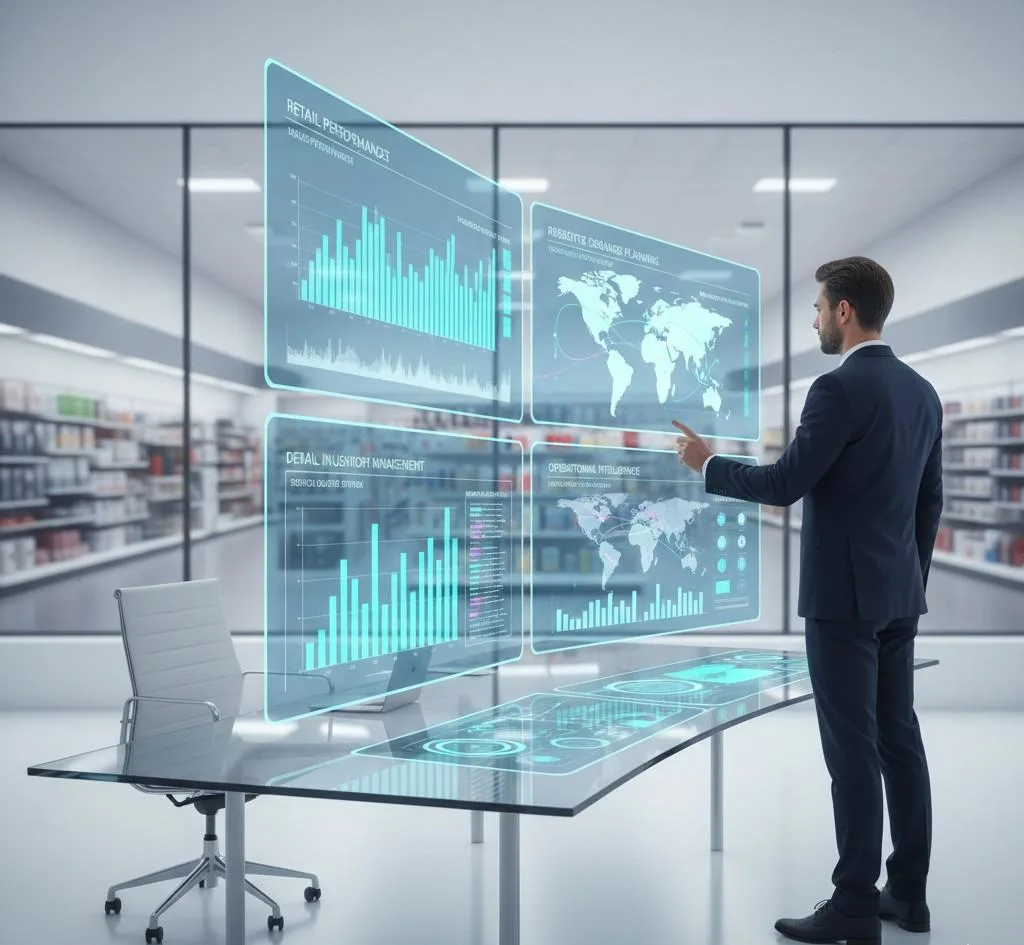
Retail Inventory Management Software helps retailers automate inventory processes, providing real-time visibility into stock levels, sales trends, and product performance. This level of insight allows businesses to make smarter decisions and stay competitive in a rapidly evolving market.
How Retail Inventory Management Software Drives Sales
One of the most significant advantages of Retail Inventory Management Software is its ability to directly influence revenue growth. By ensuring accurate stock levels and reducing inefficiencies, businesses can maximize their sales potential.
Improved Stock Availability
Customers expect products to be available when they need them. Stockouts can lead to lost sales and damage customer trust. Inventory software uses real-time tracking and automated alerts to prevent stock shortages, ensuring that popular products are always in stock.
Data-Driven Decision Making
Retailers can access detailed analytics, including sales trends, seasonal demand, and customer preferences. These insights help in:
-
Identifying best-selling products
-
Planning promotions effectively
-
Optimizing pricing strategies
With better data, businesses can focus on high-performing items and eliminate underperforming stock.
Faster Checkout and Fulfillment
Integrated systems streamline billing and order processing, reducing waiting times at checkout counters. Faster service enhances the overall shopping experience, encouraging repeat purchases and increasing customer loyalty.
Multi-Channel Integration
Modern retailers sell across multiple platforms, including physical stores, e-commerce websites, and marketplaces. Retail Inventory Management Software synchronizes inventory across all channels, preventing discrepancies and ensuring consistent availability.
Reducing Losses with Smart Inventory Control
Loss prevention is a major concern for retailers. From theft to human errors, inventory losses can significantly impact profit margins. Implementing Retail Inventory Management Software helps mitigate these risks effectively.
Minimizing Human Errors
Manual data entry often leads to inaccuracies in stock records. Automated systems reduce errors by updating inventory in real time, ensuring precise tracking of every item.
Preventing Overstocking and Dead Stock
Excess inventory ties up capital and increases storage costs. With demand forecasting and automated reorder points, businesses can maintain optimal stock levels and avoid overstocking.
Theft and Shrinkage Control
Inventory shrinkage accounts for a substantial percentage of retail losses. Advanced systems offer features like audit trails, user access control, and real-time monitoring, helping businesses detect and prevent theft.
Expiry and Waste Management
For retailers dealing with perishable goods, tracking expiration dates is crucial. Inventory software sends alerts for expiring products, allowing timely sales or discounts to minimize waste.
Key Features to Look for in Retail Inventory Management Software
Choosing the right solution is essential to maximize benefits. Here are some important features every retailer should consider:
Real-Time Inventory Tracking
Provides instant updates on stock levels, ensuring accurate inventory records across all locations.
Automated Reordering
Sets minimum stock levels and triggers automatic purchase orders when inventory runs low.
Barcode and RFID Integration
Simplifies stock tracking and speeds up inventory audits with accurate scanning technology.
Reporting and Analytics
Generates detailed reports on sales performance, inventory turnover, and profit margins.
Cloud-Based Access
Allows retailers to manage inventory from anywhere, offering flexibility and scalability.
Integration with POS Systems
Seamlessly connects with billing systems to update inventory instantly after each sale.
Benefits for Small and Large Retailers
Retail Inventory Management Software is not limited to large enterprises; it offers significant advantages for businesses of all sizes.
For Small Retailers
-
Reduces operational complexity
-
Improves inventory accuracy
-
Saves time and labor costs
-
Enables better financial control
For Large Retail Chains
-
Centralized inventory management across multiple locations
-
Advanced analytics for strategic planning
-
Improved supply chain coordination
-
Enhanced customer experience
Real-World Impact on Retail Businesses
Retailers who implement advanced inventory systems often see measurable improvements within a short period. According to industry reports:
-
Businesses can reduce inventory holding costs by up to 25%
-
Stock accuracy can improve by over 95%
-
Sales can increase by 10–15% due to better product availability
These statistics highlight the importance of adopting a modern inventory management approach.
Future Trends in Retail Inventory Management
The retail industry is continuously evolving, and technology plays a key role in shaping its future. Emerging trends in Retail Inventory Management Software include:
Artificial Intelligence and Machine Learning
AI-powered systems analyze historical data to predict demand more accurately, helping retailers make proactive decisions.
Internet of Things (IoT)
Smart shelves and connected devices provide real-time updates on stock levels, improving inventory visibility.
Mobile Inventory Management
Mobile apps allow staff to manage inventory on the go, increasing efficiency and flexibility.
Cloud and SaaS Solutions
Cloud-based platforms offer scalability, cost-effectiveness, and easy implementation, making them ideal for modern retailers.
Why Retailers Should Invest Now
Delaying the adoption of advanced inventory solutions can put businesses at a competitive disadvantage. With increasing customer expectations and market competition, retailers need efficient systems to stay ahead. Retail Inventory Management Software not only simplifies operations but also provides the tools needed to scale and grow.
Investing in the right software ensures:
-
Better control over inventory
-
Increased profitability
-
Enhanced customer satisfaction
-
Long-term business sustainability
Conclusion
Efficient inventory management is the key to success in the retail industry. By leveraging Retail Inventory Management Software, businesses can eliminate inefficiencies, reduce losses, and create a seamless shopping experience for customers. From real-time tracking to advanced analytics, the benefits of adopting such a system are undeniable.
Retailers looking to enhance their operations and drive growth should consider implementing a reliable solution like PlanIT. With the right technology in place, managing inventory becomes easier, smarter, and more profitable.
-
Contact: +91-9958474631
Take the next step toward smarter retail operations with PlanIT and transform the way you manage your inventory.

